

Geogrid vs. Geocell: The Key Differences Between Geocell and Geogrid
When it comes to geotechnical engineering and soil stabilization, two materials are often used interchangeably, yet they serve different purposes—Geogrid and Geocell. Both are soil reinforcement systems that help improve the structural integrity of the ground, but they are designed to meet different engineering needs. Understanding the Geogrid vs. Geocell comparison is essential for selecting the right solution for specific projects. In this article, we will delve into the key differences between Geogrid and Geocell, their uses, and how they impact the construction process.
What is Geogrid?
A Geogrid is a type of geosynthetic material made from polymeric materials such as polyester, polypropylene, or polyethylene. It consists of a grid-like structure with elongated apertures, designed to enhance soil stability by reinforcing and interlocking with surrounding materials. Geogrids are typically used in applications where there is a need to stabilize and strengthen the soil. These applications include reinforced soil slopes, roadways, and retaining walls.
Key Features of Geogrid:
High Tensile Strength: Geogrids are specifically designed to resist tensile forces and prevent soil movement.
Open Aperture Design: The grid structure allows soil particles to interlock, enhancing shear strength and reducing soil displacement.
Durability: Made from durable materials that are resistant to UV degradation, chemical exposure, and other environmental factors.
What is Geocell?
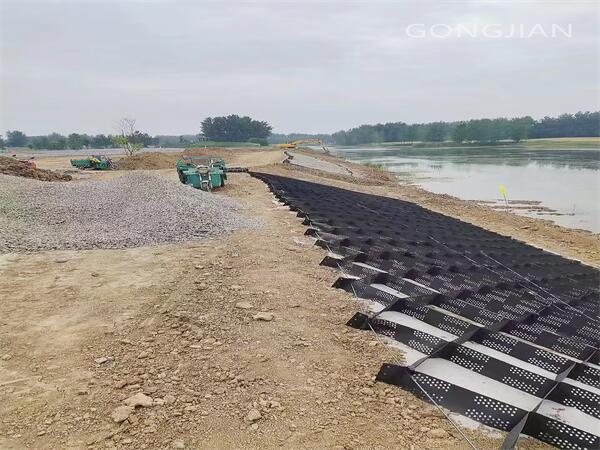
A Geocell is a three-dimensional honeycomb-like structure that can be filled with soil, gravel, or other materials. Made from high-density polyethylene (HDPE) or other polymeric materials, geocells are designed to prevent soil erosion and provide stabilization for soil surfaces. Geocells are particularly useful in applications requiring load distribution, such as in the construction of roads, slopes, and foundations.
Key Features of Geocell:
3D Structure: The honeycomb structure of geocells allows for greater confinement of materials, which improves the strength and stability of the soil.
Erosion Control: Geocells help prevent erosion by stabilizing soil in areas with high water runoff or steep slopes.
Versatility: Geocells can be filled with a variety of materials like sand, gravel, or other aggregates, depending on the specific project requirements.
Geogrid vs. Geocell: Key Differences
While both Geogrid and Geocell are used for soil stabilization, they differ significantly in their design, functionality, and ideal applications. Here’s a comparison of their key differences:
1. Structural Design
Geogrids have a flat, two-dimensional structure with open apertures, making them ideal for soil reinforcement by allowing the soil particles to interlock within the grid. The design provides tensile strength, making geogrids effective for load-bearing applications such as roads and retaining walls.
Geocells, on the other hand, have a three-dimensional, cellular structure. This structure helps confine materials, creating a system that is ideal for erosion control, slope stabilization, and load distribution.
2. Applications
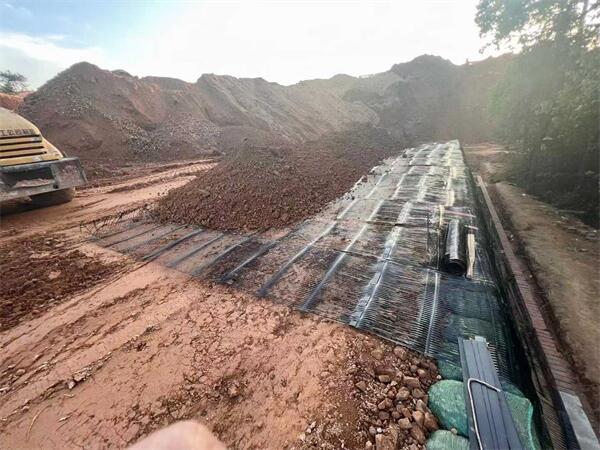
Geogrid: Primarily used for soil reinforcement and stabilization in applications such as road construction, retaining walls, reinforced slopes, and foundations. Its tensile strength makes it suitable for heavy-load-bearing situations.
Geocell: Geocells are used in applications that require soil confinement, erosion control, and load distribution. They are ideal for construction on weak soils, slope protection, road stabilization, and areas prone to erosion.
3. Load Distribution and Erosion Control
Geogrid: While geogrids help in reinforcing soil, they are not specifically designed for erosion control. They function primarily by providing tensile strength and stabilizing the soil under pressure.
Geocell: Geocells provide superior load distribution and erosion control. The three-dimensional structure confines the material, which helps in load-bearing applications while simultaneously preventing erosion due to water runoff.
4. Durability
Geogrids are typically more durable in high-tensile strength applications, such as roadways and retaining walls. Their material is resistant to UV degradation and chemical exposure, ensuring longevity under various environmental conditions.
Geocells are also highly durable, especially when made from HDPE or similar materials. They are resistant to UV rays, chemicals, and physical wear, making them suitable for long-term use in soil stabilization projects.
5. Installation
Geogrid installation requires careful placement to ensure the grid structure interlocks with the surrounding soil. The process can be quicker in some cases but may require careful anchoring for specific applications.
Geocell installation typically involves laying the geocell panels, expanding them, and filling them with the selected material. It may take more time compared to Geogrid, but the results are more effective in areas needing erosion control and material confinement.
Advantages and Disadvantages of Geogrid vs. Geocell
| Feature | Geogrid | Geocell |
|---|---|---|
| Tensile Strength | High tensile strength for load-bearing applications | Less tensile strength, but good for load distribution |
| Erosion Control | Limited erosion control capability | Excellent for erosion control and soil confinement |
| Installation | Easier installation for certain applications | More time-consuming installation due to material filling |
| Durability | Long-lasting in heavy-duty applications | Durable, especially in erosion-prone areas |
| Cost | Generally less expensive | Can be more costly due to material requirements |
Choosing Between Geogrid and Geocell
When deciding between Geogrid vs. Geocell, the choice depends largely on the project requirements. If you are focused on reinforcing soil to handle heavy loads, such as in road construction or retaining walls, a Geogrid may be the better option. On the other hand, if you are working in areas prone to erosion or need to stabilize loose soils, a Geocell would be more appropriate due to its superior soil confinement and erosion control capabilities.
Conclusion
In the Geogrid vs. Geocell comparison, both materials offer unique benefits depending on the needs of your project. Geogrid is ideal for reinforcing soil in heavy load-bearing applications, while Geocell excels in erosion control and soil confinement. Understanding the differences between these two geosynthetics is crucial for making the best choice for your construction needs.
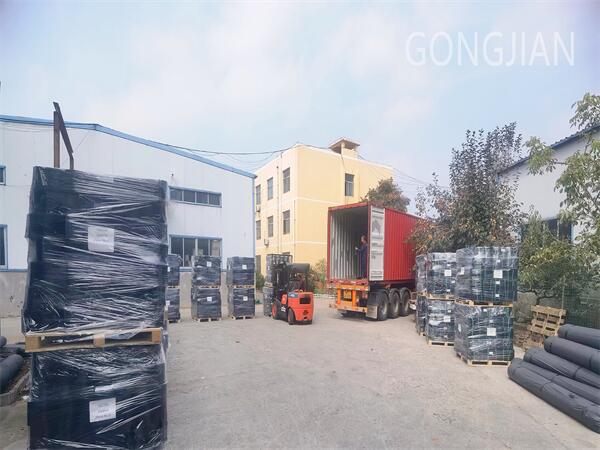
As a leading international exporter and manufacturer in the field, GONGJIAN provides top-quality geosynthetics, including Geogrid and Geocell, to meet your specific project requirements. With decades of experience and a commitment to excellence, GONGJIAN ensures reliable, durable, and cost-effective solutions for soil stabilization and geotechnical applications worldwide.


