

In road construction, geogrids have become one of the most essential materials for ensuring road stability and durability. By selecting the right geogrid type, you can significantly enhance soil bearing capacity, reduce road settlement and deformation, and extend the lifespan of the road. This article will guide you in choosing the proper geogrid type based on different road construction needs and highlight the professional expertise of GONGJIAN in this field.
What is a Geogrid and Why is it Important in Road Construction?
A geogrid is a geosynthetic material made from polymer materials that are woven or welded into a grid-like structure, designed to reinforce soil and increase its bearing capacity. In road construction, geogrids effectively distribute loads, preventing excessive settlement and deformation of the soil, thus improving the overall stability and durability of the road structure.
Geogrids are used in two key aspects of road construction:
Subgrade Reinforcement: Enhancing soil bearing capacity to prevent settlement and ensure stable foundation layers.
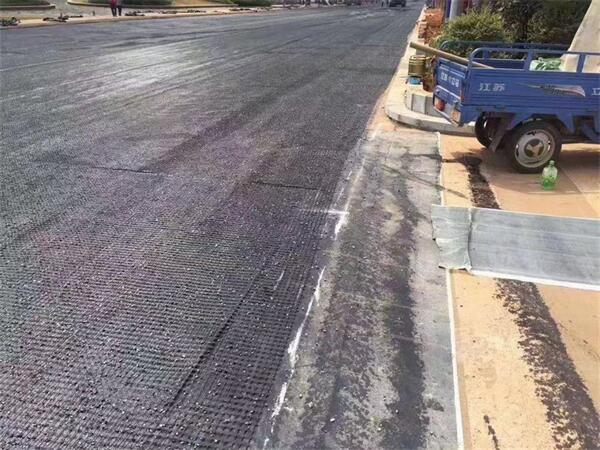
Pavement Reinforcement: Strengthening the pavement structure, reducing cracking, enhancing fatigue resistance, and prolonging the road’s lifespan.
Common Geogrid Types and Their Applications
Depending on the construction requirements, geogrids are available in various types. These geogrid types can be categorized based on direction and material.
1. Geogrid Types Based on Direction:
●Uniaxial Geogrid:uniaxial geogrids have high tensile strength in one direction, making them ideal for road construction projects where the load primarily acts in one direction. They are highly effective in strengthening the subgrade layer of roads, preventing excessive settlement of the foundation.
Applications: Suitable for subgrade reinforcement, particularly for roads with light traffic, parking lots, and slope protection.
Advantages: Enhances road stability and prevents rutting.
●Biaxial Geogrid:biaxial geogrids offer equal tensile strength in both directions and are designed for projects where load distribution is more uniform. These geogrids are used in high-traffic roads, highways, or roads under heavy loads.
Applications: Ideal for projects requiring higher load distribution, such as highways and heavy-duty roads.
Advantages: Improved load distribution, enhancing long-term road stability.
2. Geogrid Types Based on Material:
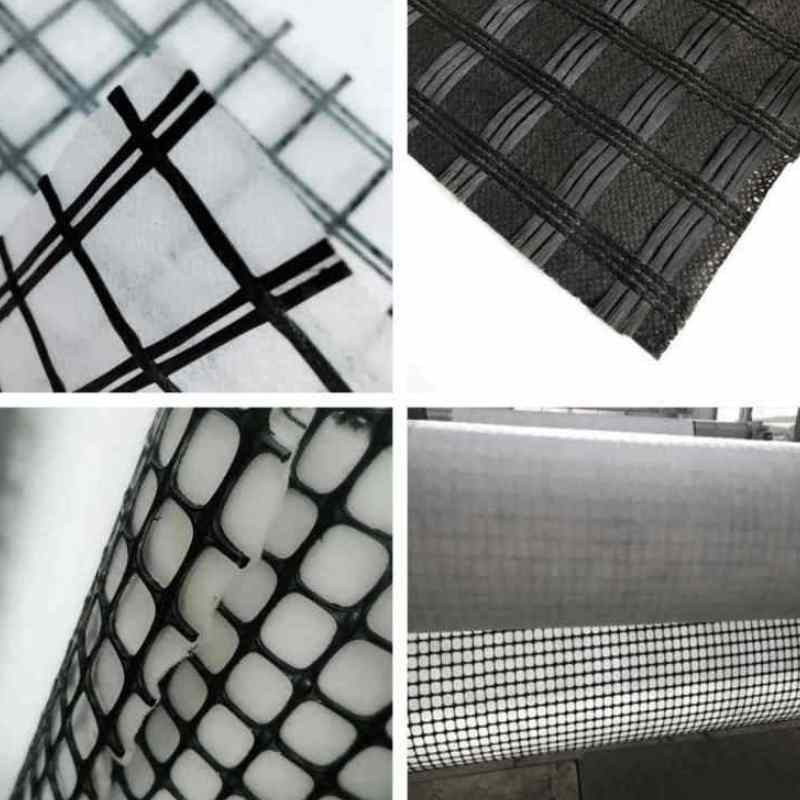
●Fiberglass Geogrid:Fiberglass geogrids are made from high-strength fiberglass, providing excellent tensile strength, resistance to temperature fluctuations, and fatigue performance. These geogrids are mainly used for pavement reinforcement to prevent cracks caused by temperature changes and traffic loads.
Applications: Primarily used for asphalt pavement reinforcement, airport runways, and high-traffic roads.
Advantages: Reduces pavement cracking, extends pavement lifespan, and improves load-bearing capacity.
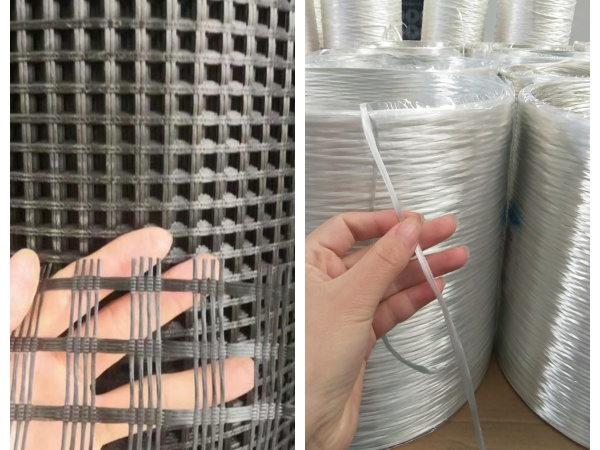
●Polyester Geogrid:Polyester geogrids offer high tensile strength and good chemical resistance, making them suitable for projects in chemically demanding environments. They effectively enhance the stability of subgrade and base layers in road construction.
Applications: Suitable for road projects in chemically aggressive areas, such as industrial zones and mining roads.
Advantages: High chemical resistance, adaptable to harsh environments.
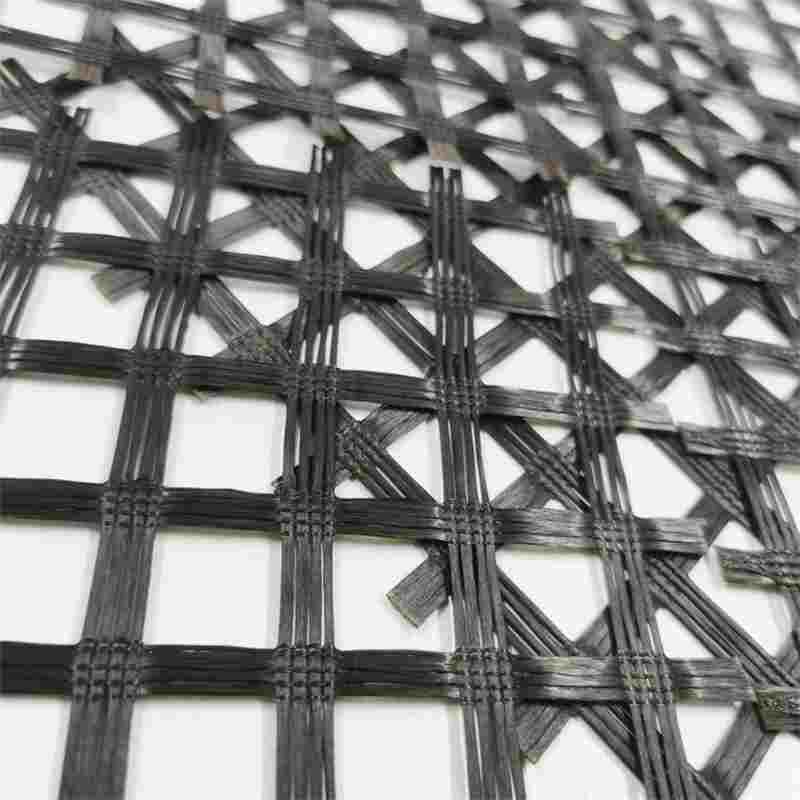
●Plastic Geogrid:Plastic geogrids are typically made from polyethylene or polypropylene, known for their excellent corrosion resistance and strength. These geogrids are widely used in various road construction projects. They are effective for reinforcing soft soil areas and preventing deformation.
Applications: Ideal for a variety of road projects, especially in soft soil or expansive soil areas.
Advantages: Corrosion-resistant, versatile, and cost-effective.
●Composite Geogrid:Composite geogrids combine geogrid technology with other geosynthetics, such as geotextiles or drainage boards. These geogrids serve dual purposes of reinforcement and drainage, making them suitable for projects where both functions are essential.
Applications: Commonly used for subgrade reinforcement in soft soil areas, especially in projects where drainage is critical.
Advantages: Multifunctional, enhances overall project efficiency, reduces material costs.
How to Choose the Right Geogrid Type for Your Project?
When selecting a geogrid type for your road construction project, consider several factors:
Project Requirements: Determine if your project requires subgrade reinforcement, pavement reinforcement, or both. For example, subgrade reinforcement typically requires uniaxial or biaxial geogrids, while pavement reinforcement is best achieved with fiberglass geogrids.
Soil Conditions: The stability, moisture, and expansion characteristics of the soil affect the choice of geogrid type. For soft or expansive soils, uniaxial or biaxial plastic geogrids may be more suitable.
Environmental Conditions: If the road project is located in an area with harsh chemical environments or temperature fluctuations, choose a geogrid type that offers resistance to chemicals or temperature, such as polyester geogrids or fiberglass geogrids.
Load Requirements: For roads with high traffic or heavy loads, uniaxial geogrids provide superior load distribution and ensure long-term stability of the road structure.
GONGJIAN – Your Trusted Geogrid Manufacturer and Exporter
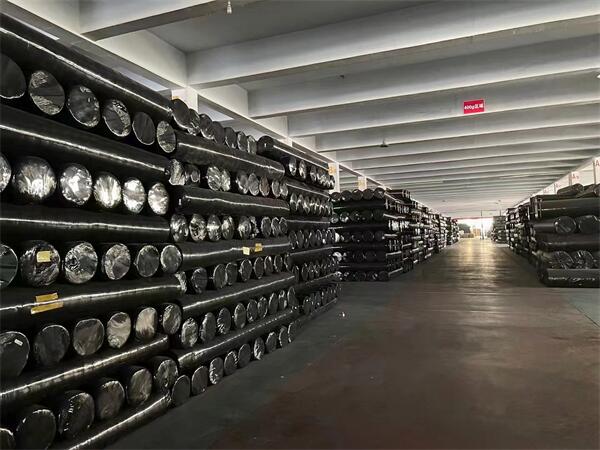
As a leading global manufacturer of geosynthetic materials, GONGJIAN specializes in providing high-performance, high-quality geogrids. Our product range includes unidirectional geogrids, bidirectional geogrids, fiberglass geogrids, polyester geogrids, plastic geogrids, and composite geogrids, all widely used in road construction projects. With years of industry experience, we offer innovative geogrid products to global clients, ensuring long-term stability and efficiency in road construction.
Conclusion
Choosing the right geogrid type for your road construction project is critical to ensuring the success and longevity of the road. By considering the project requirements, soil conditions, environmental factors, and load needs, you can select the most suitable geogrid type to ensure road stability and durability. GONGJIAN is your ideal partner in road reinforcement, providing innovative and reliable geogrid products to help your road project succeed.


