

In modern road construction, the subgrade serves as the foundation for the entire road structure. Its stability and load-bearing capacity directly affect the road's lifespan and driving safety. To enhance subgrade performance, engineers continuously explore and apply new materials and technologies. Geogrids, as an efficient geosynthetic material, play a crucial role in subgrade reinforcement. This article delves into the use of geogrids for subgrade reinforcement from various perspectives, including their functions, value, types, selection, installation considerations, and more.
Functions and Value of Geogrids for Subgrade Reinforcement
Functions
Enhancing Load-Bearing Capacity:
Geogrids, with their high-strength mesh structure, effectively distribute the load on the subgrade, improving overall load-bearing capacity and reducing settlement and deformation caused by excessive vehicle loads.
Improving Subgrade Stability:
The mesh structure of geogrids constrains lateral displacement of the soil,enhancing the integrity and stability of the soil mass, and preventing landslides or collapses due to external factors.
Facilitating Drainage:
The mesh structure of geogrids offers good permeability, allowing for rapid drainage of water from the subgrade, reducing soil moisture and pore water pressure, and maintaining the stability of the subgrade.
Value
Extending Road Lifespan:
By enhancing the load-bearing capacity and stability of the subgrade, geogrids help reduce maintenance and repair costs, thereby extending the road's lifespan.
Increasing Driving Safety:
A stable subgrade ensures smooth operation of the road under adverse weather and heavy traffic conditions,reducing the likelihood of accidents and improving driving safety.
Promoting Resource Conservation and Environmental Protection:
Compared to traditional subgrade reinforcement methods, geogrids offer advantages such as low material cost, easy installation, and short construction time, helping conserve resources and reduce environmental impact.
Types of Geogrids for Subgrade Reinforcement
Plastic Geogrids:
Features: Lightweight, high-strength, corrosion-resistant, easy to process and install.
Applications: Suitable for general subgrade reinforcement projects, especially where weight and cost are critical.
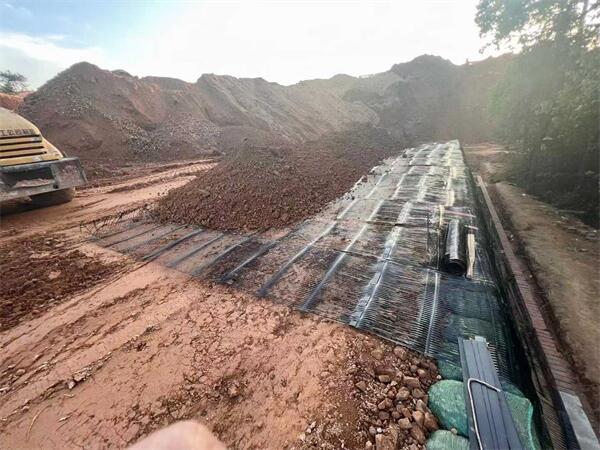
Features: Extremely high load-bearing capacity, good durability, suitable for complex geological conditions.
Applications: Suitable for heavy-load traffic, high fills, and weak foundations requiring high load capacity and durability.
Features: High strength, corrosion-resistant, environmentally friendly.
Applications: Suitable for moist, rainy, or chemically active soil environments, and projects with high environmental requirements.
Choosing Types and Specifications
Analyze Project Needs:
Identify specific requirements for subgrade reinforcement, including load-bearing capacity, stability, and construction conditions.
Compare Material Properties:
Evaluate the performance characteristics of different types of geogrids based on project needs to select the most suitable material.
Determine Specifications:
Select geogrid types and specifications based on the project's dimensions, load requirements, and other factors.
Consider Cost-Effectiveness:
Choose a geogrid that meets project needs while considering material and construction costs to ensure economic feasibility.
Installation Considerations
Preparation:
Before installation, clean and level the subgrade to ensure that the geogrids can be laid flat and adhere closely to the soil.
Laying and Securing:
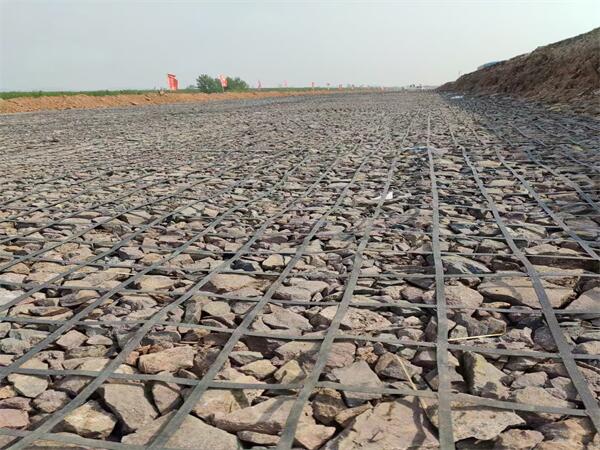
Install geogrids according to design requirements, using anchors or stakes to secure them to the subgrade and prevent displacement during construction.
Backfilling and Compaction:
After laying the geogrids, promptly backfill with soil and compact in layers to ensure a firm connection between the soil and geogrid, forming a stable reinforced composite.
Quality Inspection:
Regularly check the quality of geogrid installation during construction to ensure it meets design specifications and project requirements.
Post-Construction Maintenance:
After installation, conduct regular maintenance and inspections to identify and address potential issues, ensuring long-term stability of the subgrade.
Post-Construction Maintenance and Monitoring
Maintenance
Regular Inspections:
Establish a routine inspection system for the subgrade, including checking the geogrid and surrounding soil to assess overall stability and integrity. Adjust inspection frequency based on road usage and environmental conditions, with at least one comprehensive check per year.
Maintenance Records:
Keep detailed records of each inspection, including discovered issues, maintenance actions taken, and their effectiveness. These records are crucial for future maintenance decisions and project evaluations.
Timely Repairs:
Address any damage or deformation of the geogrid or surrounding soil immediately to prevent the problem from worsening and affecting the overall stability of the subgrade.
Monitoring Technologies
Settlement Monitoring:
Use settlement observation points or automated monitoring devices to regularly track subgrade settlement.
Comparing settlement data over time helps assess stability changes and identify potential issues early.
Stress-Strain Monitoring:
Install stress-strain sensors at key locations to monitor the stress and strain states of the geogrid and surrounding soil in real-time. This data aids in understanding the geogrid's performance and effects, providing a basis for design optimization and maintenance strategies.
Environmental Parameter Monitoring:
Set up monitoring stations for environmental factors such as rainfall and temperature changes, as these can impact subgrade stability. Monitoring these parameters helps evaluate their effect on stability and informs necessary countermeasures.
Case Studies and Future Prospects
Case Studies
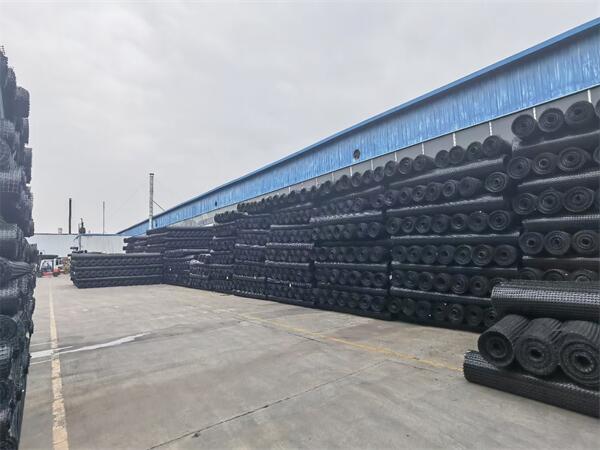
Reviewing completed domestic and international projects can validate the effectiveness and value of geogrids in subgrade reinforcement. These case studies, including highways, railways, and airport runways, demonstrate the performance improvements achieved with geogrids.
Future Prospects
As traffic infrastructure development and technology advance, the application of geogrids for subgrade reinforcement will become even more promising. With continued advancements in material science, construction techniques, and monitoring technologies, geogrids will offer improved performance, higher efficiency, and smarter monitoring solutions. This will provide more reliable, efficient, and environmentally friendly solutions for road construction, promoting sustainable development in transportation infrastructure.
In summary, geogrids, as an efficient geosynthetic material, exhibit excellent performance and broad application prospects in subgrade reinforcement. By carefully selecting types and specifications, following scientific installation practices, and implementing regular maintenance and effective monitoring, geogrids can significantly enhance subgrade load-bearing capacity and stability, extend road lifespan, and improve driving safety. With ongoing technological advancements and expanding applications, geogrids will play an increasingly important role in subgrade reinforcement.


