

HDPE Plastic Geocell
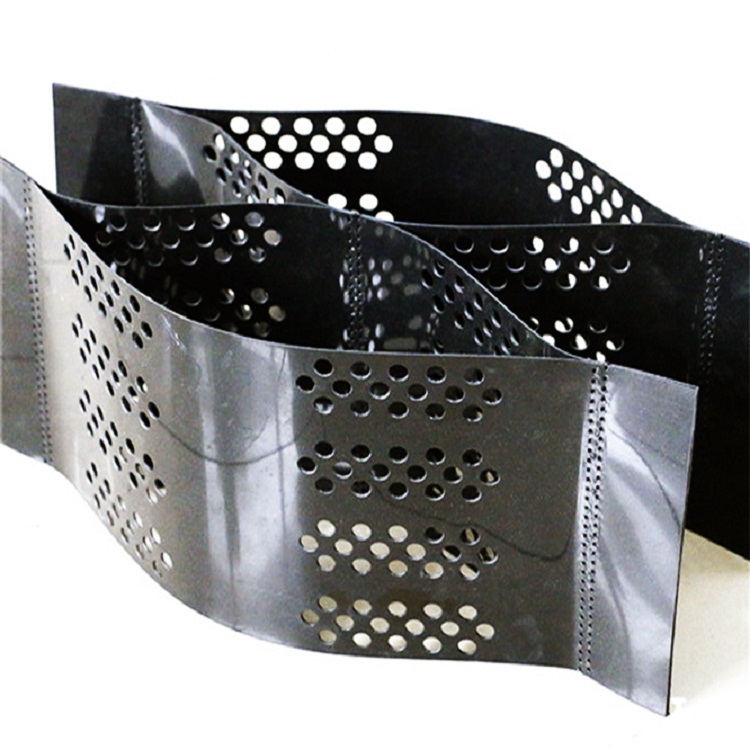
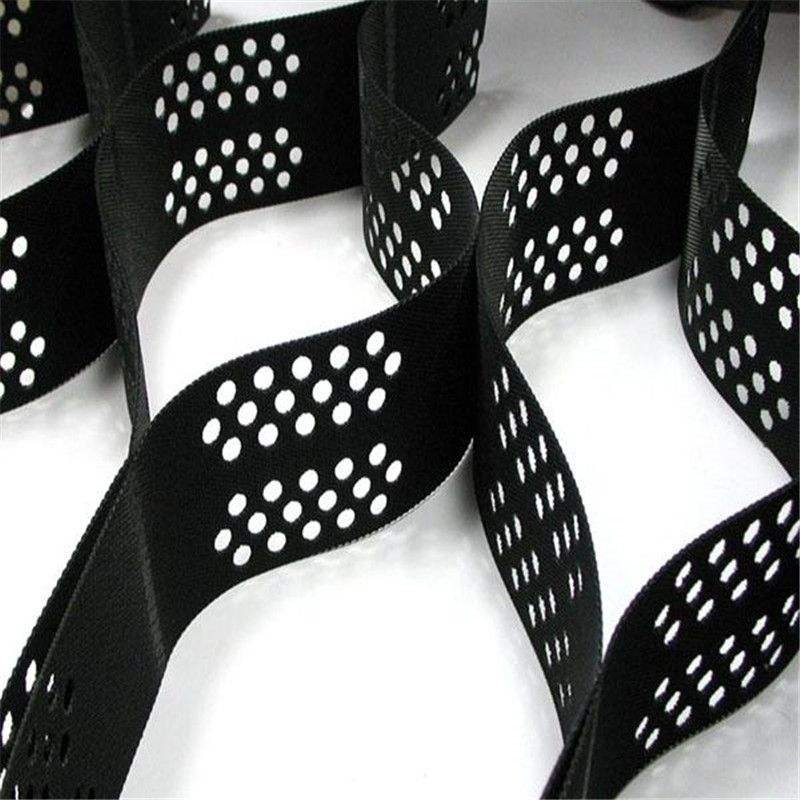
The HDPE plastic geocell is a widely popular and reliable high-strength geosynthetic material globally. It is made from reinforced HDPE (polyethylene) sheets that are ultrasonically welded into a three-dimensional grid system. Once expanded and secured, soil, gravel, and other aggregates can be filled within the geocell. The infill, combined with the geocell, forms a protective reinforcement layer, significantly enhancing construction efficiency and reducing costs.At the end of the article, a table of product specifications and performance parameters is attached.
Uses of Plastic Geocells:
Characteristics of HDPE Plastic Geocells:
Lightweight and easily expandable; can be folded for convenient and cost-effective transport.
Chemically stable, resistant to aging and corrosion, suitable for various soil types.
Adjustable height, thickness, and welding distance to meet different engineering needs.
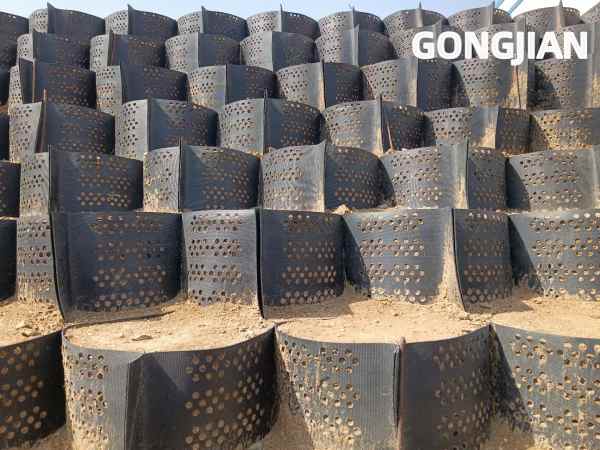
Textured sheets increase friction with soil; perforations allow water drainage, preventing excess moisture retention.
Provides lateral support during roadbed reinforcement, preventing soil from sliding under stress.
When used for slope greening, it prevents erosion, creating an integrated system with soil and vegetation.
High strength and modulus create a flexible structure that distributes concentrated loads, improving soil strength and stiffness while reducing deformation.
Factors Influencing HDPE Plastic Geocell Pricing:
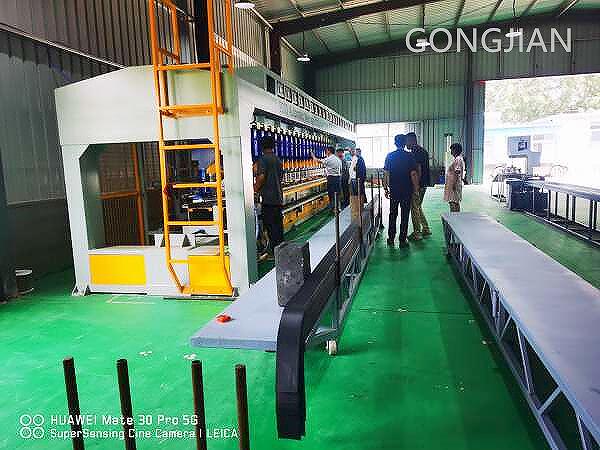
The price of hdpe geocells is affected by several factors, primarily sheet thickness, strength, height, and welding point distance. Here’s a brief overview:
Sheet Thickness: Thicker sheets lead to higher costs; typical thickness ranges from 1.0 to 1.5 mm.
Sheet Strength: Higher strength usually comes from premium raw materials, resulting in a higher price; recycled materials may lower costs but can affect strength.
Sheet Height: Increased height generally raises costs due to more material used.
Welding Point Distance: Denser welding points increase complexity and price; wider spacing lowers costs.
Packaging and Transportation of HDPE Plastic Geocells:
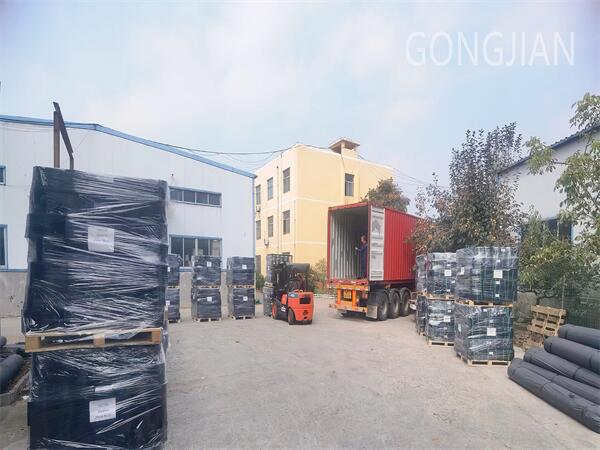
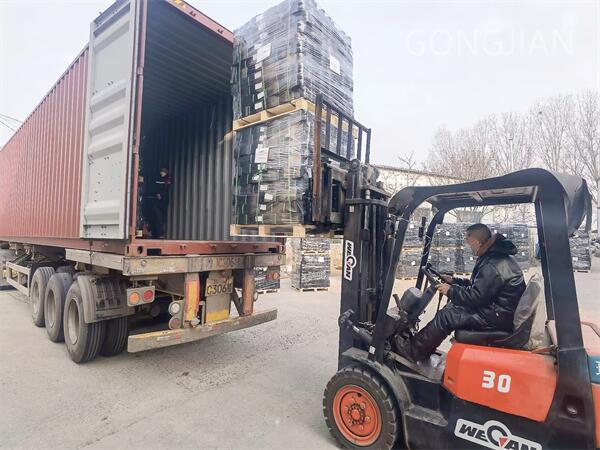
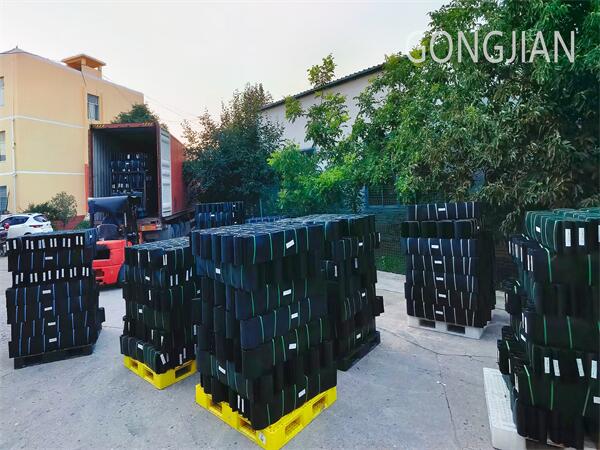
Geocells are packaged in units, bundled tightly with plastic straps for transport. Multiple bundles may be packaged together for convenience, with arrangements flexible based on mutual agreement.
Care must be taken during loading and transport to avoid heavy pressure and sharp tools to prevent damage. Exposure to direct sunlight during transport should be avoided.
Geocells should be stored indoors, away from heat sources and direct sunlight.
Construction Considerations for Geocells:
Selection of Geocell Height and Welding:
For slopes between 1:6 and 1:3, use a height above 75 mm.
For slopes between 1:3 and 1:1.75, a height above 100 mm is suitable.
For slopes greater than 1:1.75, a height of over 150 mm is advisable.
For slopes less than 1:1.75, use a welding distance of less than 712 mm; for slope greater than 1:1.75, less than 445 mm.
For slopes less than 1:6, a height of over 50 mm is recommended.
Geocells must be anchored at the top of the slope with bolts and caps.
Depending on conditions, anchors or reinforcement bands may be used along the slope.
Hollow anchors should have a diameter of over 1.5 cm.
Solid anchors or rebar can range from 1.0 cm to 1.5 cm in diameter.
Anchor length should be no less than 50 cm.
For landscaping with geocells, choose grass varieties suitable for local growth.
The fill height should not exceed 0.5 m.
Auxiliary Materials for Securing Geocells on Slopes:
Selection of Anchor Bolts:
Greening with Local Grass Species:
Filling Material Height:
Global Production Capacity and Prospects:
Market Overview:
In recent years, demand for geocells has steadily increased alongside global infrastructure development and advancements in civil engineering technology. Market research indicates continued robust growth in the geocell market for the coming years.
Production Capacity:
Currently, geocell production is concentrated in Asia, Europe, and North America. China stands as one of the largest producers and exporters, leading in both capacity and technology. Europe and North America also host numerous reputable geocell manufacturers and RD institutions, providing high-quality products and technical support.
Future Outlook:
As global infrastructure development and civil engineering innovations continue, the application fields for plastic geocells are expected to expand further. Particularly in road construction, the rising demand for quality, safety, and durability will enhance the role of geocells. With increasing environmental awareness and sustainable development concepts, eco-friendly geocells are set to become mainstream. Moreover, advancements in technology and production processes will further improve plastic geocell performance while reducing costs, enabling broader applications.
HDPE Geocell Specifications:
| Product Type | Height(mm) | Welding Distance(mm) | Thickness(mm) | Tensile Strength of Welding Points(N/cm) | Tensile Strength of Connection of Cells(N/cm) | Tensile Strength at Yield of Each Sheet(MPa) |
|---|---|---|---|---|---|---|
| Smooth and Not Perforated | 50≤H≤250 | 330≤A≤1000 | 1.0~1.4 | ≥100 | ≥120 | ≥20 |
| Smooth and Perforated | 50≤H≤250 | 330≤A≤1000 | 1.0~1.4 | ≥100 | ≥120 | ≥20 |
| Textured and Not Perforated | 50≤H≤250 | 330≤A≤1000 | 1.5~1.7 | ≥100 | ≥120 | ≥20 |
| Textured and Perforated | 50≤H≤250 | 330≤A≤1000 | 1.5~1.7 | ≥100 | ≥120 | ≥20 |
| Remarks:1. This is a basic technical specification. 2. All of the technical indexes can be reached according to the customers’ demand, and the other special standards will be carried out by agreement or contact. | ||||||
Conclusion:
As the demand for durable, cost-effective, and environmentally-friendly construction solutions continues to grow, HDPE plastic geocells are poised to play an even greater role in global infrastructure projects. Whether you are looking to strengthen roadbeds, prevent erosion, or stabilize slopes, geocells offer a versatile, high-performance solution.