

Geomembrane vs. GCL (Geosynthetic Clay Liner):A Comprehensive Comparison Between HDPE Geomembrane and GCL
When it comes to geosynthetic materials used in civil engineering and environmental protection, two common options for providing effective barriers against water and contamination are hdpe geomembranes and Geosynthetic Clay Liners (GCLs). While both materials serve similar purposes, they differ significantly in terms of structure, application, cost, and performance. This article will delve into the key differences between geomembranes and GCLs, helping you understand which product might be best suited for your project needs.
What is a Geomembrane?
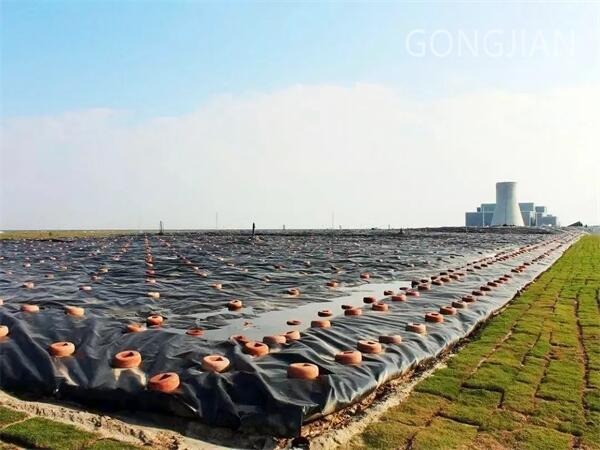
A hdpe geomembrane is a synthetic membrane used primarily for waterproofing, containment, and isolation purposes. It is made from a variety of materials, The main component is polyethylene (HDPE). These materials are selected for their excellent resistance to chemical and environmental stressors, including UV radiation, temperature fluctuations, and biological degradation.
Geomembranes are typically thin (ranging from 0.2mm to 3mm) and feature high tensile strength, making them ideal for applications such as:
Landfill liners to prevent leachate from contaminating the environment
Water containment structures like ponds, reservoirs, and canals
Mining and industrial applications to prevent toxic runoff
Aquaculture applications to create safe environments for fish farming
Key Advantages of HDPE Geomembranes:
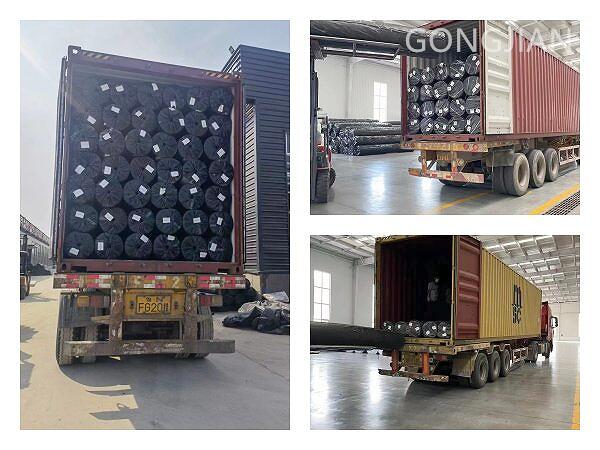
Cost-effective transportation: Due to their smaller volume and lighter weight, geomembranes are easier and more cost-efficient to transport, which contributes to their popularity in international trade.
Versatility: Geomembranes are available in various thicknesses and are highly customizable to meet specific project requirements.
Durability: With excellent resistance to chemicals, UV exposure, and extreme temperatures, geomembranes provide long-term performance.
What is a Geosynthetic Clay Liner (GCL)?
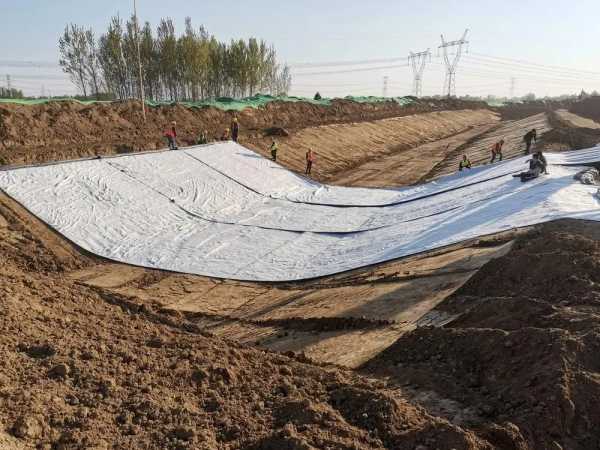
A Geosynthetic Clay Liner (GCL) is a composite geosynthetic material that combines a layer of sodium bentonite clay with a geotextile fabric. The clay is tightly encapsulated between two geotextile layers, providing an impermeable barrier that can effectively prevent the migration of fluids, including water, chemicals, and leachates. GCLs are typically used as liners in landfills, ponds, and other containment systems where water and contaminant control is critical.
Key Characteristics of GCLs:
Natural clay-based impermeability: The sodium bentonite clay swells when wet, forming an effective barrier that prevents water infiltration.
Self-healing properties: GCLs can self-heal when punctured or damaged, as the clay expands to seal off the hole.
Thicker than geomembranes: GCLs generally have a thickness ranging from 6mm to 12mm, making them bulkier than geomembranes.
Typically used in conjunction with other materials: GCLs are often combined with geomembranes or other geosynthetics for enhanced performance in specific applications.
Key Advantages of GCLs:
Superior barrier properties: The clay in GCLs provides an excellent barrier to liquids, making them ideal for applications where groundwater contamination must be prevented.
Easy installation: GCLs are relatively easy to install, as they come in large rolls that can be unrolled and laid out with minimal effort.
Cost-effective for smaller projects: GCLs are often more cost-effective than geomembranes in specific applications, especially when thickness and weight are less critical.
HDPE Geomembrane vs. GCL: Key Differences
| Feature | Geomembrane | GCL (Geosynthetic Clay Liner) |
|---|---|---|
| Material Composition | Synthetic polymers (HDPE, PVC) | Sodium bentonite clay + geotextiles |
| Thickness | Typically 0.5mm to 3mm | Typically 6mm to 12mm |
| Permeability | Extremely low, but dependent on material | Low, but primarily due to clay swelling |
| Durability | High durability in harsh conditions | Durability depends on clay and geotextile properties |
| Transport & Handling | Lightweight, easier to transport | Heavier, more cumbersome to handle |
| Self-healing | No self-healing properties | Can self-heal when punctured |
| Cost | More cost-effective for large-scale projects | More cost-effective for smaller, specialized projects |
| Installation | Requires welding or seaming | Simple unrolling and laying out |
Why HDPE Geomembranes are More Popular in International Trade
One of the major reasons that hdpe geomembranes are more widely used and have a greater market share than GCLs is the transportation cost. Since hdpe geomembranes are lighter and more compact, they are significantly cheaper to ship internationally. In contrast, GCLs are bulkier and heavier, which increases their transportation costs, especially for long-distance shipping. This makes geomembranes a more attractive option for large-scale infrastructure projects where cost-effectiveness and ease of transport are key considerations.
Furthermore, geomembranes can cover a larger area with less material, making them ideal for projects where the application area is vast, such as landfills or large ponds. Their versatility, ease of installation, and ability to perform under extreme conditions make geomembranes the go-to option for many international projects.
Conclusion: Which is Right for Your Project?
When choosing between geomembranes and GCLs for your project, the decision ultimately depends on the specific requirements of the application. If you need a flexible, durable, and cost-effective solution for large-scale containment, geomembranes are likely the better option. They are ideal for projects requiring high tensile strength, long-term performance, and ease of transport.
On the other hand, if you are working on a project where self-healing, natural impermeability are paramount, a GCL might be the ideal solution.
Geomembranes are more commonly used for larger and more complex projects due to their lower transportation costs and superior versatility. GCLs can be a good choice for smaller-scale applications where the natural properties of clay are needed for leak prevention.
Ultimately, both geomembranes and GCLs play crucial roles in environmental protection and civil engineering projects, and understanding the benefits and limitations of each will help ensure you choose the best solution for your needs.


