

Fiberglass Geogrid vs Polyester Geogrid(Difference Between Fiberglass Geogrid and Polyester Geogrid)
In the field of civil engineering and road construction, geogrids play a pivotal role in soil reinforcement and pavement stabilization. Among the many types, fiberglass geogrids and polyester geogrids are two of the most commonly used materials.Fiberglass geogrid and polyester geogrid have similar appearances, but what are the differences between fiberglass geogrid and polyester geogrid?Both have distinct properties and are tailored to specific applications, but choosing the right one depends on understanding their differences. This article provides an in-depth comparison to help international buyers make informed decisions.
GONGJIAN is a trusted and industry-leading supplier of high-quality geogrids, offering tailored solutions for global buyers. Whether you require fiberglass geogrids or polyester geogrids, GONGJIAN ensures top-tier performance and reliability for your projects.
Fiberglass Geogrid
Material and Composition
Fiberglass geogrids are made from glass fiber filaments coated with bitumen or other protective materials. This composition ensures durability and resistance to environmental factors.
Key Characteristics
High Tensile Strength: Fiberglass geogrids provide excellent tensile strength, particularly in the horizontal direction, making them ideal for stabilizing asphalt layers.
Low Elongation: The rigidity of fiberglass ensures minimal elongation under stress, providing reliable reinforcement.
Temperature Resistance: Fiberglass geogrids perform well under high temperatures, preventing pavement cracking due to thermal expansion.
Applications
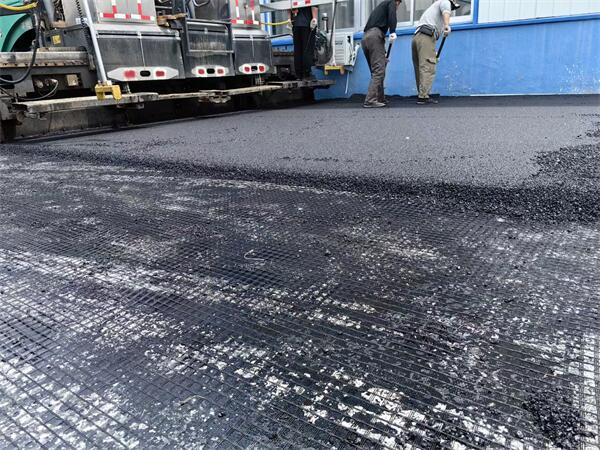
Asphalt Reinforcement: Used in road construction to prevent reflective cracking and extend pavement life.
Soil Stabilization: Provides structural support in soft soils to enhance load distribution.
Airport Runways and Parking Lots: Ideal for applications requiring high durability and temperature resistance.
GONGJIAN offers advanced fiberglass geogrids tailored to these critical applications, ensuring long-lasting performance in demanding environments.
Polyester Geogrid
Material and Composition
Polyester geogrids are manufactured from high-strength polyester fibers and are typically coated with a protective layer to enhance durability.
Key Characteristics
High Flexibility: Polyester geogrids are more flexible than fiberglass, allowing them to adapt to varying soil conditions.
Excellent Tensile Strength: They offer robust reinforcement for applications requiring strong soil interaction.
High Resistance to Creep: Polyester geogrids maintain stability under sustained loads, making them suitable for long-term projects.
Applications
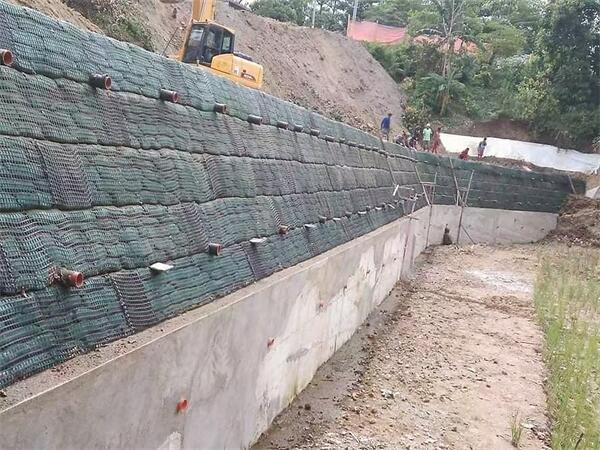
Retaining Walls: Used for reinforcing retaining walls and steep slopes.
Embankment Construction: Ideal for supporting embankments on weak soils.
Erosion Control: Provides reinforcement in areas prone to erosion.
Railway Subgrades: Enhances stability and load distribution for railway tracks.
GONGJIAN’s polyester geogrids are engineered for these applications, delivering optimal performance and cost-efficiency for global buyers.
Fiberglass Geogrid vs Polyester Geogrid: Key Differences
| Property | Fiberglass Geogrid | Polyester Geogrid |
|---|---|---|
| Material | Glass fiber filaments | Polyester fibers |
| Tensile Strength | Excellent, especially in horizontal direction | Excellent, with high adaptability |
| Elongation | Minimal (rigid structure) | Moderate (flexible structure) |
| Temperature Resistance | High | Moderate |
| Creep Resistance | Good | Excellent |
| Applications | Asphalt reinforcement, roads | Soil stabilization, retaining walls |
| Cost | More cost-effective | Typically higher |
By comparing fiberglass geogrids and polyester geogrids, international buyers can select the most suitable material for their specific project requirements. Both options are excellent, but their strengths vary based on the application.
How to Choose Between Fiberglass and Polyester Geogrids
When selecting geogrids, consider the following factors:
Project Requirements:
For asphalt reinforcement and high-temperature stability, fiberglass geogrids are superior.
For soil reinforcement and flexibility, polyester geogrids are the better choice.
Environmental Conditions: Evaluate chemical exposure, temperature fluctuations, and soil type.
Budget: Polyester geogrids may involve higher upfront costs but offer exceptional durability. Fiberglass geogrids are often more economical for broader applications.
Longevity Needs: For projects requiring long-term stability, polyester geogrids excel due to their creep resistance.
GONGJIAN’s experienced team assists international buyers in making these decisions, offering expert advice and customized solutions based on specific project needs.
Why Choose GONGJIAN for Your Geogrid Supply?
GONGJIAN is a globally recognized supplier and manufacturer of geosynthetics, specializing in high-quality fiberglass and polyester geogrids. With advanced production capabilities and stringent quality control, GONGJIAN ensures that every product meets international standards.
Conclusion
In the debate of fiberglass geogrid vs polyester geogrid, both options are indispensable in modern construction. Fiberglass geogrids excel in asphalt reinforcement and high-temperature scenarios, while polyester geogrids shine in soil stabilization and erosion control projects. By understanding the difference between fiberglass geogrid and polyester geogrid, international buyers can make informed choices tailored to their project goals.
With GONGJIAN as your geogrid supplier, you gain access to cutting-edge products and unparalleled expertise. Contact GONGJIAN today for customized solutions and premium geogrid products that deliver exceptional results across the globe.


