
Plastic Biaxial Geogrid
As a supplier, manufacturer, and exporter of biaxial polypropylene geogrid,we aim to provide a thorough guide to polyester geogrids,We strive to provide a comprehensive, dictionary-like introduction to plastic biaxial geogrids, ensuring that customers can easily access detailed information and make well-informed decisions. This article is designed to be an essential resource for those seeking a deep understanding of this critical engineering material. Whether you are a buyer, industry professional, or project manager, you will find valuable insights into the production process,industry standards for products, advantages, and selection criteria of plastic biaxial geogrids.
Quick Navigation: Jump to the sections you care about!
Production Process of Plastic Biaxial Geogrid
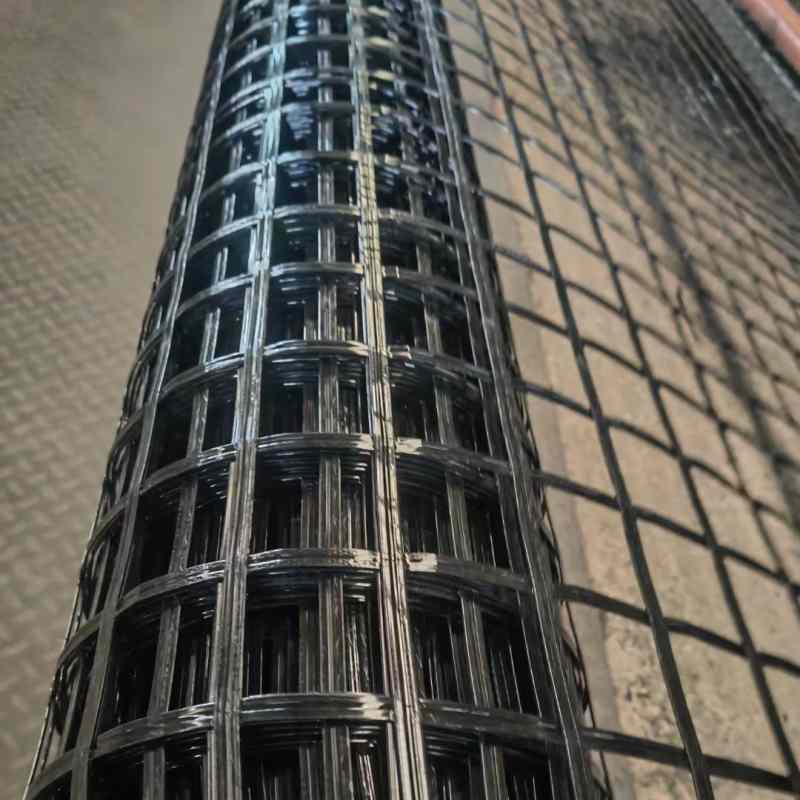
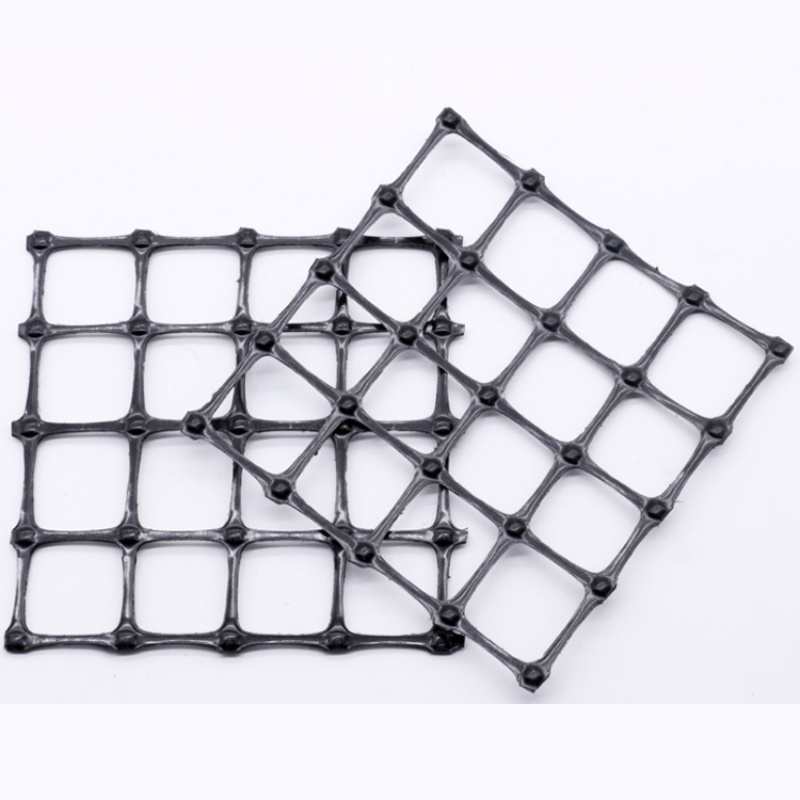
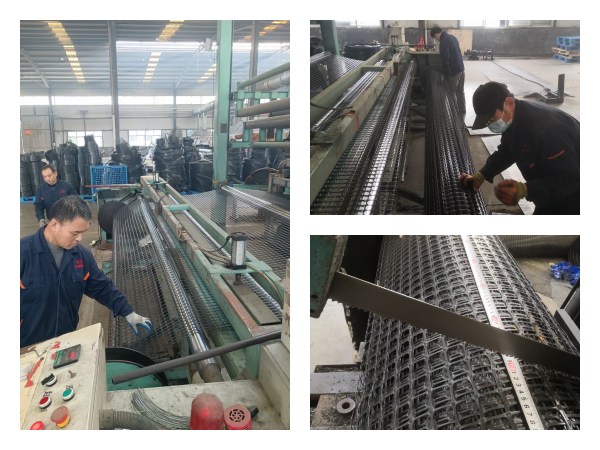
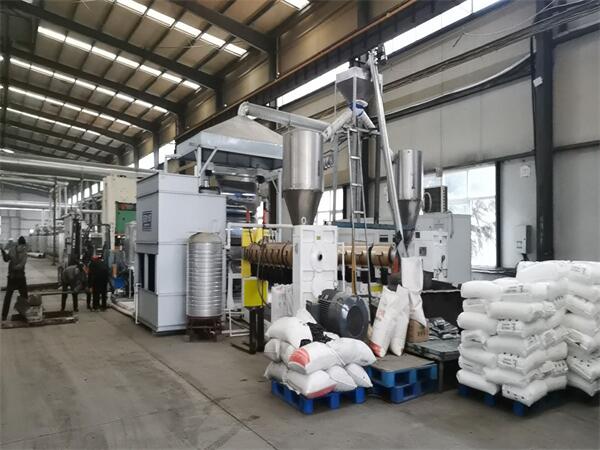
Plastic biaxial geogrid is a type of geogrid made from polypropylene (PP) as the primary raw material. It includes anti-ultraviolet additives and other agents. The production involves extruding sheets, punching, and stretching in both longitudinal and transverse directions. The specific production process is as follows: polypropylene (PP) is extruded to create a continuous sheet, which is then regularly punched. The punched sheet is heated and biaxially stretched, and finally wound to produce the finished plastic biaxial geogrid.
Product Advantages of Plastic Biaxial Geogrid
The plastic biaxial polypropylene geogrid has excellent overall integrity. The node strength exceeds 90% of the strength of reinforcement bars, with no occurrence of welding or sliding damage at the intersection nodes. The material maintains uniform performance without degradation from surface coating damage. Additionally, plastic biaxial geogrids exhibit high rigidity, including superior planar and torsional stiffness, high tensile modulus at low strain, and a high opening area ratio. These characteristics ensure good embedment and stress diffusion properties, minimal deformation of reinforcement materials, and excellent reinforcement performance. The inclusion of anti-ultraviolet and anti-aging additives in the material endows the plastic biaxial geogrid with outstanding durability and resistance to weathering, thermal oxygen aging, acid and alkali, and microbial attack.
Moreover, the stretching process of plastic biaxial pp geogrids reorients and arranges previously scattered molecular chains, segments, or microcrystals along the stretching direction. This significantly increases the material's tensile strength while markedly reducing tensile strain and creep strain, thus enhancing the mechanical properties of the material.
Key Features of Biaxial Plastic Geogrids
*High Strength and Stiffness
The main characteristics of biaxial plastic geogrids are their high strength and stiffness. These properties allow the geogrids to provide exceptional reinforcement in soil, significantly improving soil bearing capacity and effectively distributing and transferring loads.
* Excellent Corrosion Resistance
Due to their material properties, biaxial plastic geogrids offer excellent corrosion resistance. They can withstand common chemicals found in soil and resist corrosion in moist environments, ensuring long-lasting performance even in harsh conditions.
*Good Durability
Made from plastic materials, geogrids have a long service life. They can endure long-term mechanical stress and environmental factors without showing significant performance degradation due to environmental changes.
*Outstanding Tensile Strength
Biaxial plastic geogrids exhibit good tensile strength in both the longitudinal and transverse directions. This bidirectional tensile capability allows them to better adapt to different soil conditions and load variations during construction.
Selection Guide
When choosing plastic biaxial geogrids, consider the following aspects:
*Product Quality
Select products manufactured by reputable companies to ensure that the geogrids meet relevant standards and specifications.
*Product Specifications
Choose the appropriate mesh size, tensile strength, and other parameters based on the specific needs of your project.
*Price Factors
Compare the prices of different manufacturers and products while ensuring product quality. Opt for products that offer the best value for money.
Plastic Stretched Geogrids: Biaxial vs. Uniaxial
Structural Characteristics
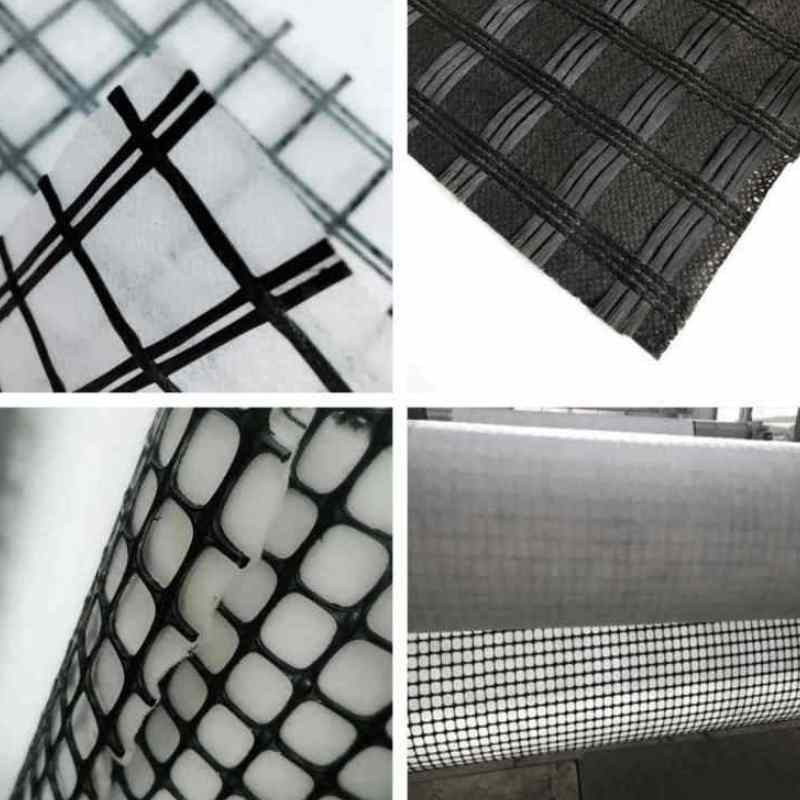
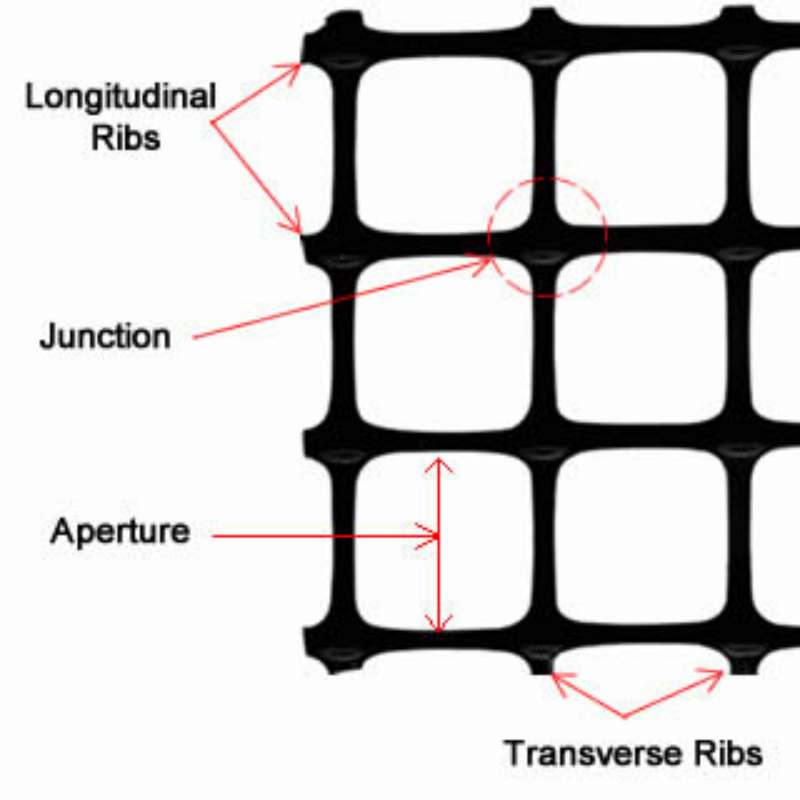
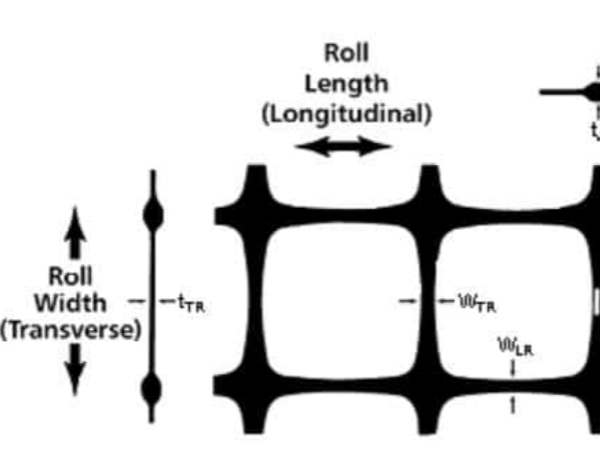
Uniaxial plastic geogrids are manufactured through single-direction stretching (usually in the longitudinal direction), which imparts significant tensile strength in that direction. The mesh structure is elongated, with the primary load-bearing direction aligned with the stretching direction. These geogrids are ideal for projects requiring load support in one direction. Biaxial plastic geogrids, on the other hand, are stretched in both longitudinal and transverse directions, providing high tensile strength in both directions. Their mesh is square or rectangular, making them suitable for applications requiring bidirectional load distribution.
Performance Comparison
Uniaxial plastic geogrids have higher tensile strength in a single direction (typically longitudinal), with values reaching 50-150 kN/m. However, their transverse tensile strength is weaker, making them suitable for projects with unidirectional load requirements. Biaxial plastic geogrids offer high tensile strength in both longitudinal and transverse directions, usually ranging from 15-50 kN/m. Their bidirectional strength ensures uniform load distribution, making them ideal for complex load-bearing scenarios.
Application Scenarios
Uniaxial plastic geogrids are particularly well-suited for projects requiring longitudinal tensile strength, such as one-way traffic roads, embankments, or wall reinforcements. Typical applications include subgrade reinforcement for highways and railways, as well as retaining walls and embankment projects. Biaxial plastic geogrids are more appropriate for foundations or areas requiring bidirectional load distribution, such as large-scale ground support. Common applications include subgrade reinforcement for roads, parking lots, airport runways, and soft soil foundation treatments.
Cost-Effectiveness
For scenarios requiring unidirectional load support, uniaxial plastic geogrids are more cost-effective, significantly reducing material waste. While biaxial plastic geogrids may have slightly higher unit costs, their superior performance in distributing multidirectional loads ensures greater overall efficiency, reduces maintenance costs, and enhances project quality and longevity.
Composition of Plastic Biaxial Geogrid Production Line
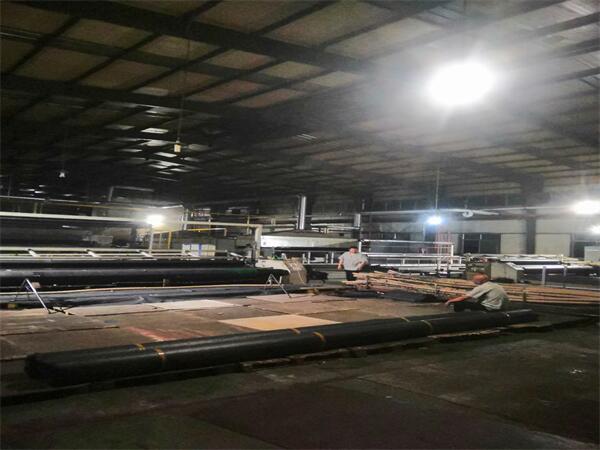
A complete plastic geogrid production line consists of the following components: sheet extrusion device, sheet punching device, longitudinal stretching device, transverse stretching device, and winding device.
Advantages of Chinese Plastic Biaxial Geogrid
Since 2002, Western countries no longer dominate the high-performance plastic geogrid market. China has developed advanced production and manufacturing technologies for plastic geogrids and continues to introduce new products. These include high tensile strength, high tensile modulus, high rigidity, high creep strength, large width, and special properties such as flame retardancy, leading global trends in plastic geogrid products and technology.
Additionally, China is currently the largest application market for global polypropylene integral biaxial geogrids. This has led to continuous production practice, optimization of product manufacturing processes, improved efficiency, and reduced prices and costs for Chinese plastic biaxial geogrids.
A Brief History of the Development of Plastic Biaxial Geogrid
In 1961, to improve reinforcement efficiency and address performance issues at grid intersections caused by warp knitting or welding, a production process was developed using punched planar polymer plates and stretching them in controlled heating equipment. This process ensures the grid nodes are integral to the finished product, with symmetrical geometric and molecular structures, which is key to product consistency and effective load transmission. Using this process, TENSAR geogrid, invented by Dr. Mercer, founder of The Netlon Group Limited in the UK,obtained patent rights. In the late 1970s, Netlon Group Limited was the first to introduce Tensa plastic geogrids. These new products met market demands for material updates and higher standards while providing more economical and scientifically sound engineering solutions. In 1984, Tensa geogrids were used to construct reinforced earth retaining walls along the banks of the Tyne River in southern England. The 12-meter-high wall was a key project in the UK,meeting a minimum safety factor of 2.3, with the final cost being only 60% of the design cost using traditional methods. The project remains intact and undamaged to this day. In the autumn of 1984, a plastic geogrid-reinforced retaining wall project in Germany's Derwenthough Barrage saved about 40% in cost compared to traditional steel sheet pile retaining walls. Since the introduction of stretched plastic geogrids into reinforced soil engineering in the early 1980s, more than 300 Geosynthetics Reinforced Soil Walls (GRSW) and Geosynthetics Reinforced Soil Slopes (GRSS) were built in the United States between 1983 and 1990 alone. Due to the unique mesh embedding and interlocking effect of geogrids, their reinforcement effect is more pronounced, and their application in reinforced soil retaining walls and slopes continues to grow. In the 1990s, due to the complexity of plastic geogrid production, high equipment costs, large investments, and patent protection by Netlon, only Italy's TENAX, the United States;TENSAR, and Japan's Mitsui Petrochemical companies had production lines, with the U.S. and Japan lines also provided by Netlon and strictly restricted by Netlon’s licensing system. In June 1998, engineering and technical personnel from Tai an Plastic Factory in Shandong Province, China, after a year of technical research and experimentation,successfully manufactured China’s first unidirectional tensile geogrid production line and began producing and launching various geogrid products into the Chinese market. In December of the same year, Tai an Plastic Factory developed China’s first polypropylene biaxially oriented geogrid production line, producing various specifications of biaxially oriented plastic geogrids and supplying them to many major construction projects in China. The development project for plastic biaxial geogrid products and equipment, organized by Taian Plastic Factory, passed technical appraisals by the Shandong Second Light Industry Association and the Shandong Provincial Science and Technology Commission in May and December 1999.
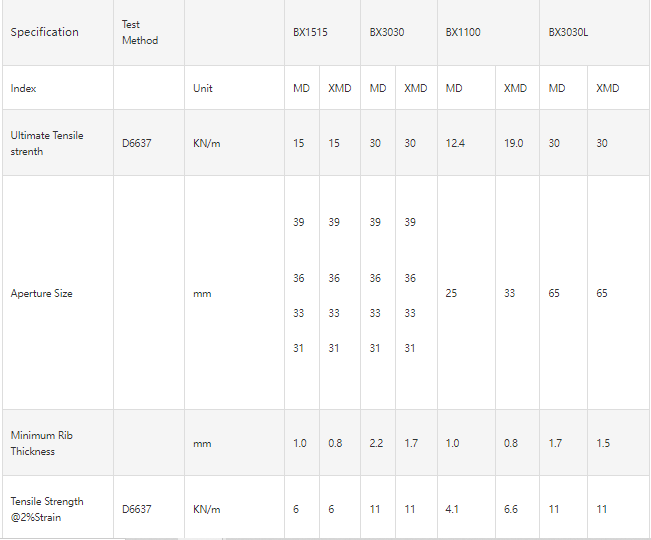
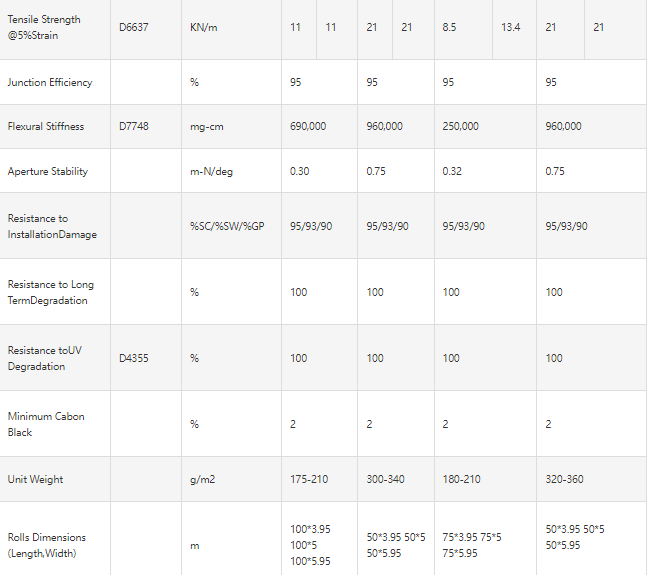
Product Specifications and Performance
In summary, plastic biaxial geogrids offer significant benefits in reinforcing soil structures, thanks to their high strength, durability, and corrosion resistance. Understanding their production process and key features can help you make informed choices for your projects. By focusing on product quality, specifications, and cost-effectiveness, you can ensure optimal performance and value. As a supplier, manufacturer, and exporter of polypropylene biaxial geogrid,we hope this guide equips you with the knowledge needed to effectively utilize plastic biaxial geogrids in your engineering applications.