

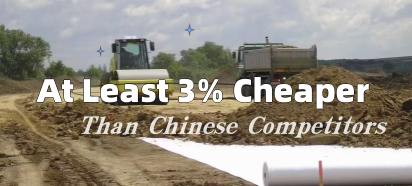
The HDPE liner, also known as a geomembrane, is a synthetic membrane barrier widely used in various containment applications such as ponds, reservoirs, landfills, and other environmental engineering projects. These liners are specifically designed to prevent the leakage of liquids and gases, playing a crucial role in preserving the integrity of containment structures. The HDPE liner is well-known for its cost-effectiveness, durability, and outstanding performance in water resource management and environmental protection. GONGJIAN, a leading manufacturer and supplier of HDPE liners, offers competitive pricing and high-quality products, including geomembrane liners suitable for a wide range of applications.
What is an HDPE Pond Liner (Geomembrane)?
An HDPE pond liner is a synthetic barrier made of high-density polyethylene that controls fluid migration in engineered structures. This geomembrane liner plays an essential role in preventing the leakage of liquids or gases, particularly in applications such as landfills, ponds, and reservoirs. The HDPE liner is manufactured using advanced extrusion or calendaring processes, which result in a flexible and uniform thickness film. Due to its low permeability, excellent chemical resistance, UV degradation resistance, and puncture resistance, HDPE is the ideal material for containment systems in various environmental settings.
These liners are generally available in thicknesses ranging from 0.2mm to 3mm, with widths varying from 1 meter to 10 meters, allowing flexibility in their application across different project requirements.
Key Considerations When Choosing a Geomembrane Liner for Your Project
When selecting a geomembrane liner, several factors need to be carefully considered to ensure optimal performance, durability, and cost-effectiveness. Below are the main considerations that will guide you in making an informed decision:
1. Material Selection
The raw material used in manufacturing the HDPE liner significantly influences the liner's performance. Here are the key factors to consider regarding material selection:
Physical Properties: Geomembranes made from different materials exhibit varying physical characteristics such as tensile strength, puncture resistance, and tear resistance. It is crucial to select the right material based on these properties to ensure the liner can withstand the environmental and operational conditions it will face.
Chemical Properties: The HDPE liner must be able to withstand exposure to a variety of chemicals, such as acids, alkalis, and other corrosive substances. Ensuring the material's resistance to chemical degradation is important for maintaining the integrity of the containment structure.
Cost Considerations: Different raw materials come with varying costs, which will directly affect the overall cost of the geomembrane. While higher-quality materials may cost more initially, they often provide better protection and longer-lasting performance, reducing maintenance costs over time.
Environmental Compatibility: The performance of the geomembrane under various environmental conditions—such as UV exposure, extreme temperatures (both heat and cold), and moisture—should be considered when selecting the material. Some materials may perform better in harsh environmental settings than others.
2. Application-Specific Needs
Choosing the appropriate HDPE geomembrane depends on the specific requirements of your project. Here are some key factors to consider when selecting a liner for your application:
Project Type and Requirements: Different applications, such as fish ponds, reservoirs, or landfills, have distinct needs when it comes to liner thickness and performance. For example, applications where the liner will face high puncture risks or pressure should use thicker geomembranes to ensure durability.
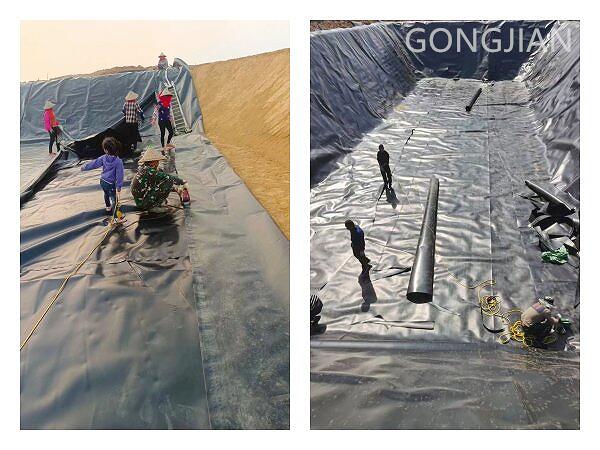
Soil Conditions: The characteristics of the soil, including its sharpness and hardness, will influence the liner’s performance. Sharp or rocky soils may require a thicker geomembrane to prevent punctures and ensure the integrity of the liner.
Expected Service Life: The expected service life of the geomembrane is closely tied to its thickness. Thicker HDPE liners typically have a longer lifespan and are ideal for long-term containment projects, as they provide better resistance to wear and environmental stress.
Environmental Factors: Environmental factors such as temperature fluctuations, moisture levels, and exposure to UV rays will impact the liner's performance. In harsh climates or areas with extreme weather, opting for a thicker geomembrane will provide enhanced protection.
3. Choose a Professional Geomembrane Manufacturer
The quality and performance of the HDPE liner depend largely on the manufacturer. When choosing a supplier, consider the following factors to ensure you are working with a reliable and reputable company:
Certifications and Quality Assurance: Choose manufacturers that hold certifications like ISO 9001 (Quality Management System) and ISO 14001 (Environmental Management System). These certifications indicate that the manufacturer adheres to internationally recognized quality standards and environmental practices.
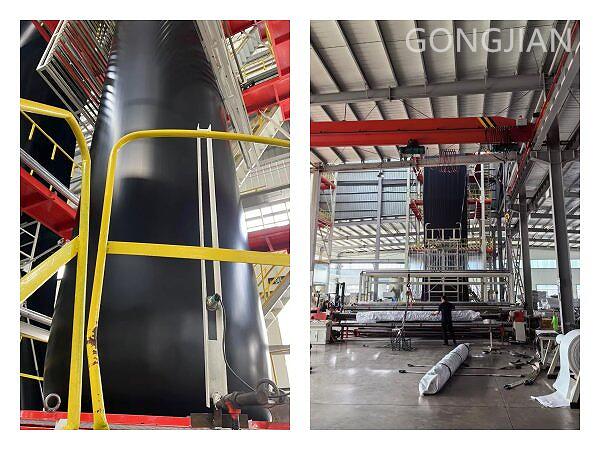
Manufacturing Capabilities and Expertise: Select a manufacturer with significant expertise and experience in producing high-quality geomembranes. A company with strong technical capabilities and large-scale production facilities can ensure consistent product quality and reliability.
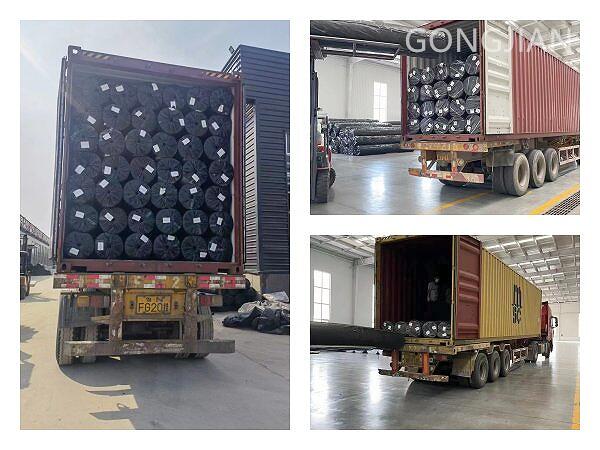
Product Range and Customization: Ensure that the manufacturer offers a wide range of geomembranes in various sizes, thicknesses, and custom specifications to suit different project needs. Customizable options will give you the flexibility to select the ideal liner for your specific requirements.
Customer Service and Support: Reliable customer service is vital for ensuring the smooth progression of your project. Choose a manufacturer that provides comprehensive pre-sale, in-sale, and post-sale support, including technical assistance, installation guidance, and troubleshooting.
Environmental Responsibility: Opt for manufacturers that prioritize environmental sustainability and follow eco-friendly practices. A company that adheres to environmental regulations and takes responsibility for its production processes is more likely to produce high-quality, sustainable products.
Installation Guidelines for HDPE Geomembrane Liners
Installing an HDPE pond liner requires careful planning and execution. Here is a step-by-step guide for installing the geomembrane in your project:
Site Preparation: Begin by clearing the site of vegetation, debris, and any sharp objects that could damage the liner. Ensure that the ground is level and stable, providing a solid foundation for the geomembrane.
Design and Layout: Conduct a detailed survey to map out the layout of the HDPE geomembrane and associated infrastructure. This ensures that the liner is installed properly and that it will meet the project’s functional and environmental requirements.
Excavation: Dig trenches around the perimeter where the geomembrane will be anchored. This ensures the liner is securely held in place and prevents movement during the installation process.
Positioning the Liner: Unroll the geomembrane sheets carefully, making sure there are no wrinkles or folds that could compromise the liner's integrity. Ensure the sheets are laid out in a way that minimizes seams, as seams are the most vulnerable parts of the liner.
Sealing the Joints: The seams between the geomembrane sheets should be sealed using heat welding or adhesives, following the manufacturer's recommendations. This creates a continuous, impermeable barrier that ensures the containment structure's effectiveness.
Protective Covering: Once the liner is in place, a layer of soil, gravel, or other protective material may be added to shield the geomembrane from potential damage, such as punctures from sharp objects or UV degradation.
Quality Control: After installation, conduct a thorough quality inspection to ensure the liner meets all engineering, environmental, and regulatory standards. This step is crucial to ensure the containment system functions as intended over the long term.
Conclusion
Selecting the right HDPE liner (geomembrane) is crucial for the success of containment projects, whether for ponds, reservoirs, or landfills. By considering important factors such as material properties, application needs, environmental conditions, and the reputation of the manufacturer, you can ensure that the geomembrane will provide effective, long-lasting protection. GONGJIAN, as a leading manufacturer of HDPE liners, offers a wide range of high-quality products designed to meet the highest industry standards. Whether you need a standard liner or a customized solution, choosing a reliable supplier like GONGJIAN will ensure your project’s success and environmental sustainability.


