


Geogrids in Soil Reinforcement
In modern civil engineering, soil reinforcement geogrid technology is a crucial method for enhancing soil mechanical properties and improving project stability. Geogrids for soil stabilization, as high-performance reinforcement materials, play an irreplaceable role in soil reinforcement projects due to their unique grid structure and high strength.
Basics of Geogrids
Definition and Characteristics
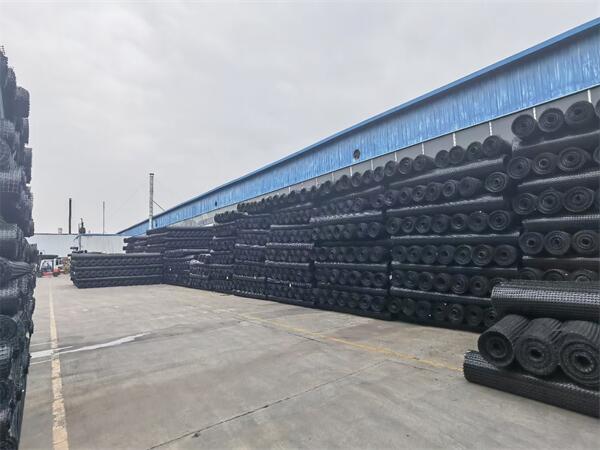
Geogrids are two-dimensional or three-dimensional mesh materials made from high-strength polymer materials such as polypropylene, polyethylene, or polyester through stretching or weaving. They are known for their high strength, high modulus, corrosion resistance, light weight, and ease of installation, which help effectively distribute stress within the soil and enhance the overall stability and bearing capacity of the soil.
Classification and Applications
Geogrids can be classified into various types based on manufacturing processes and uses, including uniaxial geogrids, biaxial geogrids, welded geogrids, and knitted geogrids. They are widely used in geogrid soil reinforcement applications such as embankment strengthening, slope stabilization, retaining wall construction, and soft soil foundation treatment, as well as in hydraulic and environmental engineering projects.
Principles and Techniques of Soil Reinforcement
Principles
The core of soil reinforcement technology involves improving the physical and mechanical properties of soil by adding reinforcement materials like geogrid for soil stabilization. When subjected to external loads, geogrids carry part of the tensile stress and distribute the stress to a broader soil area through interactions such as friction and interlocking, thereby enhancing soil stability and bearing capacity.
Technical Points
Selection of Reinforcement Materials: Choose appropriate geogrid types and specifications based on project requirements, soil conditions, and environmental factors.
Arrangement of Reinforcement Layers: Arrange the layers and positions of geogrids according to design requirements to maximize reinforcement effectiveness.
Compaction of Reinforced Soil: After laying the geogrids, thoroughly compact the soil to improve the bond between the soil and the geogrids.
Boundary Condition Handling: Address boundary conditions of the reinforced soil, such as implementing effective anchoring measures to prevent geogrid displacement and pullout.
Application Examples of Geogrids in Soil Reinforcement
Highway Embankment Reinforcement
In highway construction, the stability of embankments is crucial for road safety and longevity. Using geogrids for soil stabilization significantly improves lateral stability and bearing capacity. By layering multiple geogrids and integrating them with the fill, a stable composite soil structure is formed that effectively resists external loads and dynamic forces from vehicle traffic.
Slope Protection Projects
For slopes prone to landslides or collapses, geogrids offer an effective reinforcement solution. By embedding geogrids for soil stabilization within the slope soil and utilizing their high strength and modulus characteristics, the shear strength and overall stability of the slope soil are enhanced. Additionally, geogrids effectively distribute rainfall-induced seepage pressure, reducing soil erosion.
Analysis of Geogrid Soil Reinforcement Effects
Enhanced Stability
The addition of geogrids significantly improves soil stability and bearing capacity. The mesh structure of geogrids interacts with soil particles to limit lateral deformation and displacement, enhancing resistance to sliding and overturning.
Optimized Stress Distribution
Geogrids for soil stabilization help distribute stress over a wider area, reducing localized stress concentration. This minimizes the risk of soil failure and enhances the durability and lifespan of the soil.
Significant Economic Benefits
Although the initial investment in geogrids may be relatively high, their excellent performance reduces maintenance and repair costs over time. Stable soil structures also extend project lifespan, reducing costs associated with soil instability, thus providing substantial economic benefits.
Future Trends
With advancements in technology and ongoing engineering practices, the application of geogrids in soil reinforcement will continue to evolve. New materials and processes will enhance geogrid soil reinforcement performance, such as higher strength and better corrosion resistance, and more convenient installation methods. Additionally, smart technologies will bring breakthroughs in geogrid applications, such as real-time monitoring of soil stress and deformation through intelligent systems, providing scientific support for project maintenance and management.
Geogrids, as high-performance soil reinforcement materials, play an irreplaceable role in modern civil engineering. Their unique grid structure and high strength enable soil to maintain stability and bearing capacity under external loads. With proper design and construction, geogrids demonstrate excellent performance and economic benefits in embankment reinforcement and slope protection projects. As technology continues to innovate and application fields expand, the prospects for geogrid applications in soil reinforcement will grow. Future efforts should focus on further research and application development of geogrids to contribute to the safety, environmental protection, and sustainable development of civil engineering.
