

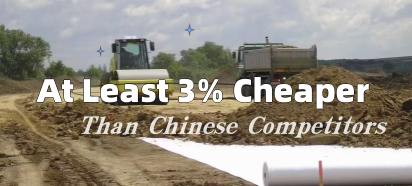
Introduction to Geomembranes(Pond Liners):
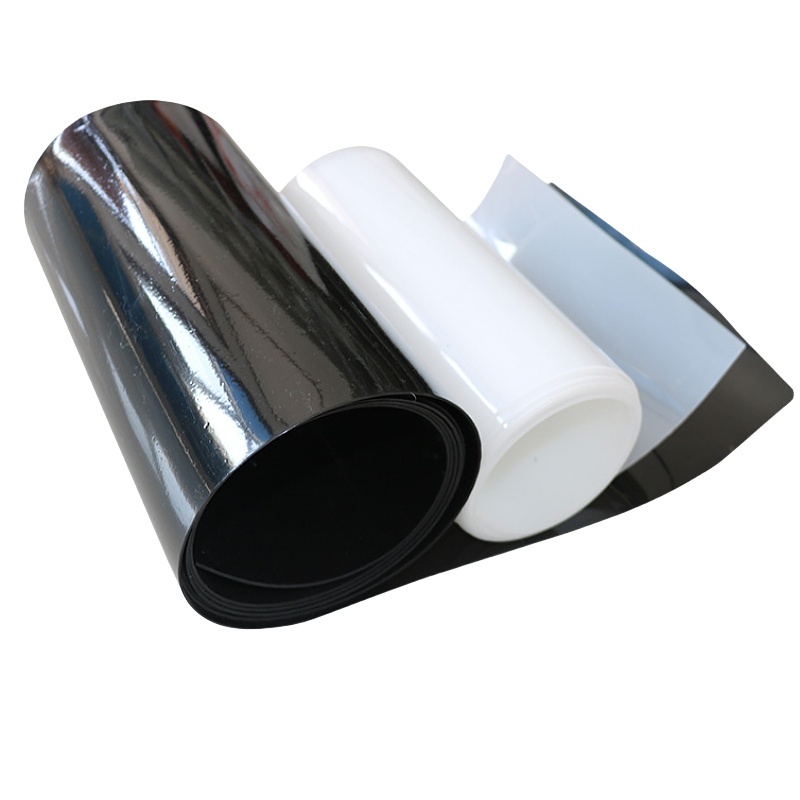
Geomembranes(Pond Liners), also known as impermeable membranes, are barrier materials primarily made from polymer resins. When the thickness exceeds 0.8mm, they are referred to as waterproof sheets. Their primary function is to prevent liquid leakage and gas evaporation.
Types of Geomembranes(Pond Liners):
Pond Liner can be categorized based on their material and composition:
• HDPE Pond Liners (High-Density Polyethylene): The most widely used type, accounting for over 70% of the market share.
• LDPE Geomembranes (Low-Density Polyethylene).
• PVC Pond Liners (Polyvinyl Chloride).
Regarding surface texture, geomembranes are divided into:
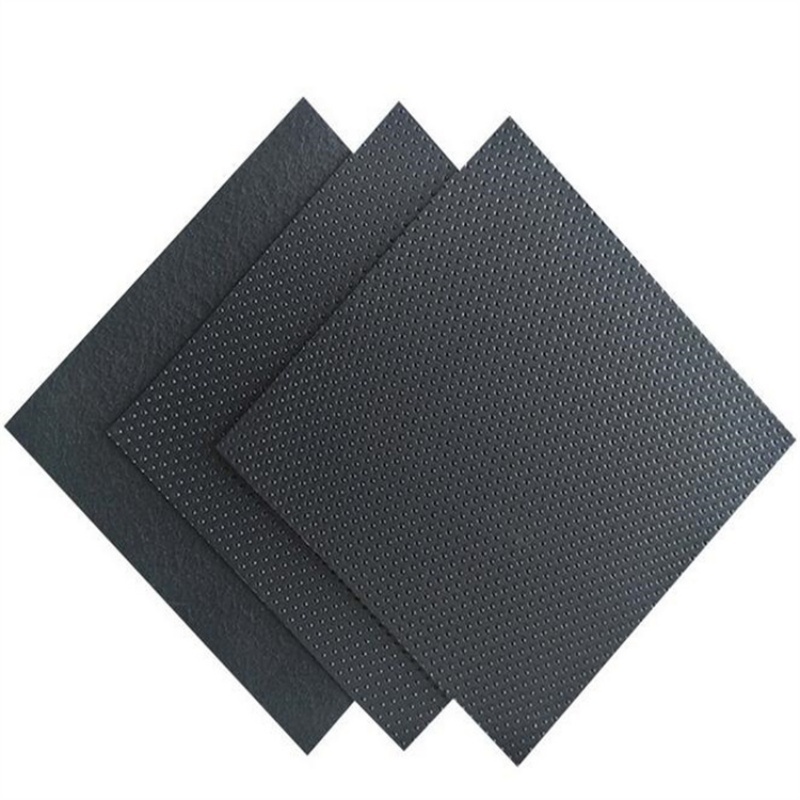
• Smooth Geomembrane: Both sides are smooth and flat.
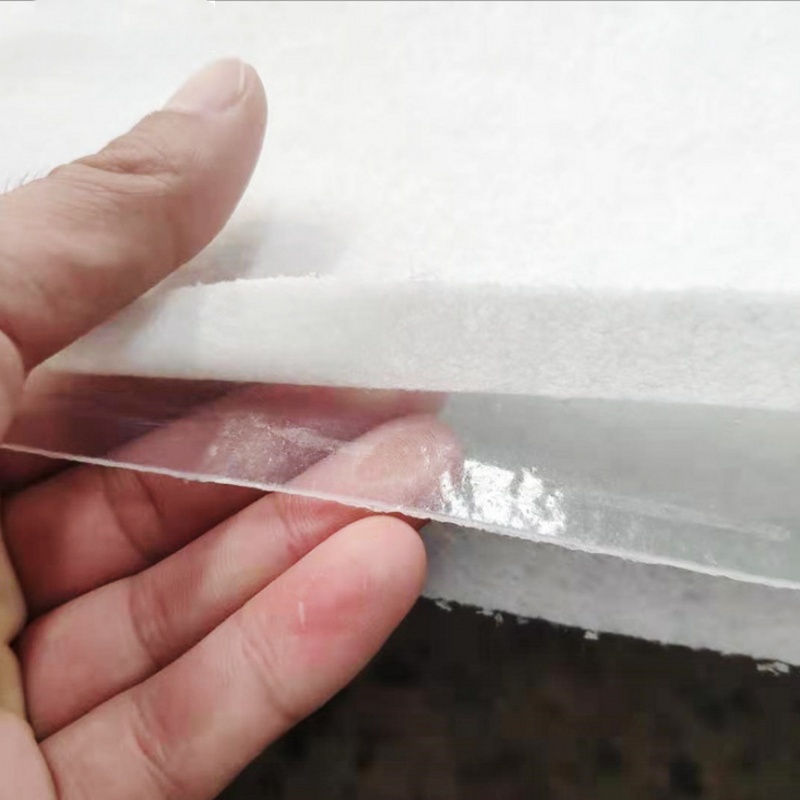
• Textured Geomembrane: These have a rough surface, which increases friction with the soil, making them ideal for slope seepage control projects. There is also Composite Geomembranes, where the pond liner is laminated with geotextile on one or both sides. This combination provides added strength and prevents damage from sharp objects.
Alternative Names for Geomembranes:
Geomembranes are known by various other names depending on the context, such as impermeable membranes, pond plastic liners, HDPE pond liners, and in some cases, geomembrane liners or impermeable liners. Since HDPE is the primary material, they are also referred to as high-density polyethylene geomembranes. All these terms describe the same type of product.
Pricing of Geomembranes:
The price of Pond Liner is influenced by several factors:
• Production standards, thickness, color, and raw material costs.
• Variations in the formulation, such as the ratio of additives like carbon black and antioxidants, can significantly affect the product's longevity and price. For example, carbon black is essential for UV protection. Without it, polyethylene degrades in under a year, while adding 1% carbon black can extend the product's life to 25 years.
Advantages and Applications of Geomembranes:
Geomembranes offer several advantages and are widely used in engineering and environmental protection projects:
• Improving Project Quality: Geomembranes effectively prevent water seepage and surface water erosion, thus improving overall project stability and quality.
• Environmental Protection: They act as a barrier, isolating harmful substances and preventing soil and groundwater contamination, helping to protect the environment.
• Extended Durability: Geomembranes resist soil erosion, UV radiation, and chemical corrosion, which increases the longevity of civil engineering projects.
Quality of Chinese Geomembranes:
Chinese geomembrane manufacturers have advanced production equipment and high-quality raw materials, many of which are now locally sourced. Some Chinese manufacturers can produce geomembranes up to 10 meters in width, meeting both ASTM international standards and domestic Chinese standards.
Future Trends in Geomembrane Development:
• Advances in Manufacturing: Future production will move towards wider, more efficient, and intelligent manufacturing processes, with features like low energy consumption, high output, automated feeding, online thickness measurement, automated rolling, packaging, and cloud-based data transmission.
• Improvement in Product Quality: Pond liners will continue to evolve towards more stable quality, with enhanced thickness uniformity, improved mechanical properties, and better durability over time.
• Technological Innovation: Advances in material science and production techniques will drive improvements in geomembranes’ key performance indicators, such as impermeability, weather resistance, and mechanical strength, helping to further push the industry forward.