

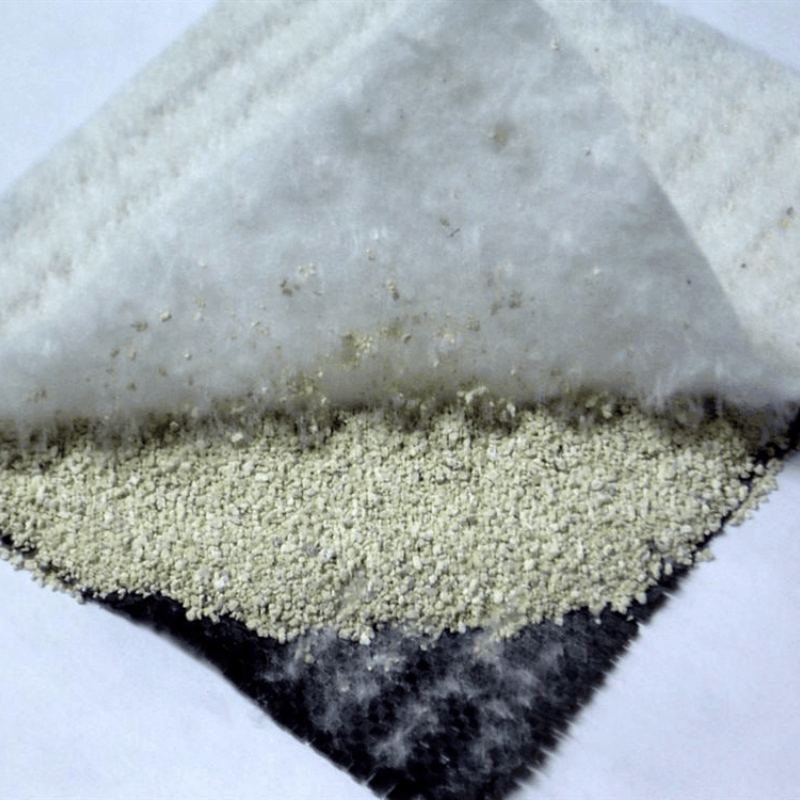
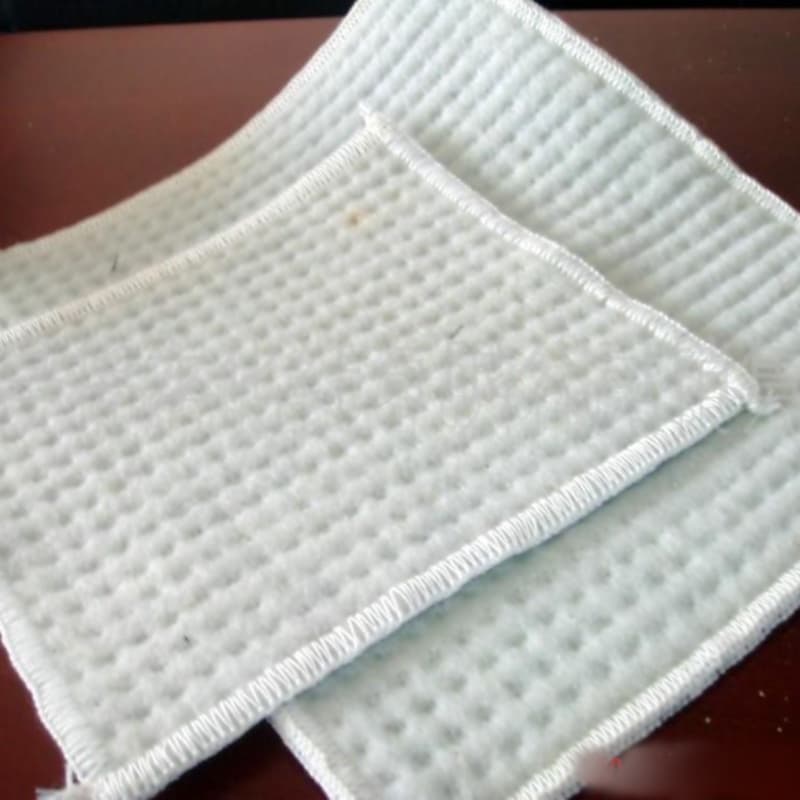
Structure of Geosynthetic Clay Liner
Geosynthetic clay liner(Geosynthetic Clay Liner, abbreviated as GCL, also known as gcl liner, bentonite clay liner, or geo clay liner) is an effective waterproofing and seepage control material. Its uniqueness lies in the innovative combination of nonwoven fabric,woven fabric, and bentonite. These three materials are integrated into a single unit through needle-punching or other bonding techniques, resulting in a product that offers both high strength and excellent waterproofing capabilities.At the end of the article, a table of product specifications and performance parameters is attached.
• Nonwoven Fabric: As the outer layer of the GCL, nonwoven fabric primarily provides seepage protection and enhances overall flexibility. Nonwoven fabric is made from fiber layers that are bonded together using chemical, mechanical, or thermal methods. It offers good air and water permeability while effectively preventing soil particles and other impurities from penetrating, thus protecting the bentonite layer in the middle from external contamination and damage.
• Woven Fabric: The woven fabric is positioned between the nonwoven fabric and the bentonite. Its main function is to enhance the overall strength and stability of the GCL liner, enabling it to withstand significant tensile and shear forces and preventing the GCL from tearing or deforming during installation and use.
• Bentonite: Bentonite is the core component of the geosynthetic liner and is crucial for its waterproofing and seepage control functions. Bentonite is a natural mineral with strong water-absorbing, swelling, and adhesive properties. When bentonite comes into contact with water, it quickly absorbs water and swells to form a dense gel layer that effectively blocks water penetration. The swelling of bentonite is key to its waterproofing ability. As bentonite absorbs water, its volume increases significantly, causing the particles to compress together and form a tight structure. This swelling effect not only enhances the waterproofing performance of bentonite itself but also helps it bond better with surrounding materials, creating a continuous, seamless waterproof barrier.
Performance Characteristics
Geo clay liner holds a significant place in the waterproofing field due to its unique performance characteristics, including the following:
• Excellent Waterproofing Performance: Bentonite's ability to swell upon contact with water allows it to rapidly absorb water and fill gaps, forming a tight waterproof layer. This feature makes geosynthetic clay liner highly effective in preventing water leakage.
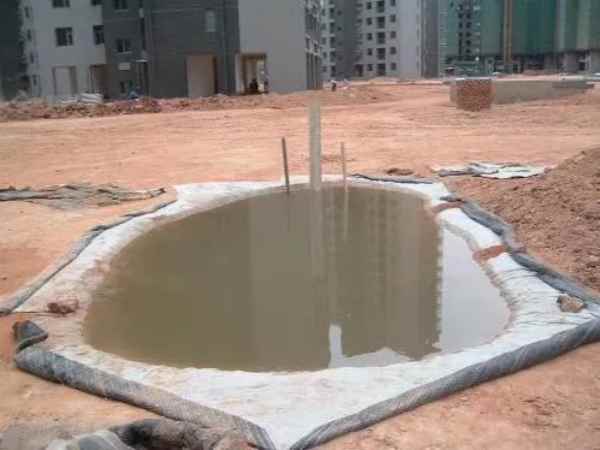
• Good Self-Healing and Adaptability: The GCL has some self-healing capability. Even if small damages or holes occur during use, bentonite can swell and fill these defects on its own, restoring its waterproof performance. Additionally, GCL can adapt to various terrains and geological conditions, performing effectively on both flat surfaces and complex slopes.
• Good Durability: Geosynthetic clay liner is highly resistant to aging and can maintain stable waterproofing performance over time. Its materials are not easily affected by external environmental conditions or chemicals, ensuring a long service life.
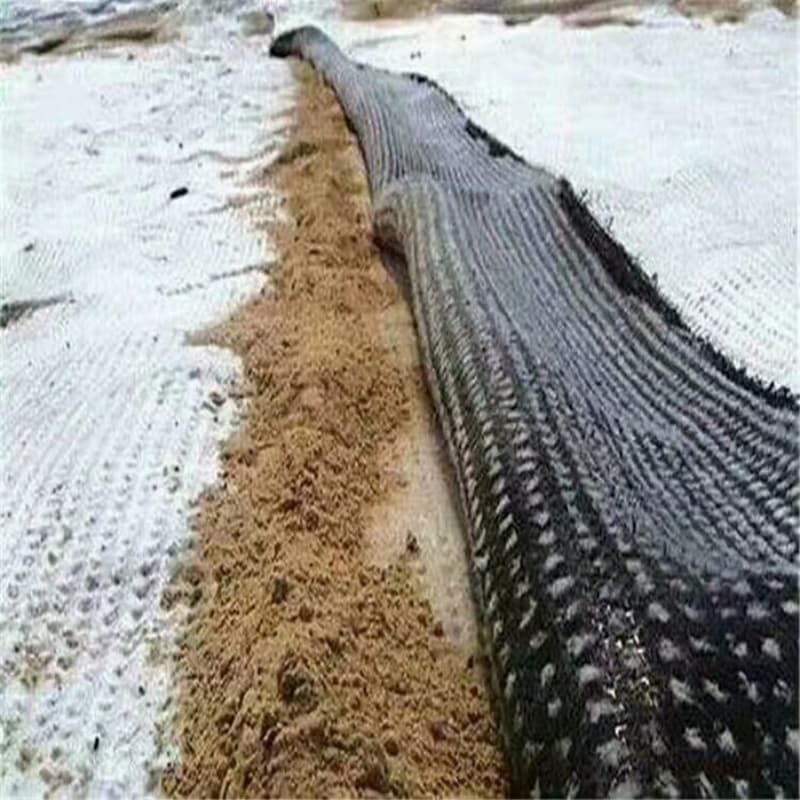
• Easy Installation: Geosynthetic clay liner is straightforward and quick to install. It simply needs to be laid on the surface requiring waterproofing and connected with other construction materials. No complex equipment or processes are required, reducing both installation costs and difficulty. It also features easy repair capabilities; if the waterproof layer is damaged, simple repairs can restore its waterproofing performance.
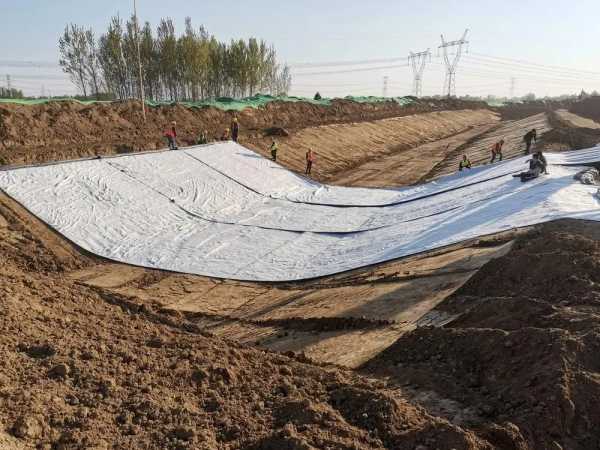
• Wide Range of Applications: Geosynthetic clay liner can be used in various waterproofing situations, including municipal, water conservancy, environmental protection, and landscaping projects. Its broad applicability makes it an ideal choice for waterproofing projects.
• Environmentally Friendly and Non-Toxic: Bentonite is a natural mineral material that is non-toxic and harmless, making it environmentally friendly.
• Strong Integrity and Easy Integration with Other Materials: The clay liner is made from bentonite, nonwoven fabric, and woven fabric, bonded together through needle-punching or other techniques, creating a highly integrated and structurally stable waterproof layer. Additionally, GCL can easily be combined with other geotextile materials (such as geomembranes and geotextiles) to form a composite waterproofing system, further enhancing its waterproofing effectiveness.
Differences from Other Seepage Control Materials
Geosynthetic clay liner differs from other seepage control materials (such as composite geomembranes) in terms of performance and application:
• Waterproofing Performance: Geo clay liner creates a waterproof layer through the swelling property of bentonite when in contact with water, while composite geomembranes achieve waterproofing through the combination of geotextiles and plastic films. Both have their advantages in waterproofing performance, but geosynthetic clay liner has self-healing capabilities, allowing it to automatically fill small holes.
• Material Cost: The material cost of geosynthetic clay liner(Abbreviated as GCL) is relatively lower, mainly consisting of bentonite, nonwoven fabric, and woven fabric.
• Installation Process: Geosynthetic clay liner is easy and quick to install, requiring no complex equipment or processes. In contrast, composite geomembranes require welding and other complex operations during installation, which demand higher technical skills from installers.
Geosynthetic Clay Liner Specifications
| Properties | Unit | Test Method | Frequency | Value |
|---|---|---|---|---|
| GCL Property | ||||
| Bentonite mass per unit area | g/m2 | ASTM D 5993 | 4000m2 | 3600g/m2 MARV |
| Tensile Strength | kN/m | ASTM D 6768 | 4000m2 | 6kN/m MARV |
| Peel Strength | N | ASTM D 4632 | 4000m2 | 65N MARV |
| Hydraulic conductivity | cm/s | ASTM D 5887 | periodically | 5×10⁻²cm/sec MARV |
| Shear Strength | kPa | ASTM D 6243 | periodically | 24 kPa Typical |
| Geotextitle Property | ||||
| Cap nonwoven geotextile | g/m2 | ASTM D 5261 | 20,000m2 | 200 g/m2 MARV |
| Cap woven geotextile | g/m2 | ASTM D 5261 | 20,000m2 | 200 g/m2 MARV |
| Bentonite property | ||||
| Swell index | Kg | ASTM D 5890 | 50,000Kg | 24ml/2g MARV |
| Moisture content | % | ASTM D 4643 | 50,000Kg | 12% max |
| Fluid loss | ml | ASTM D 5891 | 50,000Kg | 18ml max |
| Roll Dimensions | ||||
| Width*Length | m | Typical | each roll | 5.8×30 |
| Area Per Roll | m2 | Typical | each roll | 174 |
| Packaged Weight | kg | Typical | each roll | 935 |
| 20GP loading | roll | Typical | each roll | 20 |
| 20GP loading Note: 3. Nonwoven Geotextile can be PP or PET material. | ||||
Conclusion
Geosynthetic clay liners offer a reliable, cost-effective, and environmentally friendly solution for waterproofing and seepage control. Their unique material composition and ease of installation make GCL a preferred choice for various construction projects. With excellent self-healing properties and durability, GCL is a versatile and long-lasting option. We hope this article has helped you make an informed decision about incorporating GCL into your next project.