

High-density polyethylene geomembrane, commonly referred to as HDPE geomembrane, is a type of synthetic waterproof material widely used in various water containment applications. This highly durable geomembrane is manufactured from top-quality polyethylene resin combined with essential additives like carbon black, UV stabilizers, antioxidants, and anti-aging agents. These ingredients give HDPE geomembrane excellent UV resistance, enabling it to perform well even under harsh outdoor conditions.
GONGJIAN specializes in providing high-performance HDPE geomembranes designed to offer long-lasting protection in a variety of applications. The following guide will help you understand the crucial aspects of choosing the right HDPE geomembrane for your pond liner project.
Key Functions of High-Density Polyethylene Geomembrane for Ponds
High-density polyethylene geomembrane performs several essential functions in pond construction and maintenance. Here are some of the core roles it plays:
Waterproofing: One of the most important functions of HDPE geomembranes is to act as a waterproof barrier, preventing water from leaking into the surrounding soil and causing issues like erosion or contamination.
Containment: HDPE geomembranes ensure that water remains contained within the designated boundaries of the pond, helping to maintain its shape and volume over time.
Chemical Resistance: HDPE is highly resistant to a wide range of chemicals, making it suitable for various water types, including those with acidic or alkaline properties.
Durability and Flexibility: HDPE geomembranes are not only flexible but also highly durable, able to withstand temperature changes, UV radiation, and physical stresses without degrading or tearing easily.
Environmental Protection: By preventing water seepage, these geomembranes help protect the surrounding environment from pollution, preserving local ecosystems and preventing invasive species from entering or leaving the pond.
Cost-Effectiveness: Compared to traditional materials like concrete or special coatings, HDPE geomembranes are generally more affordable and require minimal maintenance, offering a more cost-effective solution for water containment.
Easy Installation: These geomembranes come in large rolls or sheets, which can be easily installed over a prepared surface. They can be heat-welded or adhered together for seamless coverage, making the installation process faster and more efficient.
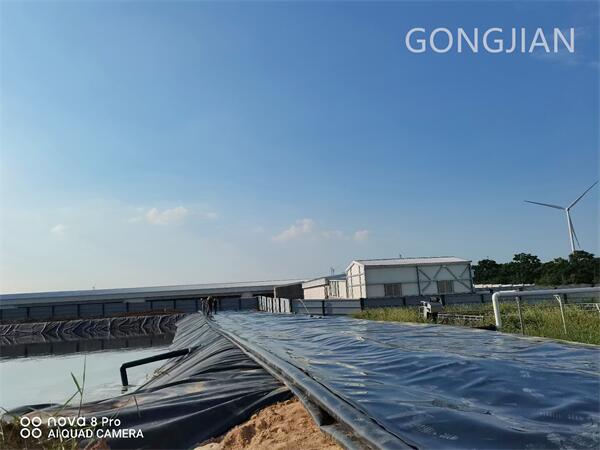
Applications of High-Density Polyethylene Geomembranes
High-density polyethylene geomembranes are versatile and well-suited for a variety of industrial projects requiring effective water containment. Here are some of the primary industries and projects that benefit from HDPE geomembranes:
Industrial Wastewater Management: HDPE geomembranes are ideal for lining wastewater treatment facilities, lagoons, and tanks, providing excellent chemical resistance and ensuring the safe containment of industrial wastewater.
Mining and Extraction Industries: HDPE geomembranes are used in mining operations to line tailings ponds and other storage areas. Their robust resistance to harsh chemicals ensures they can handle the demanding conditions of mining projects while meeting environmental standards.
Solar Evaporation Ponds: In processes like solar salt production, HDPE geomembranes are used to line evaporation ponds, minimizing water loss due to seepage and evaporation while enhancing the overall efficiency of the evaporation process.
Oil & Gas Applications: In the oil and gas industry, HDPE geomembranes are used for secondary containment in spill berms, pits, and storage areas. They offer excellent resistance to oils, chemicals, and high temperatures, preventing environmental contamination.
Agricultural Projects: For agricultural operations, HDPE geomembranes are ideal for lining irrigation ponds and reservoirs, preventing water loss through seepage, and ensuring optimal water management for crop irrigation and livestock needs.
Construction Site Dewatering: HDPE geomembranes are used to create temporary or permanent dewatering solutions on construction sites, helping manage groundwater and prevent it from interfering with construction activities.

How to Choose the Right HDPE Geomembrane for Your Pond
Selecting the right HDPE geomembrane is critical for the long-term success of your pond or water containment project. Here are the factors to keep in mind when making your choice:
Project Specifications: Start by assessing your specific project needs. Consider the size, shape, depth of the pond, and the type of water it will contain (e.g., freshwater, wastewater, or chemical-laden water). This will guide you in selecting the appropriate material specifications.
Thickness and Durability: The thickness of the geomembrane directly impacts its durability. Thicker membranes (ranging from 20 to 100 mils) are ideal for larger industrial applications, as they offer increased resistance to punctures, tears, and environmental stresses. Thinner geomembranes (10-20 mils) are typically suitable for smaller, residential ponds.
Material Quality: Always opt for high-quality, virgin polyethylene resin when choosing an HDPE geomembrane. Virgin materials offer superior UV resistance and flexibility, providing a longer lifespan compared to recycled materials.
Size and Coverage: Measure the dimensions of your pond accurately to ensure that the geomembrane you purchase covers both the bottom and sides. It’s recommended to purchase a membrane that extends at least 12 to 18 inches (30 to 45 cm) up the sides to allow for proper anchoring and to prevent slippage.
Surface Texture: HDPE geomembranes come in both smooth and textured finishes. Smooth liners are easy to clean and maintain, while textured ones offer better grip and stability, making them suitable for uneven or sloped terrains.
Chemical Resistance: For projects involving exposure to harsh chemicals, choose an HDPE geomembrane with high chemical resistance. Different grades of HDPE offer varying levels of resistance to common industrial chemicals such as acids and alkalis.
Ease of Installation: Consider the installation process. Many HDPE geomembranes come with pre-fabricated folds and seams, which can simplify the installation process. Ensure that the chosen membrane is compatible with your installation tools and methods.
Manufacturer Reputation: It’s important to purchase from reputable manufacturers like GONGJIAN, known for producing high-quality HDPE geomembranes. Check for certifications, customer reviews, and warranties to ensure you are investing in a reliable product.
How to Properly Install High-Density Polyethylene Geomembrane
To install your HDPE geomembrane effectively, follow these essential steps:
Site Preparation: Begin by clearing the area of any sharp objects, such as rocks or roots, that could puncture the membrane. Ensure the ground is smooth and level.
Unrolling the Geomembrane: Unroll the HDPE geomembrane gently over the prepared surface. Ensure the material lies flat without any wrinkles or folds, starting from one end and working your way across.
Positioning and Anchoring: Position the geomembrane so that it extends beyond the pond’s sides by at least 12 to 18 inches. Anchor the edges securely with appropriate materials such as anchor stakes or rocks, ensuring the material is taut but not overstretched.
Seaming (if necessary): If your project requires multiple sheets, overlap the seams by at least 6 inches (15 cm). Use double-sided tape, heat welding, or adhesive for a strong, leak-proof bond.
Trimming: Once the geomembrane is secured, trim any excess material carefully with scissors or a utility knife. Leave a small overlap around the edges for added security.
Final Inspection: Gradually fill the pond with water and check the seams and edges for any leaks. Perform a final inspection to ensure the installation is secure and the geomembrane is functioning as intended.
Conclusion
Selecting the right high-density polyethylene geomembrane for your pond or water containment project is vital for ensuring its long-term success and durability. Key considerations include project requirements, material thickness, chemical resistance, and ease of installation. By thoroughly evaluating these factors and opting for a trusted manufacturer like GONGJIAN, you can be confident in the performance and longevity of your HDPE geomembrane. With proper installation and maintenance, an HDPE geomembrane will provide efficient and cost-effective protection for your water containment needs for many years.


