

Differences Between Woven and Non-Woven Geotextiles
Geotextiles play a critical role in civil engineering and construction, addressing challenges like soil stabilization, drainage, and erosion control. Among the various types, woven and non-woven geotextiles are the most widely used due to their distinct properties and applications. For professionals sourcing premium materials, understanding the differences between these two is essential. This article explores their characteristics, advantages, and applications, providing guidance on selecting the right type for your project.
GONGJIAN: A Trusted Geosynthetics Partner
GONGJIAN stands as a frontrunner in the geosynthetics sector, providing world-class geotextile solutions. With a robust track record, the company has earned the trust of international buyers seeking cost-effective, reliable materials for construction and environmental projects.
What Are Geotextiles?
Geotextiles are durable, permeable fabrics engineered from synthetic polymers like polypropylene and polyester. These materials are classified into two primary categories—woven and non-woven—based on their production methods, each offering unique benefits for specific construction and environmental tasks.
Woven Geotextiles
How They Are Made
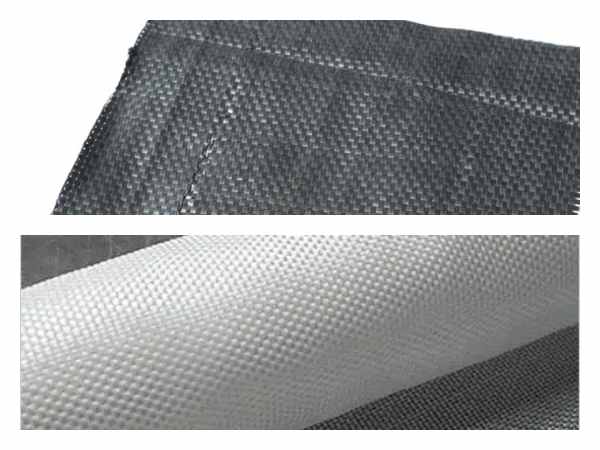
Woven geotextiles are created by weaving individual fibers of polypropylene or polyester into a tight, grid-like pattern. This process produces a robust fabric designed to handle demanding applications requiring significant tensile strength.
Key Features
Exceptional Strength: Ideal for applications requiring heavy load-bearing capacity.
Low Permeability: The tightly woven design minimizes water flow, making it better suited for soil stabilization rather than drainage.
Durability: Resistant to UV rays, chemicals, and biological degradation, ensuring longevity even in harsh conditions.
Common Applications
Road Construction: Provides structural support and prevents soil displacement under high traffic.
Slope Reinforcement: Stabilizes steep inclines where high tensile strength is crucial.
Erosion Control: Shields soil from water-driven erosion.
Load Distribution: Enhances the load-bearing capacity beneath pavements and prevents rutting.
GONGJIAN offers woven geotextiles customized to meet international project demands, ensuring long-term reliability and performance.
Non-Woven Geotextiles
Manufacturing Process
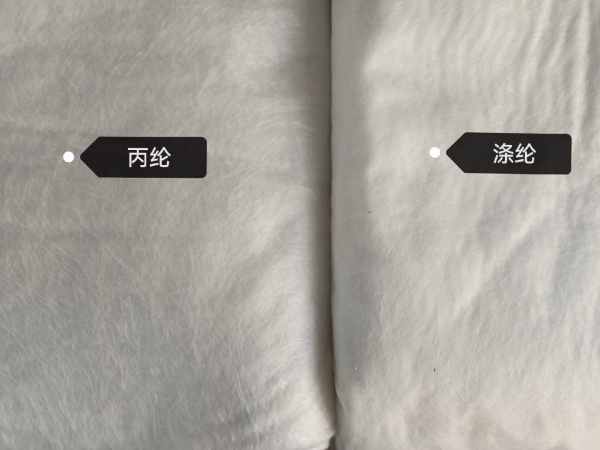
Non-woven geotextiles are manufactured using techniques like needle punching or heat bonding. These methods produce a fabric with a random fiber arrangement, resulting in soft and highly flexible materials suitable for filtration and drainage tasks.
Key Features
High Permeability: Allows excellent water flow, making it ideal for drainage and filtration systems.
Flexibility: Easily conforms to irregular surfaces, making it suitable for challenging terrains.
Moderate Strength: While less strong than woven alternatives, it offers sufficient durability for tasks like separation and filtration.
Common Applications
Drainage Systems: Used in French drains, trenches, and septic systems to filter water efficiently.
Erosion Mitigation: Prevents sediment loss and protects soil surfaces.
Separation Layers: Acts as a barrier to prevent soil and aggregate mixing.
Landfill Liners: Supports drainage and filtration in waste management systems.
GONGJIAN’s non-woven geotextiles are engineered to deliver consistent performance across diverse global applications.
Comparing Woven and Non-Woven Geotextiles
| Aspect | Woven Geotextiles | Non-Woven Geotextiles |
|---|---|---|
| Production | Woven fibers | Needle-punched or heat-bonded |
| Tensile Strength | High | Moderate |
| Water Permeability | Low | High |
| Flexibility | Moderate | High |
| Durability | Excellent | Good |
| Applications | Load support, soil stabilization | Drainage, filtration, erosion control |
Choosing the Right Geotextile
Selecting the right geotextile requires careful evaluation of project needs, material performance, and budget considerations. Key factors to consider include:
Project Requirements:
Use woven geotextiles for load-bearing and soil stabilization tasks.
Opt for non-woven geotextiles when drainage and filtration are the primary objectives.
Soil and Environmental Conditions:
Assess soil properties and external factors like UV exposure, chemical interactions, and biological activity.
Budget:
Woven geotextiles, while more durable, may have a higher upfront cost. Non-woven alternatives are typically more economical for short-term or drainage-focused projects.
GONGJIAN provides tailored recommendations and expert consultations to help clients choose the most suitable geotextile for their specific needs.
Conclusion
Woven and non-woven geotextiles are indispensable for modern construction and engineering, each excelling in distinct applications. Woven geotextiles deliver superior strength and durability, making them ideal for structural and stabilization tasks. Non-woven geotextiles, on the other hand, offer unmatched drainage and filtration capabilities.
As a leading manufacturer and supplier, GONGJIAN ensures global buyers receive high-quality products and expert support. Whether for road construction, drainage systems, or erosion control, GONGJIAN’s solutions empower professionals to achieve their project goals effectively and economically.
Contact GONGJIAN today to explore innovative geotextile solutions tailored to your project needs!


