

Click on the showcase image below to visit the product details page and access a comprehensive and detailed introduction to geocell products.
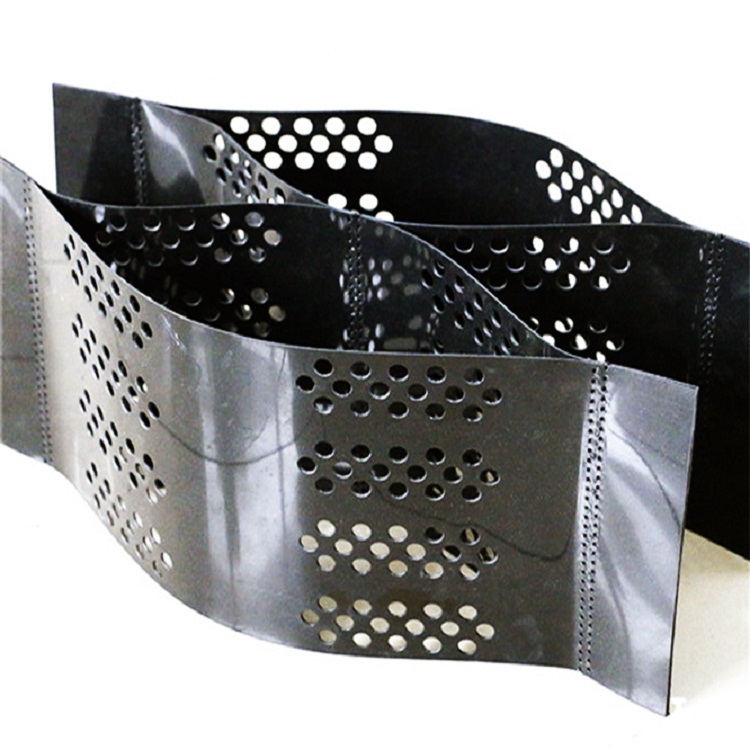
Geocell material, as a revolutionary solution, is widely used in soil stabilization, erosion control, and load distribution across various civil engineering and infrastructure projects. Whether in road construction, slope reinforcement, or environmental management, geocells, with their three-dimensional structure, constrain the infill materials within, providing unmatched performance. This article will define geocell material, highlight its main advantages, explore its widespread applications, and provide practical advice on selecting the right geocell system.
What is Geocell Material?
Geocell material is made of high-density polyethylene (HDPE) or polypropylene (PP) to form a three-dimensional honeycomb structure. These interconnected cells create a flexible and durable confinement system, typically filled with soil, gravel, sand, or other materials. Once deployed and filled, the geocell system helps stabilize the underlying soil and distribute loads, preventing soil displacement and erosion.
The primary function of geocell material is to enhance the load-bearing capacity and stability of weak, unstable, or erosion-prone soils. In areas where traditional soil stabilization methods are difficult to implement or too costly, geocells offer an effective solution. They provide a highly efficient solution for a wide range of applications, offering significant environmental and engineering benefits.
Main Advantages of Geocell Material
1. Enhanced Load-Bearing Capacity
One of the key advantages of geocell material is its ability to significantly increase the load-bearing capacity of soils. The interconnected cells of the geocell structure help evenly distribute weight, which prevents settlement and deformation of weak or unstable soils. This makes geocells an ideal solution for supporting construction sites, gravel roads, and heavy traffic, vehicles, or machinery.
2. Effective Erosion Control and Slope Reinforcement
Geocells are especially effective at controlling erosion, particularly in areas prone to water or wind erosion. By confining infill materials such as gravel or vegetation, geocells reinforce slopes and prevent soil loss, which is critical for maintaining vulnerable terrains such as embankments and riverbanks.
3. Cost-Effective Solution
Compared to traditional soil stabilization methods, geocells provide a more cost-effective alternative. The materials are lightweight and easy to transport, reducing logistics costs. Additionally, the installation process is quicker, which reduces labor and time expenses. By avoiding the use of expensive foundational solutions, geocell materials can save substantial costs in construction projects.
4. Environmental Sustainability
Geocells offer an environmentally friendly solution for soil stabilization and erosion control. They use natural materials like soil, sand, or gravel for infill, reducing the reliance on environmentally destructive materials like concrete. Moreover, geocells' use in erosion control helps protect natural landscapes, minimizing the negative environmental impact of construction activities.
5. Durability and Longevity
Geocells, made of high-density polyethylene (HDPE) or polypropylene (PP), are extremely durable and can resist environmental stresses such as UV radiation, moisture, and extreme temperatures. This ensures that geocell systems continue to function effectively for many years, even in harsh environments.
Applications of Geocell Material
Geocell material is used across a range of industries and various projects. Here are some of the most common applications:
1. Road Construction
Geocells are commonly used in gravel road construction projects to reinforce weak subgrade soils and improve the load-bearing capacity of the roadbed.Therefore, geocells are a common choice for gravel roads and other infrastructure projects.
2. Slope Protection and Erosion Control
Geocells are highly effective in slope protection and erosion control, especially in areas with heavy rainfall or steep terrain. By filling geocells with gravel or vegetation, a stable and erosion-resistant surface is formed, preventing soil loss and reducing the risk of landslides or washouts.
3. Retaining Walls and Embankment Construction
Geocells can be used in retaining wall and embankment construction to help reinforce soil and prevent sliding. Their confinement system enhances the strength of the soil, providing structural support for embankments and preventing soil movement in critical areas.
4. Soil Stabilization in Construction
In construction projects with weak or expansive soils, geocells help stabilize the foundation by confining the soil and preventing displacement. This makes geocells ideal for constructing foundations, sub-bases, and other structures on weak or unstable soils.
5. Green Infrastructure and Stormwater Management
Geocell material is also used in green infrastructure projects, such as permeable pavements and stormwater management systems. The structure of geocells allows water to permeate through the surface, reducing runoff and aiding in flood management. This makes geocells a vital component in sustainable urban development and low-impact design (LID) solutions.
How to Choose the Right Geocell Material for Your Project
Selecting the right geocell system requires considering several factors, including soil conditions, load requirements, and environmental conditions. Here are a few key points to consider when choosing a geocell system:
1. Material Type
Geocells are primarily made from HDPE or polypropylene (PP). Due to its high strength, flexibility, and resistance to environmental degradation, HDPE is the most common choice. If the project requires additional strength or chemical resistance, polypropylene may be a more suitable option. Choose the material based on the environmental conditions and durability requirements of your project.
2. Cell Size
The size of the geocell's cells directly affects its load-bearing capacity and suitability. Smaller cells provide stronger support and stability; on the other hand, larger cells offer less support. Therefore, for higher-demand projects, it is recommended to choose geocell systems with smaller cells to achieve better support and stability.
3. Infill Materials
Depending on the project requirements, geocells can be filled with different materials. Common infill materials include soil, gravel, sand, or even concrete. Gravel is typically used in road construction, while plants may be a better choice for slope reinforcement and erosion control. Choose the geocell system based on the expected application and the characteristics of the infill material.
4. Installation and Maintenance
Compared to traditional soil stabilization methods, geocell systems are relatively easy to install. However, to ensure long-term performance, regular maintenance is required for the geocell system and its infill materials. Periodic checks for erosion or displacement of infill material should be made and adjusted as necessary.
Conclusion
Geocell material is an innovative and effective solution that enhances soil stability, prevents erosion, and distributes loads across various civil engineering and infrastructure projects. Its versatility, cost-effectiveness, and environmental benefits make it a popular choice for engineers, contractors, and environmental managers.
Whether you are working on gravel road construction, slope reinforcement, or stormwater management, geocells provide reliable, durable, and sustainable solutions. By incorporating geocell systems into your projects, you can reduce costs, improve performance, and promote the development of resilient infrastructure.
GONGJIAN is an industry-leading manufacturer and supplier of geocell products.If you need more information or wish to discuss how geocell material can benefit your project, feel free to contact us. Our expert team will help you find the most suitable geocell solution for your needs.