


Geogrid Types
1. By Production Process:
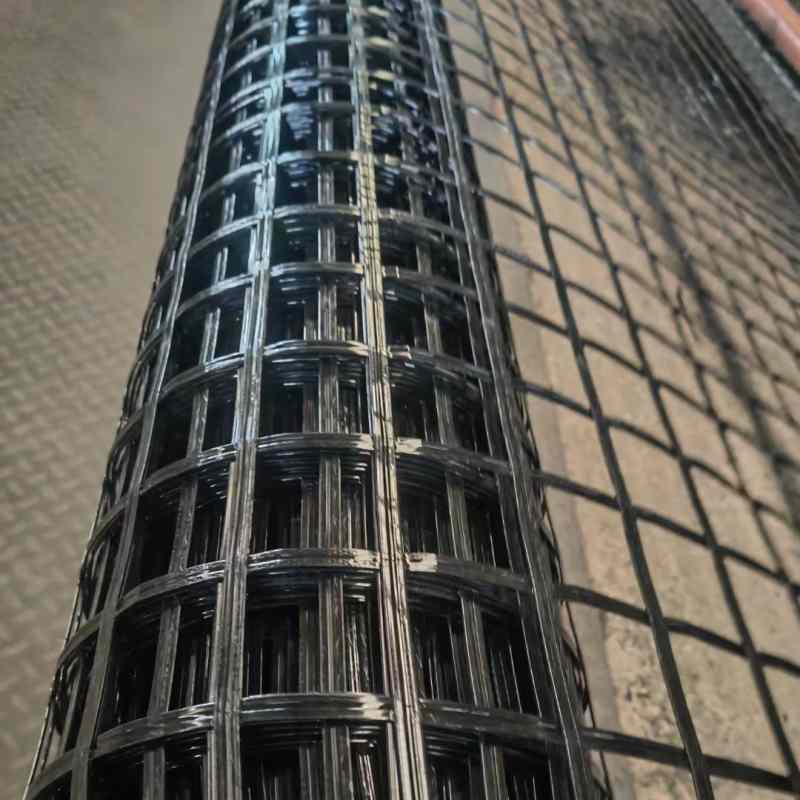
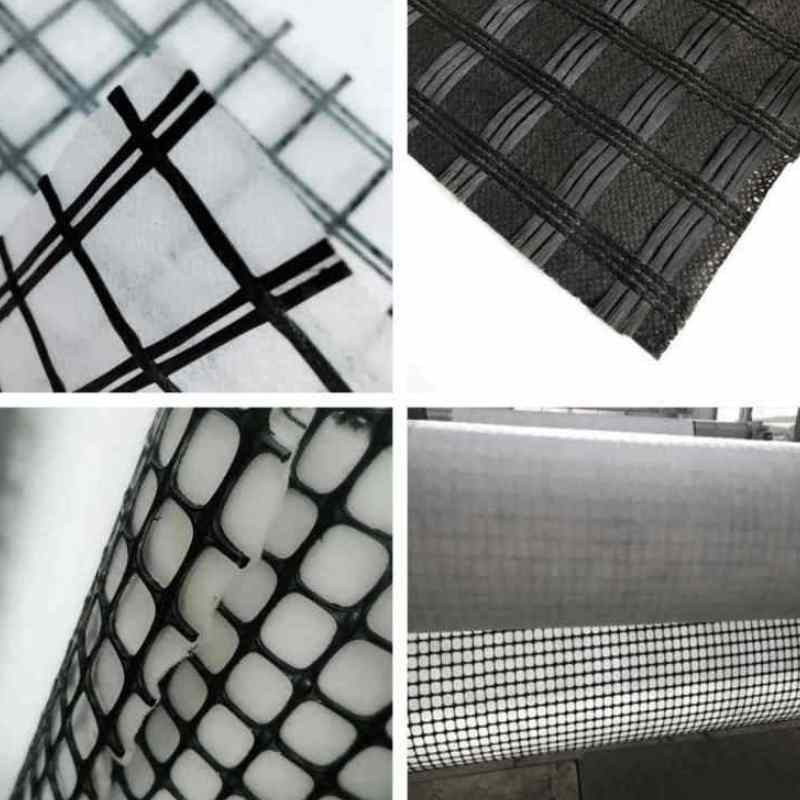
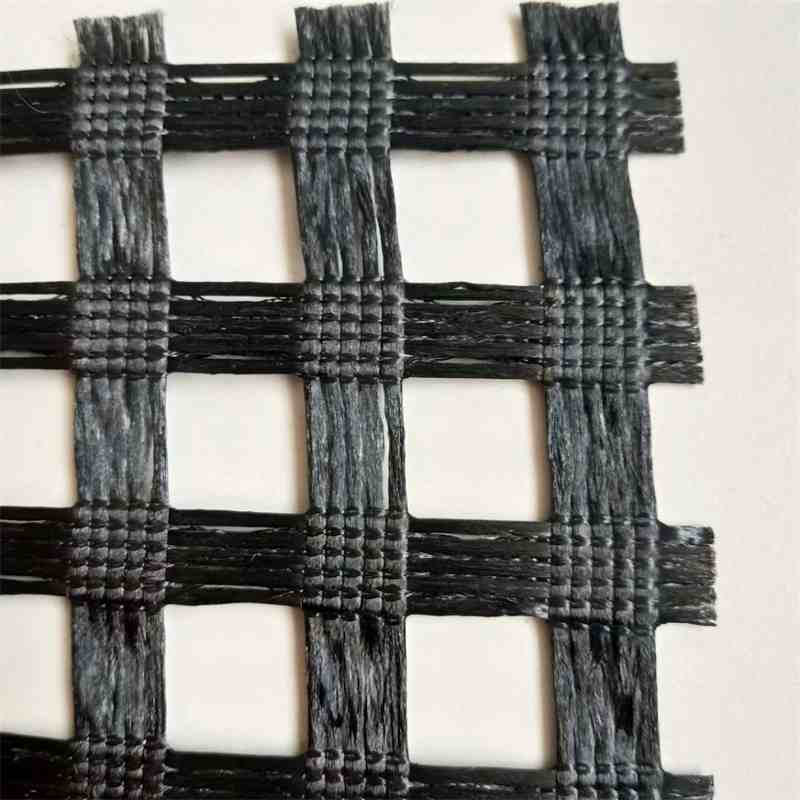
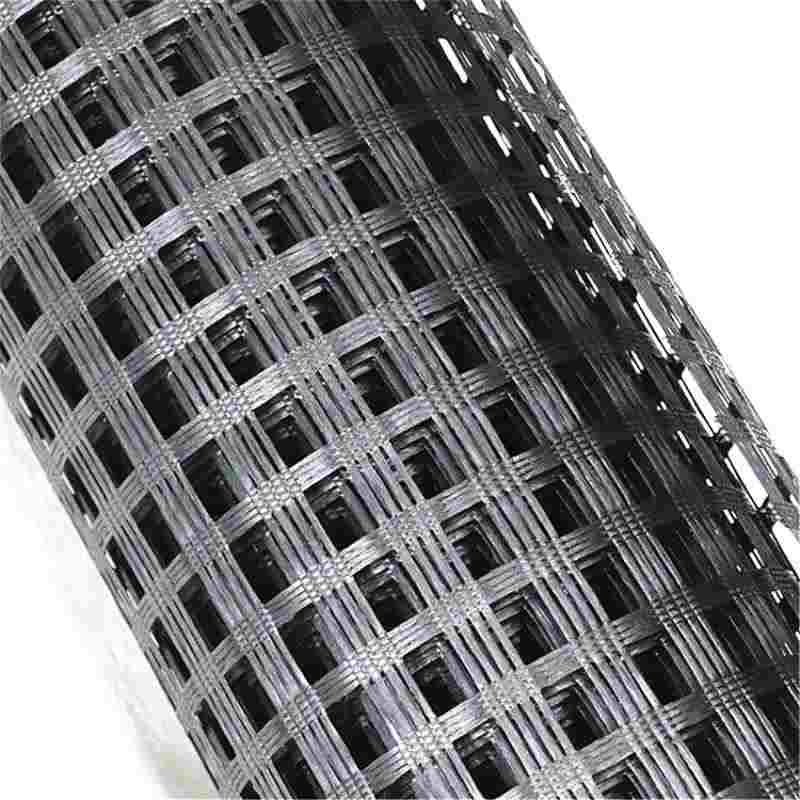
• Warp Knitted Geogrids: These are made from glass fiber yarn or polyester fiber yarn. The yarn is woven in both the vertical and horizontal directions using a warp knitting machine to form a basic mesh material. This design leverages the strength of the yarn in the fabric to provide tensile strength, tear strength, and creep resistance. The geogrids are then coated with prefabricated latex through a special process. This category includes glass fiber geogrids and polyester geogrids.
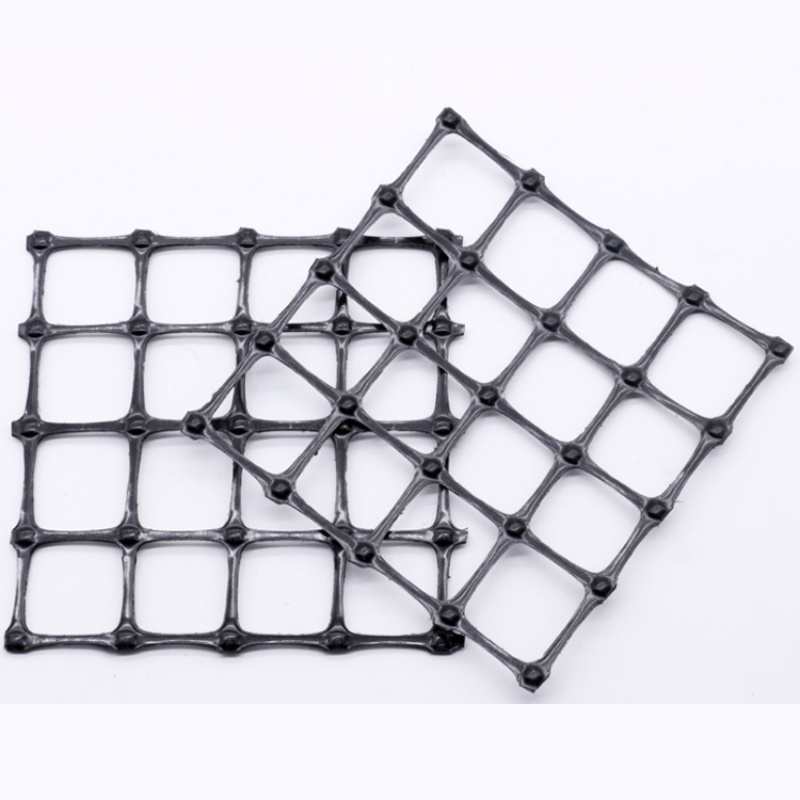
• Plastic Tensile Geogrids: Made from polypropylene (PP) or polyethylene (PE) through extrusion, punching, stretching, and other processes. Uniaxial tensile plastic geogrids are stretched only in the longitudinal direction, while biaxial tensile plastic geogrids are stretched in both longitudinal and transverse directions, ensuring equal tensile force in both directions.
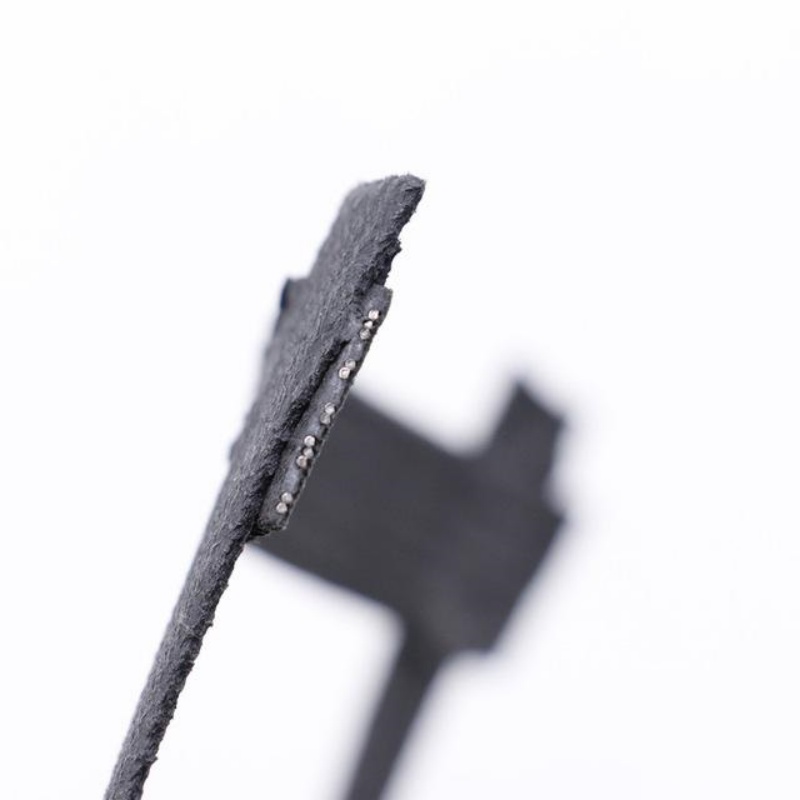
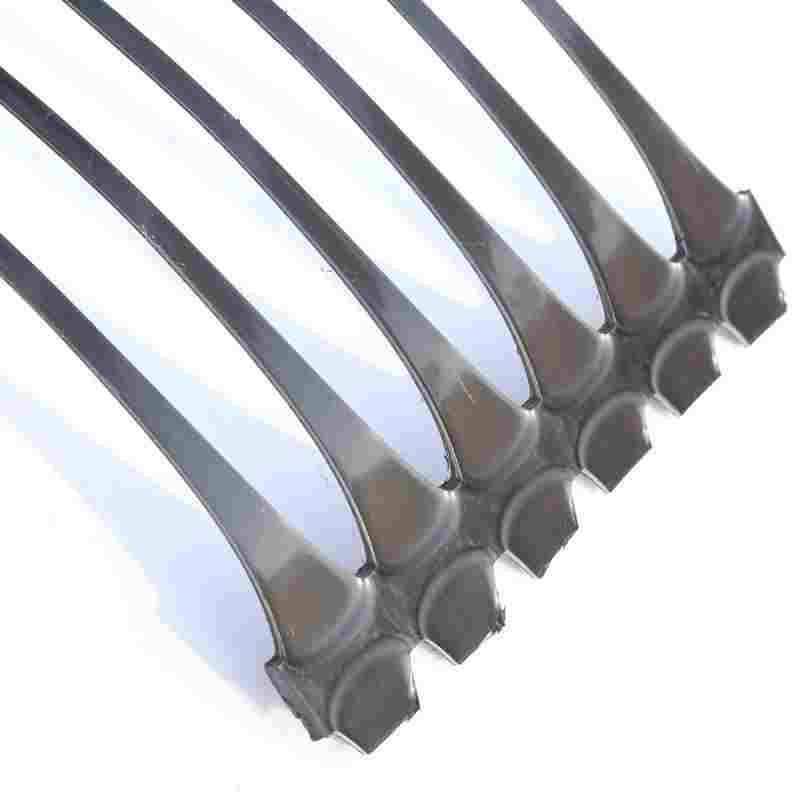
• Welded Composite Geogrids: Primarily represented by steel-plastic geogrids and plastic welded geogrids. Steel-plastic geogrids use high-strength steel wire and polyethylene (PE) as base materials, combined with other anti-corrosion and anti-aging components. These materials are formed into plastic-coated steel wire strips through special processes. The strips are arranged at certain intervals and welded using fusion welding technology with special strengthened bonding. The main difference between plastic welded geogrids and steel-plastic geogrids is the material. Plastic welded geogrids are made from strips of polypropylene (PP).
2. By Tensile Direction:
• Biaxial Geogrids: These geogrids have tensile strength in both the longitudinal and transverse directions.
• Uniaxial Geogrids: These include uniaxial tensile plastic geogrids, which are stretched only in the longitudinal direction.
• Specialty Geogrids: Warp knitted and welded geogrids can be designed to have varying levels of tensile in the vertical and horizontal directions to meet specific project needs.
Advantages of Geogrids in Materials
• Performance Benefits: Geogrids enhance reinforcement, earthquake resistance, crack prevention, and uneven settlement prevention in various applications, including subgrade and pavement reinforcement and retaining wall support. Compared to materials like concrete, geogrids offer superior performance, reduce manpower requirements, and improve overall construction efficiency. They also extend the service life of infrastructure and lower overall construction costs, with construction benefits increasing by 30% to 50% in different projects.
• Seismic Performance: Infrastructure utilizing geogrid reinforcement technology exhibits excellent seismic performance. This has been recognized by governments worldwide and contributed to the global growth of geogrids. During significant earthquakes, such as the Hanshin earthquake in Japan, the Northridge earthquake in the United States, the El Salvador earthquake in the Americas, and the Wenchuan earthquake in China, infrastructure reinforced with geogrids generally performed well, confirming their seismic reliability.
Applications of Various Geogrids
• Roads and Pavements: Different types of geogrids are used for reinforcing the subgrade and pavement of roads, railways, municipal roads, and other infrastructure. They effectively improve the strength of the subgrade and pavement, extending the lifespan of the roads.
• Water Conservancy Projects: Geogrids are used to reinforce, isolate, and strengthen the soft soil foundation of dykes and rivers, enhancing protection capabilities and improving the bearing capacity and stability of the foundation.
• Embankment and Retaining Walls: Geogrids are used for reinforcing embankment slopes and retaining walls, enhancing overall strength.