
Warp Knitted Biaxial Glass Fiber Geogrid-A Key Material to the Long-Lasting Asphalt Pavement Performance
Overview:
In this article, we aim to provide you with a comprehensive and user-friendly dictionary-style product introduction. As a supplier, manufacturer, and exporter of warp knitted fiberglass geogrids,our goal is to help you easily grasp key points about fiberglass geogrid and understand its crucial information in road engineering. Whether you are encountering this product for the first time or seeking further technical details, we strive to offer clear and practical information to assist you in making informed decisions regarding the selection and application of fiberglass geogrid.
Quick Navigation: Jump to the sections you care about!
Production Process of Fiberglass Geogrid
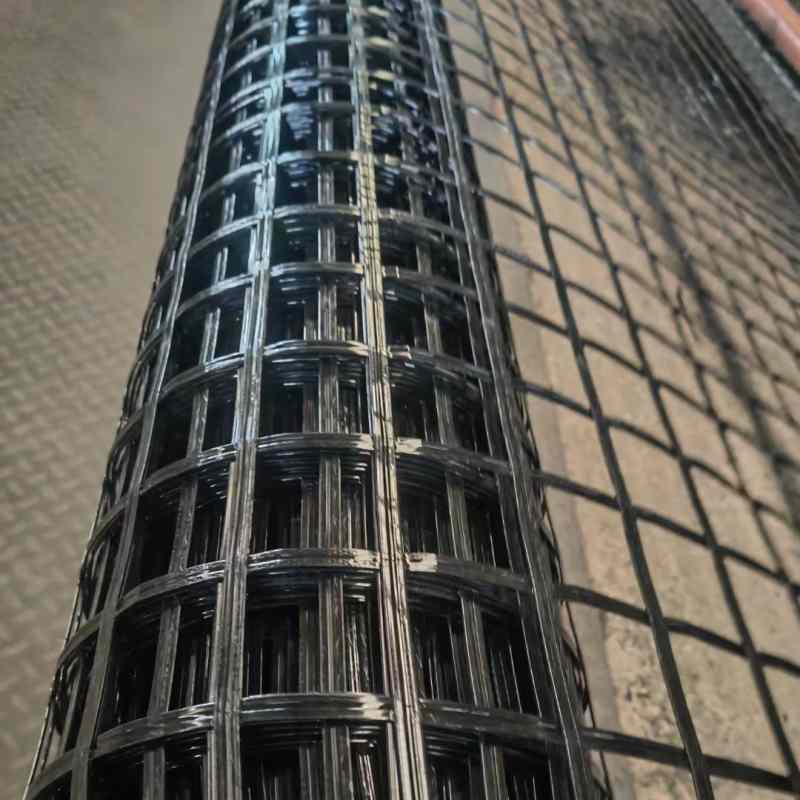
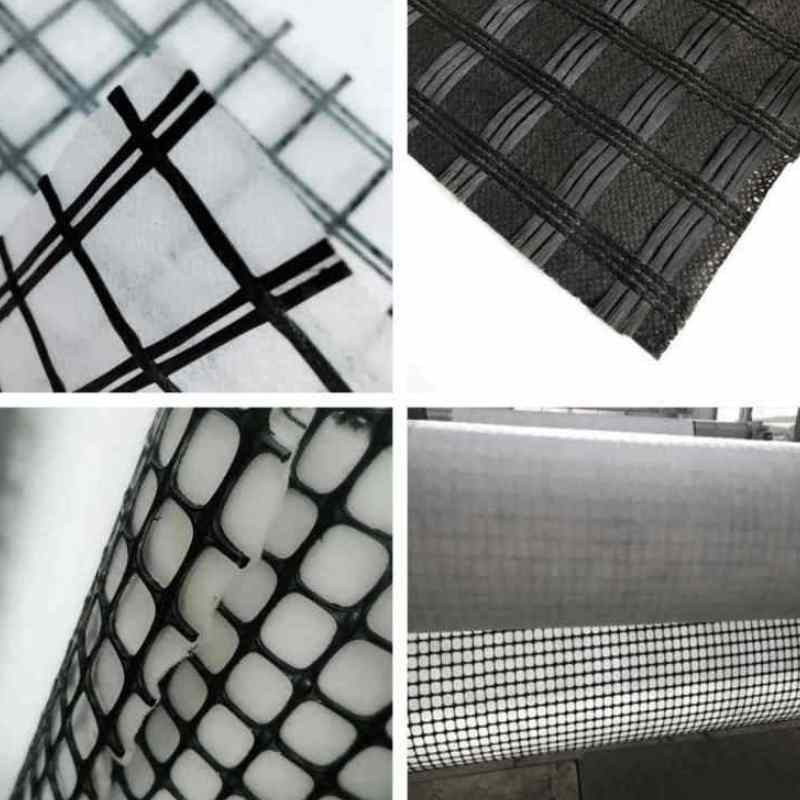
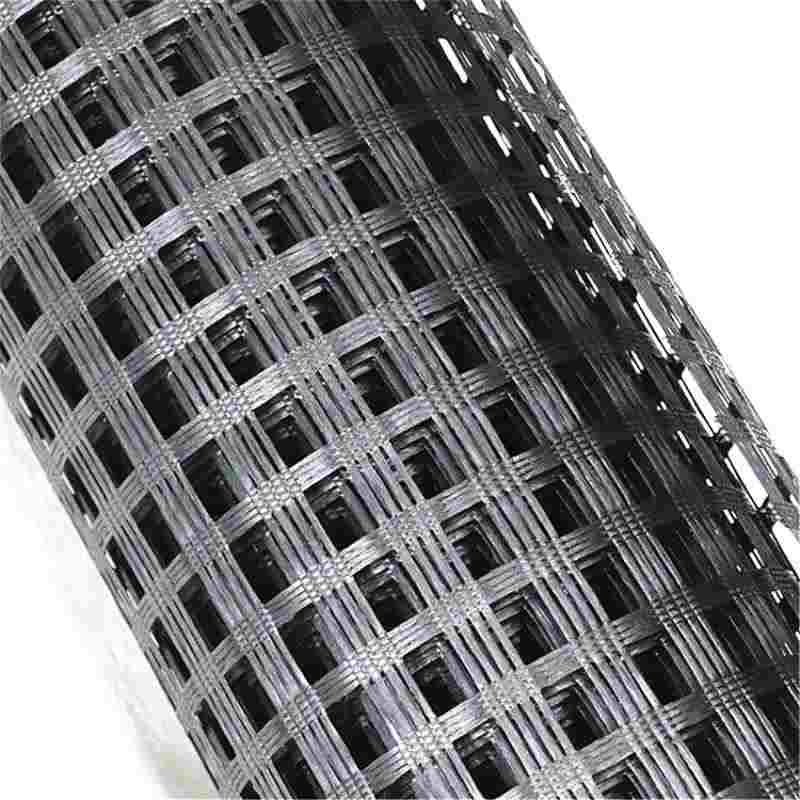
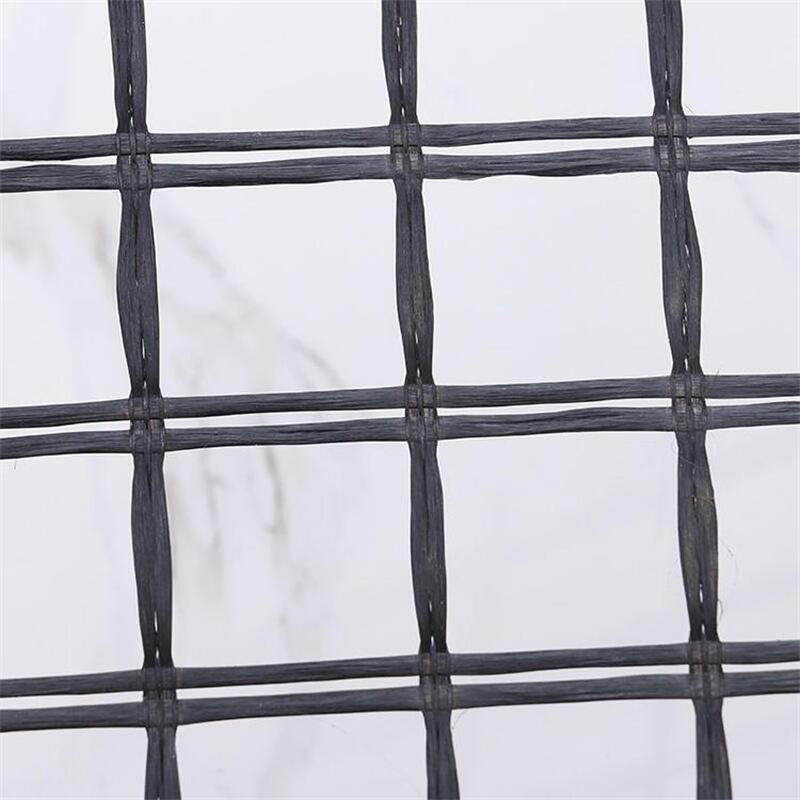
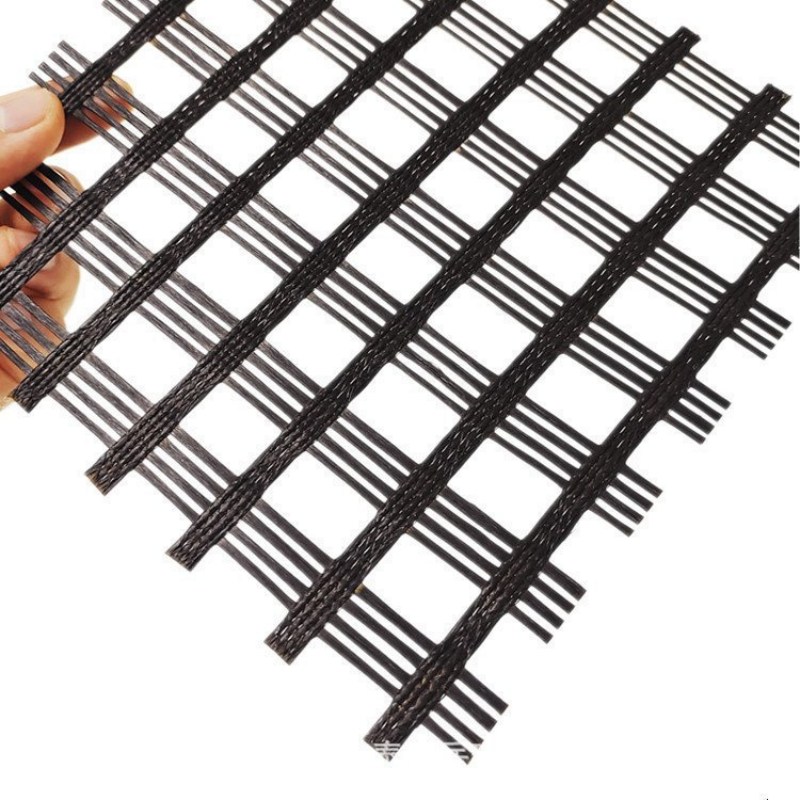
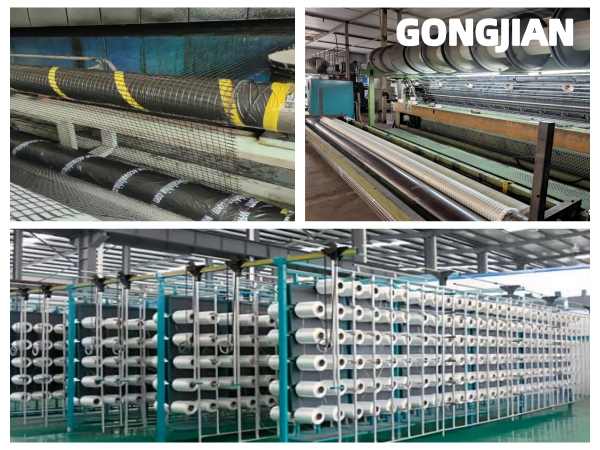
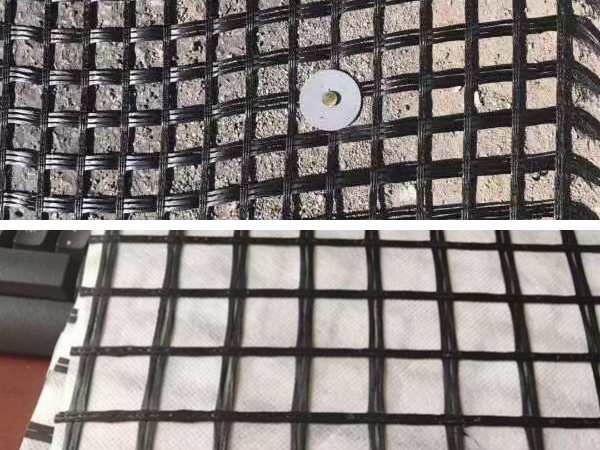
The primary raw material for fiberglass geogrid is glass fiber yarn, which is coated with a prefabricated asphalt emulsion. Fiberglass geogrid falls under the category of warp-knitted geogrid. It uses a warp knitting machine to weave the glass fiber yarn into a base fabric with a fixed mesh size. A layer of polymer coating is then applied to the surface of the glass fiber fabric to enhance its properties. The polymer coating consists of asphalt and other additives. After the coating process, the fiberglass fabric becomes a warp knitted fiberglass geogrid, which integrates better with asphalt during construction due to this coating.
Regarding the Number of Yarns in Biaxial Fiberglass Geogrid
-
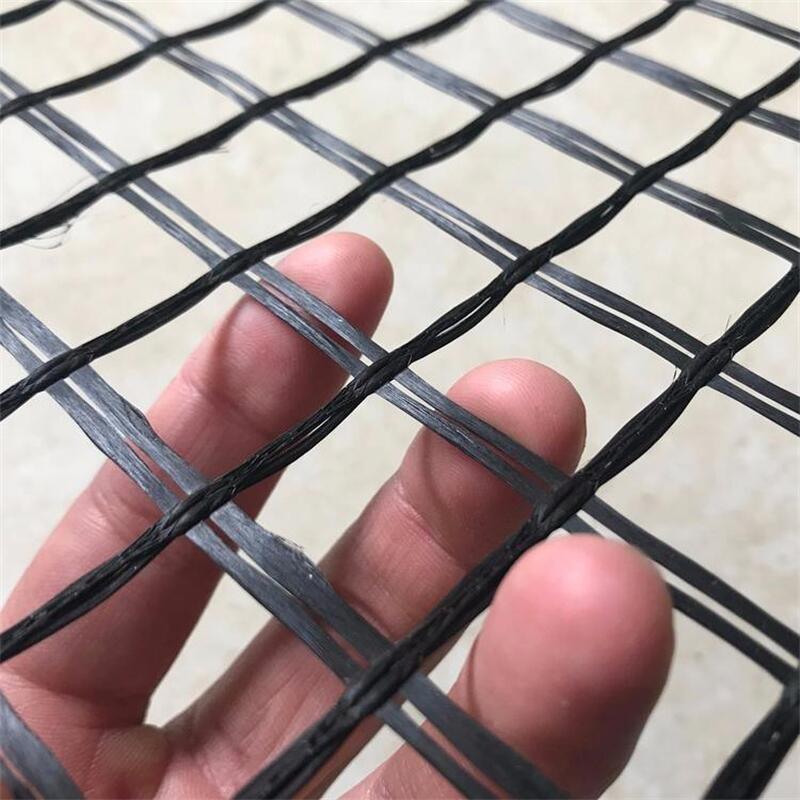
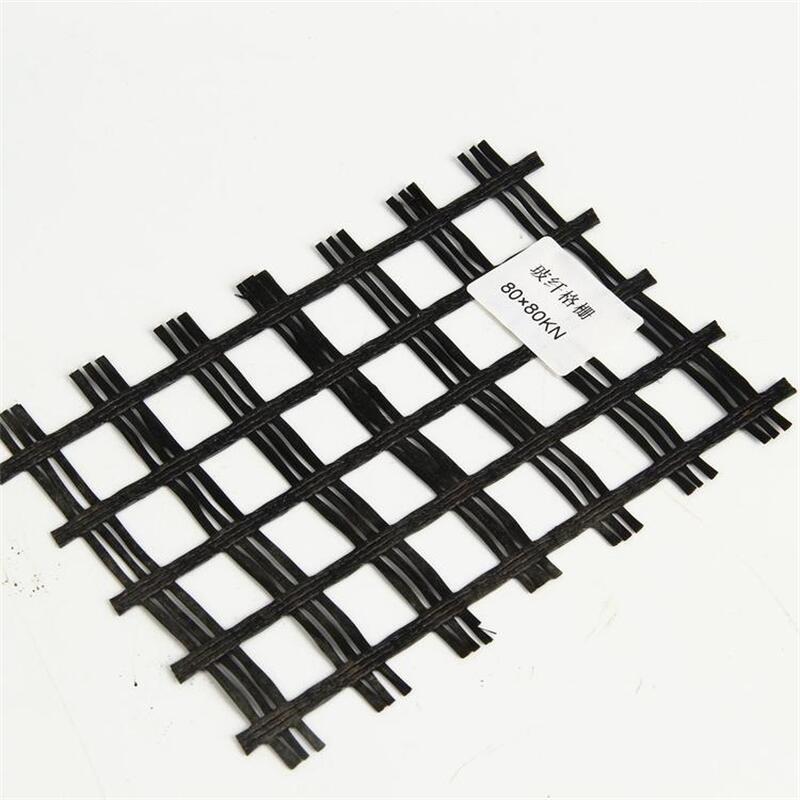
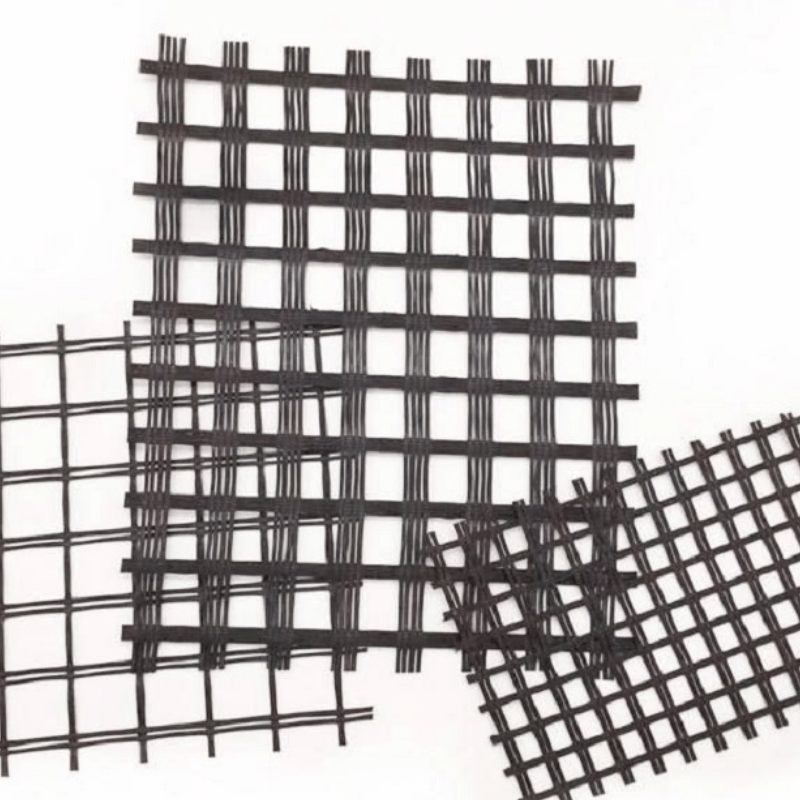
Bidirectional fiberglass geogrid of the same specification can have different yarn quantities. For example, an 80-80K bidirectional fiberglass geogrid can have either two warp and two weft yarns or three warp and three weft yarns, though all are rated 80-80KN. Coarse yarns have higher tension compared to fine yarns. If the tension of two coarse yarns equals the tension of three fine yarns, their specifications and performance parameters are identical, and the price is the same, as geogrids are sold based on specifications.
-
Biaxial warp knitted fiberglass geogrids can have various configurations, such as double warp and double weft (two yarns in both directions), three warp and three weft, four warp and four weft, and even five warp and five weft for high specifications. The number of yarns in the vertical and horizontal directions does not need to be the same. Even if a bidirectional geogrid requires equal tensile force in both directions, different manufacturing processes can be used, such as three fine longitudinal yarns and two coarse transverse yarns. Although the number of yarns differs, the tensile force in both directions can be the same. While theoretically possible, this practice is rare due to the complexities it introduces in equipment adjustment and its abstract appearance.
-
Specifications with different tensile forces in two directions can be produced, such as 100-200KN, which might use four warp and six weft yarns. Unidirectional tension can also be produced, where one direction meets the normal design requirements while the other direction has very low tension. This is common in China, where if design drawings are not clear about requiring a bidirectional geogrid or if specifications are written as 80KN instead of 80-80KN, some may exploit this to increase project profits.
Note:In most cases,glass fiber geogrid refers to biaxial glass fiber geogrid. In the article, the term fiberglass geogrid specifically denotes biaxial fiberglass geogrid unless otherwise specified.
Why Do Only a Few Countries Have Production Lines for Fiberglass Geogrids?
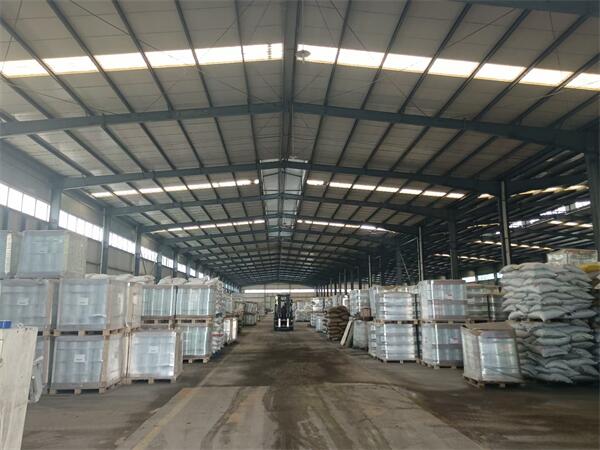
The production line for fiberglass geogrid is more expensive compared to other geosynthetic materials. A single fiberglass geogrid production line can cost as much as several production lines for other materials. After investing in a production line, the primary consideration is when the investment cost will be recovered. In countries with smaller land areas,domestic demand may not support the production line, international exports may be hindered by other conditions, and inadequate upstream industry support, production technology, and talent constraints may prevent them from achieving production advantages.
Principle of Fiberglass Geogrid Products
The working principle of fiber glass geogrid is based on its high strength, low elongation, and composite performance with asphalt mixtures. Firstly, fiberglass geogrid has high tensile strength and tear resistance, effectively resisting deformation and cracking of the road surface. Secondly, its low elongation allows the grid to quickly recover its original shape under external forces, maintaining road smoothness and stability. Additionally, fiberglass geogrid has good compatibility with asphalt mixtures, forming a tight composite that enhances the bearing capacity and shear resistance of the road surface. In practice, fiberglass geogrid significantly reduces reflective cracks and ruts in asphalt pavements, improving the pavement's service life and safety.
Characteristics of Fiberglass Geogrid Products
-
High Strength and Low Elongation:Fiberglass geogrids are made from high-strength fiberglass, offering exceptional tensile strength and low elongation (usually less than 3%). This means the asphalt pavement geogrid maintains its shape under external forces and is less prone to stretching, thereby significantly enhancing the overall load-bearing capacity and stability of the pavement. This is crucial for reducing deformation and damage caused by vehicle loads.
-
Excellent Resistance to High and Low Temperatures:The melting temperature of alkali-free fiberglass exceeds 1000°C, ensuring stability in high-temperature environments. Its good low-temperature resistance also maintains performance in cold regions. Pavements reinforced with fiberglass geogrids can withstand climate-induced stresses, ensuring consistent performance under various harsh environmental conditions.
-
Good Composite Performance with Asphalt Mixtures:The post-treatment process for fiberglass geogrids involves coating materials specifically designed for asphalt mixes. This ensures high compatibility between the geogrid and the asphalt, with each fiber fully coated and tightly bonded to the asphalt. This compatibility not only improves the bond strength between the geogrid and asphalt but also minimizes separation, enhancing the overall performance of the pavement.
-
Easy to Construct and Reliable Quality: Fiberglass geogrids are lightweight and flexible, making them easy to cut and connect on-site. The unique production process ensures product quality stability and reliability.
-
Enhanced Crack Mitigation and Stress Distribution:One of the critical roles of asphalt pavement reinforcement geogrid is its ability to mitigate cracks and distribute stress across the pavement structure. By intercepting and redistributing tensile stresses caused by traffic loads or temperature fluctuations, the asphalt pavement reinforcement geogrid prevents reflective cracking and surface layer deformation. This is particularly important in regions with high temperature variability or heavy traffic, where stress concentrations can lead to premature pavement failure.
-
No Long-Term Creep: Unlike some polymer materials, fiberglass exhibits excellent creep resistance. This means fiberglass geogrids maintain their size and shape over time without significant creep deformation. This property ensures that the geogrid provides long-term reinforcement, offering enduring support for the pavement.
-
Cost Efficiency: Using fiberglass geogrids for pavement reinforcement not only improves load-bearing capacity and stability but also reduces overall project costs. The reinforcement extends the pavement's lifespan, decreases maintenance frequency and costs, and due to the ease and efficiency of installation, further reduces construction costs. Thus, from an economic perspective, fiberglass geogrids offer significant advantages.
Potential Issues Without Fiberglass Geogrid Reinforcement:
-
Decreased Load-Bearing Capacity: Without asphalt pavement geogrid reinforcement, the load-bearing capacity of the pavement structure layer may significantly decrease. External factors such as vehicle loads, temperature fluctuations, and humidity changes can cause the pavement material to deform, crack, or deteriorate more easily, reducing its lifespan.
-
Reduced Stability: Without the added stability provided by fiberglass asphalt geogrids, the pavement is more likely to experience settlement, deformation, or displacement under vehicle loads and traffic flow. This not only affects driving comfort and safety but also accelerates pavement damage and wear.
-
Increased Cracks and Reflective Cracking: Without the reinforcing effect of fiberglass geogrids, cracks in the base or underlying layers of the pavement are more likely to reflect to the surface layer. These cracks not only affect the pavement's appearance but also increase the risk of moisture infiltration and further structural damage.
-
Higher Maintenance Costs: The reduced load-bearing capacity and stability, along with the increased number of cracks and reflective cracking, will result in higher maintenance frequency and costs. This impacts the road's normal use and increases traffic management challenges and costs.
-
Increased Safety Risks: Uneven, cracked, or damaged pavements reduce driving safety and stability, increasing the risk of traffic accidents. Additionally, construction areas during pavement repairs can affect traffic flow, increasing congestion and delays.
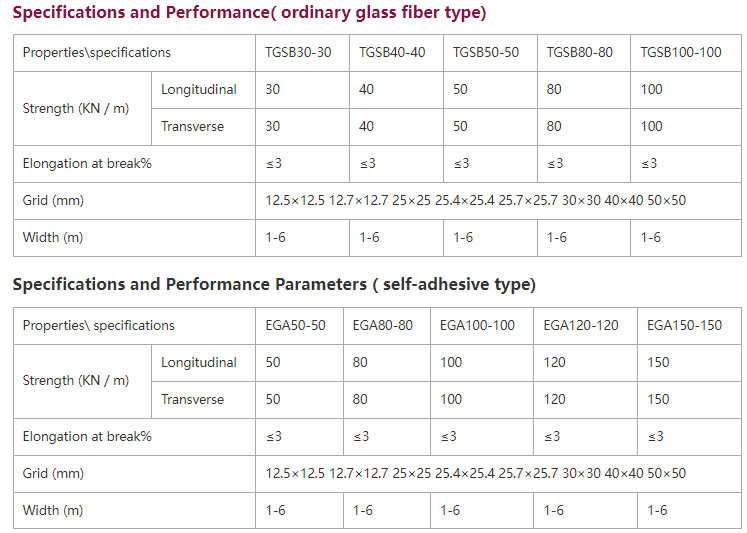
Specifications and Performance( ordinary glass fiber type)
Application of Fiberglass Geogrid
-
Widely used in road maintenance and enhancement, such as repairing old cement pavements, airport runways, and reinforcing road and bridge surfaces.
-
In the reconstruction of cement pavements into composite pavements and road expansion projects, fiberglass geogrid effectively prevents uneven settlement and cracking at the junctions of new and old pavements.
-
Used in the construction and treatment of various asphalt pavements.
Construction Method of Fiberglass Geogrid in Asphalt Pavement
-
Cleaning and Leveling of Old Road Surfaces: Thoroughly clean the old road surface before construction and level any local potholes or severely uneven sections.
-
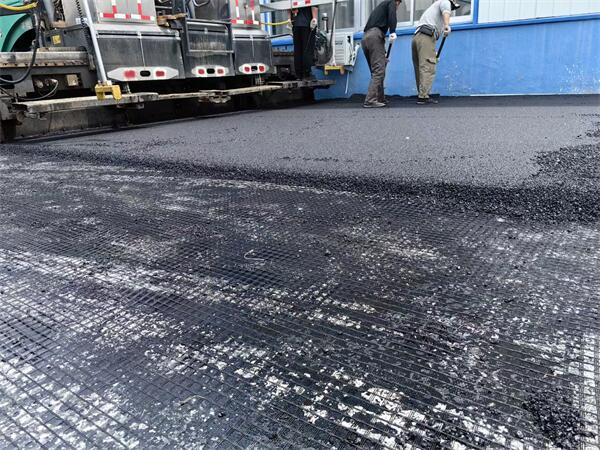
Fiberglass Grid Tensioning: When laying the fiber glass geogrid, fix one end with a fastener and then tighten mechanically or manually. The elongation should be 1.0%–1.5%, with the other end fixed with a fastener. Fasteners include fixing nails and iron sheets. Nails can be cement nails, injection nails, or expansion screws, with a length of 8-10cm and a diameter of 6mm; iron sheets can be 1mm thick and 3cm wide.
-
Overlapping and Fixing of Fiberglass Geogrid: Horizontally overlap the fiberglass mesh by 8-10cm, with the rear end pressed below the front end according to the paving direction; vertical overlap should be 5-8cm. The horizontal overlap should be fixed with a fastener; longitudinal overlap can be fixed with nylon rope or lead wire, with a fixing distance not exceeding 1.5m. Geotextiles should be horizontally overlapped by 5-10cm, with the rear end pressed below the front end according to the paving direction; longitudinal overlap should be 5-15cm. Horizontal overlap should be fixed with a fastener, and longitudinal overlap can be bonded with adhesive layer oil.
-
Applying Adhesive Layer Oil: Lay the fiberglass mesh first, then apply hot asphalt as the adhesive layer oil. The amount of adhesive layer oil per square meter should be about 0.4–0.6kg. For geotextiles, apply a layer of adhesive oil first, with a dosage of about 0.3–0.4kg per square meter, then lay the geotextile, and finally apply another layer of adhesive oil, with a dosage of about 0.4–0.6kg per square meter.
-
Construction of Asphalt Surface Layer: The construction method of the asphalt surface layer is the same as for ordinary asphalt pavements, but construction vehicles should not drive on the fiberglass geogrid surface. If the asphalt paver wheels slip during paving, sprinkle stone chips on the surface of the adhesive layer oil, with a dosage of (3-5) m/1000m.
-
Post-Installation Care: After installing the asphalt fiberglass geogrid, strictly control the entry and exit of vehicles transporting the mixture. Vehicles should not make sudden turns, brake abruptly, or dump mixture on the geogrid layer to prevent damage. On the same day as the grid installation, cover all fiberglass geogrid with asphalt concrete to prevent damage from passing vehicles.
Why Are Warp-Knitted Fiberglass Geogrids from China Leading the Global Market?
When it comes to warp-knitted fiberglass geogrids, China stands out as the leading supplier in the global market. This dominance is no coincidence—it’s the result of a well-established manufacturing ecosystem, competitive pricing, and strategic positioning.
Global Demand for Warp-Knitted Fiberglass Geogrids
Key Regions Driving Growth
The global demand for warp-knitted fiberglass geogrids is growing rapidly, fueled by infrastructure development and sustainability initiatives.
-
Asia-Pacific: This region dominates the market, accounting for over 50% of global demand. Large-scale infrastructure projects in China, India, and Southeast Asia drive demand for cost-effective geosynthetics solutions.
-
North America and Europe: Aging infrastructure and stringent regulations promoting sustainable materials ensure steady demand. Buyers in these regions prioritize quality, certifications, and supplier reliability.
-
Middle East and Africa: Rapid urbanization and mega-projects, especially in GCC countries, are creating opportunities for geosynthetics to address soil stabilization and road construction needs.
Increasing Applications Across Industries
While warp-knitted fiberglass geogrids are commonly associated with road and asphalt reinforcement, their applications are expanding to railway construction, retaining wall stabilization, and erosion control. These additional uses are contributing to the material’s growing popularity worldwide.
Why Is China Dominating the Market for Warp-Knitted Fiberglass Geogrids?
-
Scale of Production
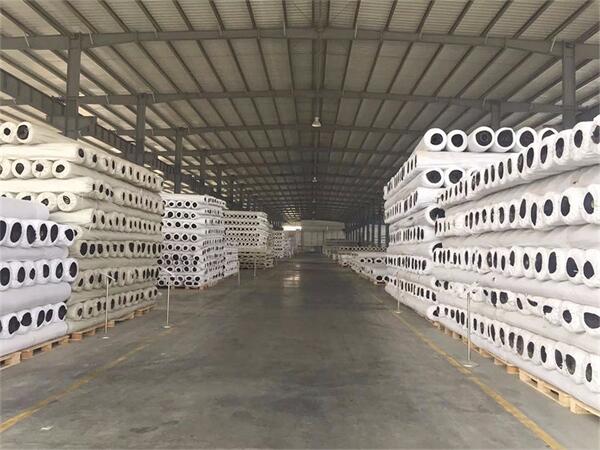
China’s production capacity for warp-knitted fiber glass geogrids is unmatched globally. This allows Chinese manufacturers to produce large volumes efficiently, offering a wide range of specifications to meet diverse project requirements.
-
Competitive Pricing with Quality Assurance
Chinese manufacturers leverage economies of scale and government incentives to maintain competitive pricing. Despite lower costs, many factories adhere to international standards like ISO, ASTM, and CE, ensuring product reliability and trustworthiness.
-
Technological Advancements
China has heavily invested in state-of-the-art warp-knitting machinery and automation, leading to improved consistency and production efficiency. Modern facilities in regions such as Jiangsu, Zhejiang, and Shandong are well-equipped to fulfill international orders with precision.
-
Robust Supply Chain and Export Focus
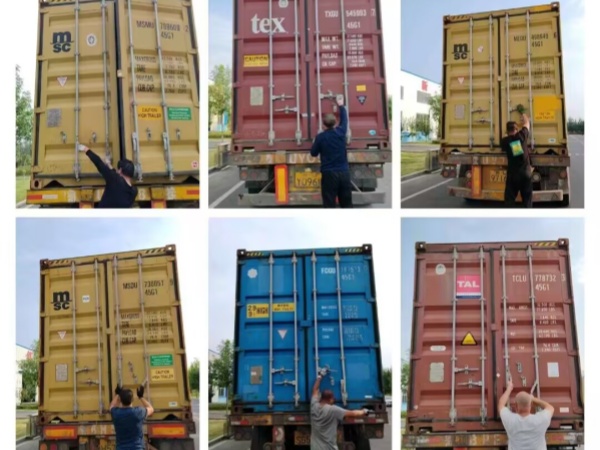
China’s mature export infrastructure ensures seamless delivery to global markets. Strategic partnerships with logistics providers and distributors minimize delays, making Chinese manufacturers reliable partners for international buyers.
How to Choose a Supplier of Warp Knitted Fiberglass Geogrid
Evaluating Suppliers in the Global Market
When sourcing warp-knitted glassfiber geogrids, buyers should prioritize:
-
Certifications and Quality Standards: Ensure compliance with ISO and ASTM standards.
-
Production Capacity: Opt for suppliers with proven scalability to meet project needs.
-
Technical Support: Look for manufacturers offering robust pre-sale and post-sale support.
Balancing Price and Performance
While Chinese manufacturers offer cost advantages, buyers must evaluate long-term durability and performance to maximize their return on investment.
Conclusion:
Through an in-depth analysis of biaxial fiberglass geogrid, we highlight its significant advantages in enhancing road structural stability and extending the lifespan of asphalt pavements. Its high strength, low elongation, and excellent compatibility with asphalt mixtures make it an ideal choice for asphalt pavement repair and reinforcement. This article provides a detailed explanation of all aspects of fiberglass geogrid, from production processes to application guidelines. We believe this information will help you effectively utilize this technology in your projects to improve engineering quality. If you have any further questions or needs regarding fiberglass geogrid, please feel free to contact us, and we will be pleased to assist you.