

What is a Biaxial Geogrid?
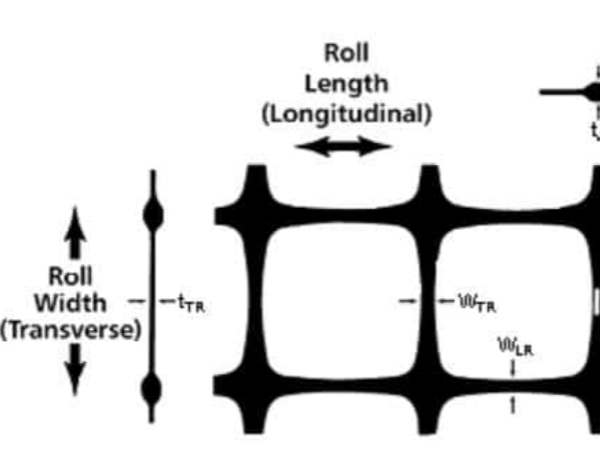
A biaxial geogrid is a soil reinforcement material commonly used in civil engineering projects. It is characterized by its ability to provide equal tensile strength in both the longitudinal and transverse directions, which allows it to effectively distribute loads and increase soil stability. Biaxial geogrids are typically made from high-strength plastics, synthetic fibers, steel, or fiberglass and are widely used for foundation stabilization, road and railway construction, embankment reinforcement, and landfill projects.
Main Types of Biaxial Geogrids
1:Warp-Knitted Geogrids
Warp-knitted geogrids are made by weaving synthetic fibers, such as polyester (PET) or fiberglass (GF), into a mesh structure. They offer high tensile strength and durability, making them suitable for various applications.
Polyester (PET) Warp-Knitted Geogrids: Ideal for wet or low-corrosive environments, offering good UV resistance and chemical corrosion protection. Commonly used in soft soil reinforcement projects.
Fiberglass (GF) Warp-Knitted Geogrids: These offer even higher tensile strength and excellent high-temperature resistance, making them suitable for applications with extreme conditions.:
2:Welded Geogrids
Welded geogrids are formed by welding synthetic fibers or steel wires at the intersections to create a robust, stable mesh structure. These geogrids provide excellent load-bearing capacity.
Steel-Plastic Welded Geogrids: Suitable for high-load, high-pressure environments such as highways, railways, and embankments.
Polyester Welded Geogrids: These geogrids are corrosion-resistant and are used in areas with high moisture content or corrosive environments.
3:Extruded Geogrids
Extruded geogrids are made by stretching plastic films such as polypropylene (PP) or polyester (PET). They are flexible and suitable for large-scale soil reinforcement.
Polypropylene (PP) Extruded Geogrids: These geogrids are cost-effective and ideal for low-load applications such as agricultural engineering and low-load road reinforcement.
Polyester (PET) Extruded Geogrids: These geogrids offer better temperature and chemical resistance, making them suitable for specific environmental conditions.
Main Applications of Biaxial Geogrids:
1:Road and Railway Reinforcement
Biaxial geogrids are commonly used in road and railway construction to improve foundation strength and stability. They help distribute loads and reduce soil settlement, ensuring long-term durability of transportation infrastructure.
Recommended Types: For high-load applications such as highways and railways, steel-plastic welded geogrids and polyester warp-knitted geogrids are ideal due to their high tensile strength and corrosion resistance.
2:Embankment and Retaining Wall Reinforcement
In the construction of embankments and retaining walls, biaxial geogrids provide the necessary support to prevent soil slippage and structural deformation. They enhance soil compression strength and reduce the impact of external forces like water pressure.
Recommended Types: Fiberglass warp-knitted geogrids are perfect for high-temperature or corrosive environments, providing excellent durability for embankment reinforcement.
3:Landfill Reinforcement
Biaxial geogrids are used in landfill construction to improve the foundation's load-bearing capacity and prevent subsidence. They help reduce harmful material seepage and protect the environment by ensuring proper stabilization.
Recommended Types: Polypropylene extruded geogrids are highly flexible and corrosion-resistant, making them ideal for landfill projects.
How to Choose the Right Biaxial Geogrid
When choosing the appropriate biaxial geogrid, consider the following factors:
1:Load and Strength Requirements
Select a geogrid that matches the load requirements of your project. For high-load applications, such as highways and railways, choose welded geogrids (steel-plastic or polyester) or fiberglass warp-knitted geogrids. For low-load applications, extruded polypropylene geogrids are a more cost-effective choice.
2:Environmental Conditions
Take into account the environmental conditions of the project site. For moist, corrosive environments, choose polyester geogrids, while polypropylene geogrids are suitable for drier conditions.
3:Installation Needs
If the project requires large-scale installation, opt for flexible extruded geogrids. Welded geogrids are ideal for projects requiring precise positioning and strong support.
4:Budget Considerations
High-performance geogrids tend to be more expensive but offer longer-lasting durability and lower maintenance costs. Consider your project budget and long-term cost-effectiveness when making a decision.
Conclusion
Biaxial geogrids are indispensable for providing soil reinforcement in civil engineering projects. Understanding the different types of biaxial geogrids and their respective applications will help you make an informed decision and choose the right product for your project. Whether you are reinforcing road foundations, embankments, or landfills, selecting the correct geogrid will ensure stability, longevity, and performance.


