

Woven Geotextiles are fabrics made from two or more sets of yarns, filaments, strips, or other components that are typically interlaced perpendicularly.
Classification of Woven Geotextiles:
Woven geotextiles can be classified based on their material into three main types: Polypropylene (PP), Polyethylene (PE), and Polyester. Polypropylene (PP) and Polyethylene (PE) geotextiles have similar manufacturing processes and appearance, but they feel different to the touch. Polyester woven geotextiles, on the other hand, have a more complex manufacturing process, resulting in a denser fabric with higher load-bearing capacity and durability. Detailed descriptions of these types are provided in the following sections.
Differences Between Polypropylene (PP) and Polyethylene (PE) Woven Geotextiles:
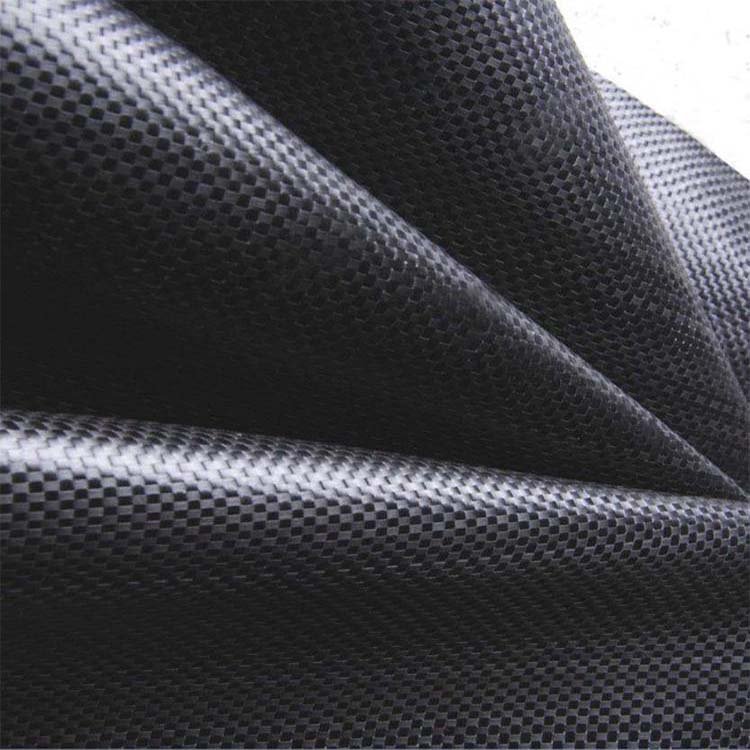
• Strength: Polypropylene (PP) geotextile generally have higher tensile strength in both the machine and cross-machine directions compared to those made from high-density polyethylene (HDPE). Therefore, when high tensile strength is required, polypropylene geotextiles are preferred. • Durability: Polypropylene (PP) has lower resistance to low temperatures, oxidation, and ultraviolet light compared to polyethylene (PE). In harsh environments, such as cold or highly sun-exposed areas, polypropylene geotextiles may not last as long as polyethylene geotextiles. For such applications, HDPE is a better choice. • Simple Identification: Polyethylene geotextiles generally feel softer to the touch, while polypropylene geotextiles feel firmer.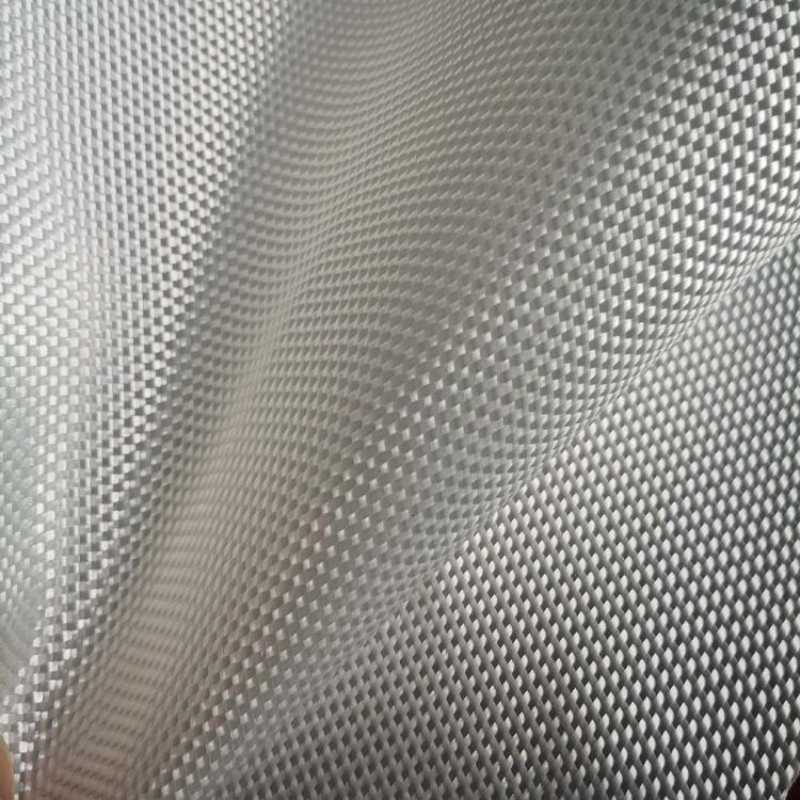

Differences in Polyester Woven Geotextiles:
The production process for PP/PE woven geotextiles is relatively simple and cost-effective, making them suitable for applications that do not require extremely high strength.
Polyester woven geotextile, however, involve a more complex weaving process, resulting in a tighter fabric with greater load-bearing capacity and durability. Machine-woven fabrics are commonly used for reinforcing and stabilizing large infrastructure projects such as slope protection and embankment reinforcement.
How to Produce More Competitive Woven Geotextiles:
The performance design of woven geotextile products is based on two aspects: standard requirements and user needs. Manufacturers must balance both to design the product's performance. Key factors in performance design include material selection, product structure, production equipment, and manufacturing processes. The design process can adjust the final product's performance to meet standards and user requirements.
Woven geotextiles of the same unit area mass may have different performance characteristics due to differences in product structure. For instance, using slit film yarns instead of flat yarns can yield a fabric that is softer, more water-permeable, and stronger under the same unit area mass. The unit area mass (g/m²) is a crucial indicator of product structure and closely related to the yarn density, fabric density, and yarn arrangement. It also directly impacts the product's cost. Thus, the design process should utilize technical and economic theories to produce the most cost-effective and high-performance product.
Adjustments in the manufacturing process can impact the tensile strength, elongation at break, and other properties of the fabric. Different manufacturing techniques can result in varying product performance, especially concerning yarn tensile strength and elongation at break, which determine the fabric's overall performance.
Future Directions for Woven Geotextiles:
Woven geotextiles have matured significantly in terms of manufacturing equipment, processing technologies, and material modifications, and they are widely used. Complete production lines for woven geotextiles have become dominant in the international market.
Future developments in woven geotextile manufacturing equipment are expected to focus on increased automation and larger scale production (high efficiency, high output, and wider fabric widths). Material modifications will likely involve the use of nanomaterials to enhance multifunctionality.
For manufacturers, balancing both aspects is essential when designing product performance. This includes considering material selection, product structure, production equipment, and manufacturing processes. Such design adjustments can ensure that the final product meets standards and user requirements.
For existing companies with established production equipment, adjustments in manufacturing processes are key to meeting performance requirements or enhancing product performance. New companies should determine product positioning based on market demand, choose equipment appropriately, and produce high-quality products with the best economic benefits.