
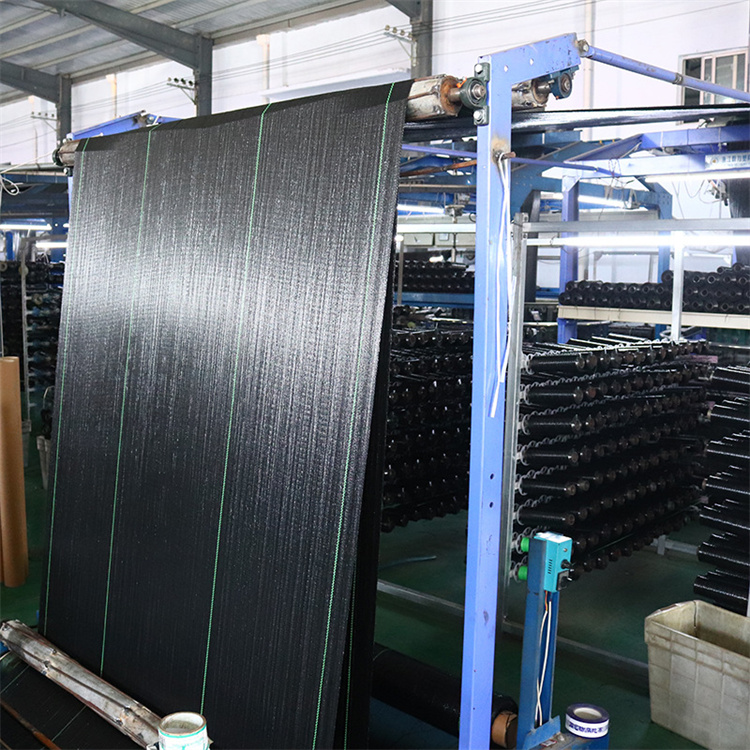
Introduction to Polyethylene Woven Geotextile
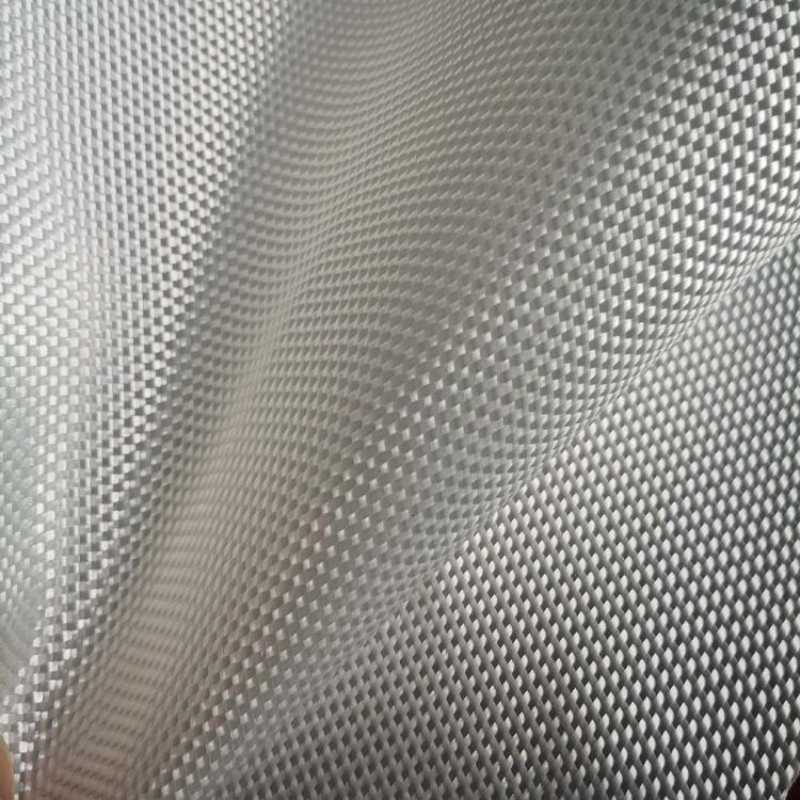
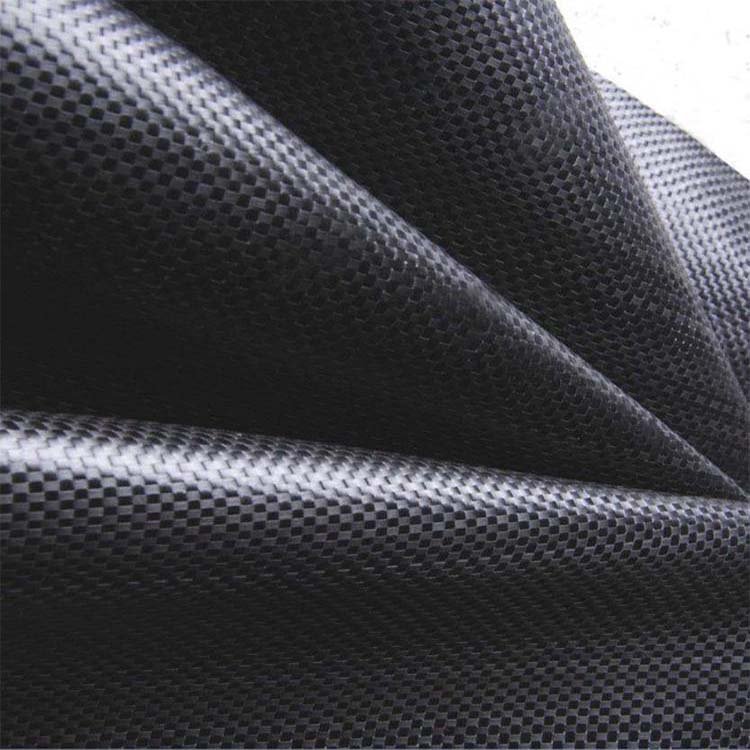
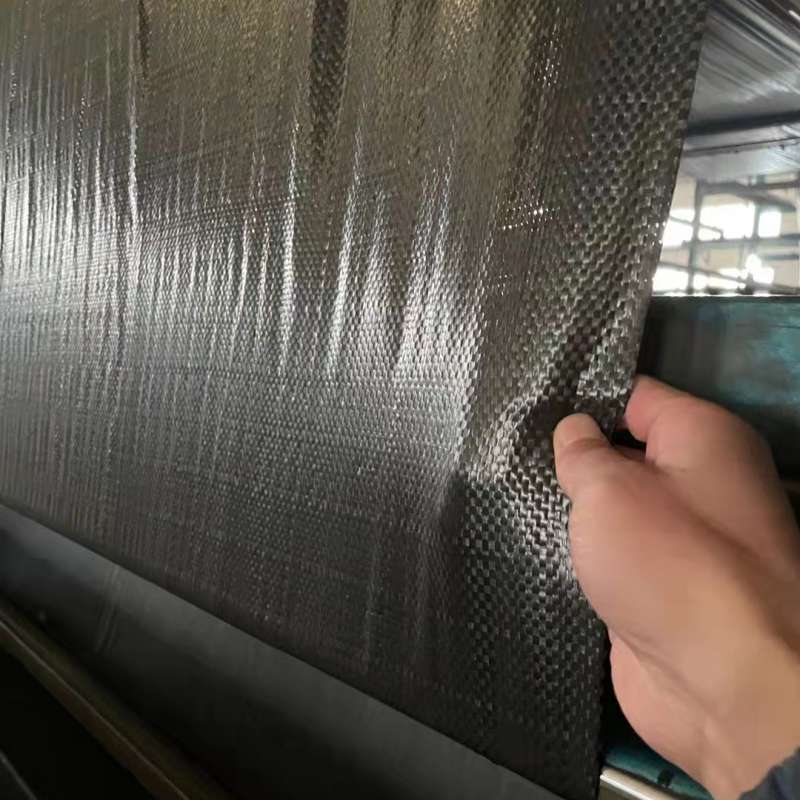
Polyethylene Woven Geotextile Fabric: Polyethylene(PE) woven geotextile, often abbreviated as PE geotextile fabric, are produced primarily from polyethylene. Some are also referred to as slit-film woven geotextiles. The term woven in this context refers to the interlacing of yarns or tapes in two directions. Typically, one set of parallel yarns or tapes is oriented longitudinally (in the direction of the fabric's progression) and is known as the warp, while the other set is arranged transversely around the circular loom and is known as the weft. The circular loom interweaves these two sets to form the fabric, resulting in what we call polyethylene woven geotextiles. By using different weaving equipment and techniques, these geotextiles can be made in various thicknesses and densities, depending on the intended application. Generally, woven geotextiles are relatively thin but offer strong tensile strength in both the longitudinal and transverse directions (with the longitudinal strength typically greater), providing excellent stability.
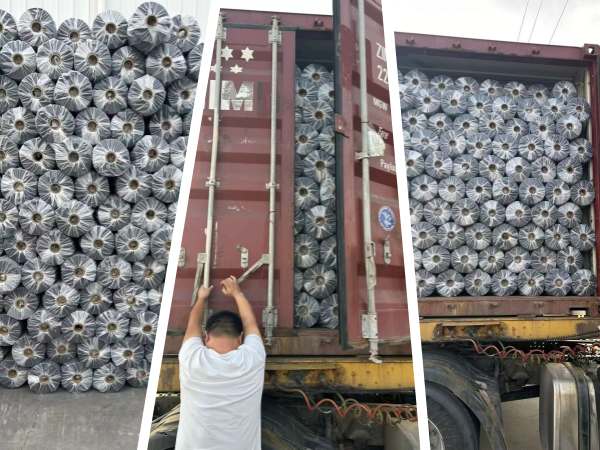
When Customers Choose Polyethylene Woven Geotextiles:
Polypropylene (PP) geotextiles have inferior low-temperature resistance, oxidation resistance, and UV stability compared to polyethylene (HDPE). Therefore, for applications in cold climates or areas with intense sunlight, and in harsh environments, pe woven geotextiles are preferred over polypropylene geotextiles. High-density polyethylene fabrics are better suited for these conditions due to their superior durability.
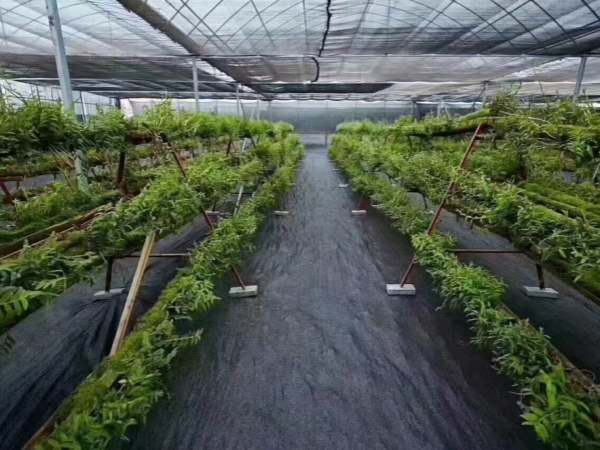
Applications of PE Woven Geotextile:
Rain protection for long-distance transportation and shipping.
Rain, sun, and dust protection for outdoor facilities, docks, and airport construction.
Transport packaging.
Dust protection during building renovations.
Production of waterproof and sun-proof equipment covers.
Weed control for agricultural crops.
The last thing to say is:GONGJIAN is a supplier, manufacturer, and exporter of polyethylene(hdpe) woven geotextile.