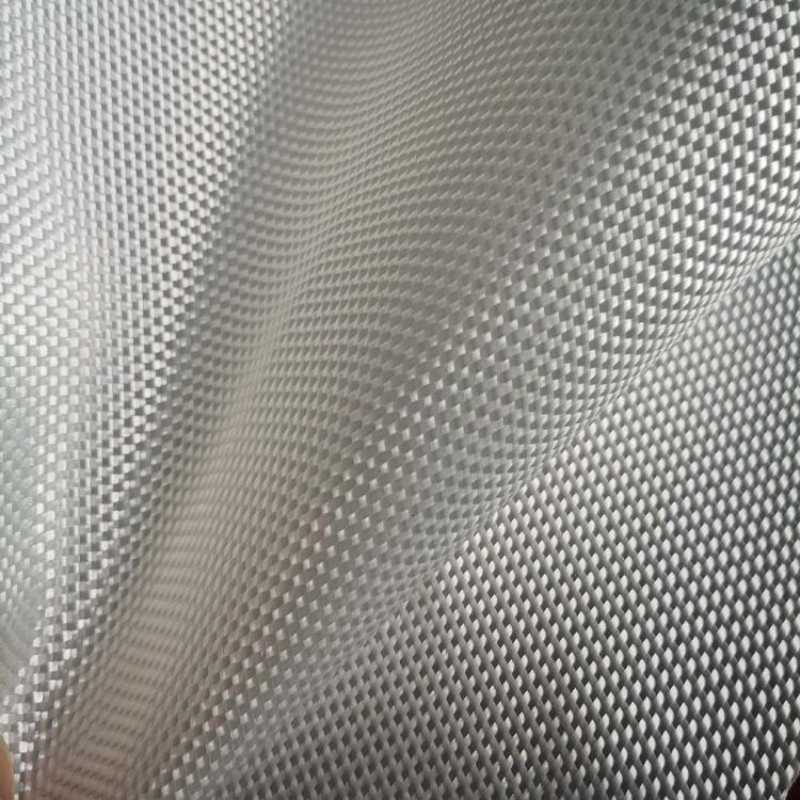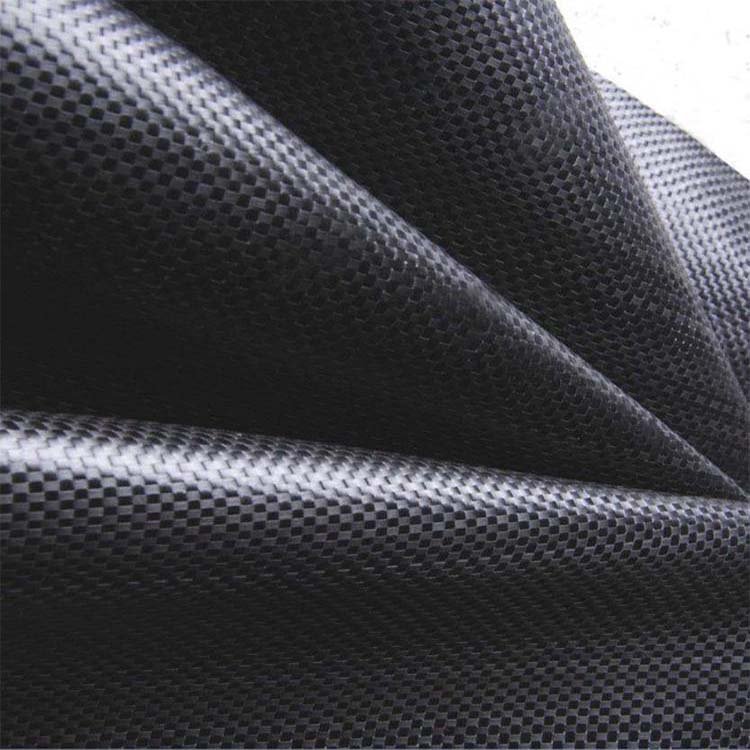


Introduction to Polypropylene (PP) Woven Geotextile Fabric
Polypropylene (PP) woven geotextile fabric, also known simply as PP woven geotextile, is a geotextile material produced from polypropylene (PP) through a weaving process. This type of fabric, also referred to as split film woven geotextile, is created by interweaving warp and weft yarns to form a textile structure.At the end of the article, a table of product specifications and performance parameters is attached.
Weaving Process of PP Woven Geotextile
The production process of polypropylene woven geotextile fabric involves the following steps:
Yarn Preparation: The weaving process requires two sets of parallel yarns or flat yarns: one set as longitudinal warp yarns and the other as transverse weft yarns.
Interweaving: Using a circular loom, the warp and weft yarns are interwoven to form a fabric. This process imparts significant structural stability to the material.
Characteristics of PP Woven Geotextile
Varied Thicknesses and Densities: The woven fabric can be produced in different thicknesses and densities based on specific usage requirements.
Tensile Strength: Woven geotextiles typically exhibit high tensile strength in both longitudinal and transverse directions, with longitudinal strength often exceeding transverse strength.
Stability: Due to its unique weaving structure, the fabric provides excellent stability and performance.
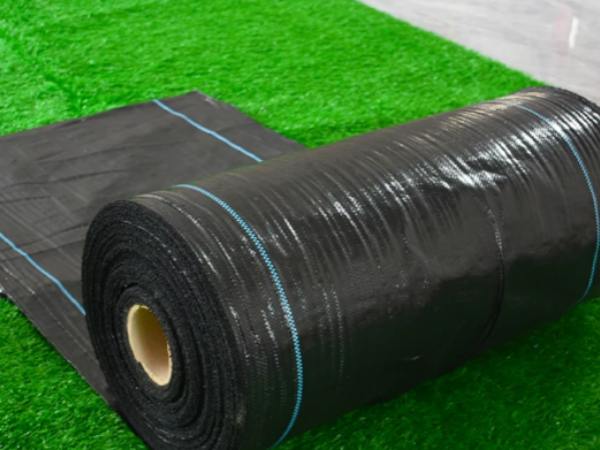
Applications of Polypropylene Woven Geotextile (PP Woven Geotextile)
Polypropylene woven geotextiles are widely used in various applications, including:Sand Bags and Sea Sandbags: High-weight, strong plastic woven geotextiles are commonly used to manufacture sandbags and sea sandbags. These are designed to prevent erosion by flowing water and enhance corrosion resistance.
Product Features
Lightweight: Compared to other materials, polypropylene woven geotextiles are lighter in weight.
High Strength: This material has high strength, making it suitable for withstanding significant tensile forces.
Low Elongation: The material exhibits low elongation, contributing to its structural stability.
Good Overall Performance: It offers superior overall performance and ease of construction.
Cost-Effective: Production costs are relatively low, providing high cost-effectiveness.
Selection Guide for Polypropylene Woven Geotextile
When selecting geotextiles, customers often consider the following factors:
Tensile Strength Requirements: Polypropylene (PP) materials generally have higher longitudinal and transverse tensile strength compared to high-density polyethylene (HDPE) materials. Thus, for applications requiring high tensile strength, polypropylene woven geotextiles are often preferred.
Through the introduction and analysis of polypropylene woven geotextiles, customers can make informed decisions based on their specific needs to ensure project stability and durability.
PP Woven Geotextile Specifications
Item | Unit | Index | ||||||||||
Specifications | g/m2≥ | 120 | 175 | 230 | 260 | 280 | 340 | 400 | 460 | 520 | 580 | 640 |
| Longitude Breaking Strength | KN/M≥ | 20 | 30 | 40 | 50 | 60 | 80 | 100 | 120 | 140 | 160 | 180 |
Latitude Break Strength | KN/M≥ | Per agreement, latitude strength is 0.7~1 times of longitude strength if there is no special requirement. | ||||||||||
Breaking Elongation | %≤ | 28 | ||||||||||
| CBR Ejection Force | KN≥ | 1.6 | 2.4 | 3.2 | 4.0 | 4.8 | 6.0 | 7.5 | 9.0 | 10.5 | 12.0 | 13.5 |
| 95) | mm | 0.07~0.5 | ||||||||||
| Vertical Filtration Coefficient | cm/s | 1×(10-4) | ||||||||||
Anti-UV force retaining rate | %≥ | 70(500h) or as per requirements of design or contract. | ||||||||||