
Introduction to PET Woven Geotextiles: A Comprehensive Guide
Polyester (PET) woven geotextiles are a crucial component in modern civil engineering, construction, and environmental projects due to their strength, durability, and versatility. This guide provides an in-depth look into PET woven geotextiles, covering their properties, manufacturing processes, key performance metrics, and practical applications. As a supplier, manufacturer, and exporter of pet woven geotextiles, this article will give you all the essential knowledge you need to understand and work with PET woven geotextiles.
What Are PET Woven Geotextiles?
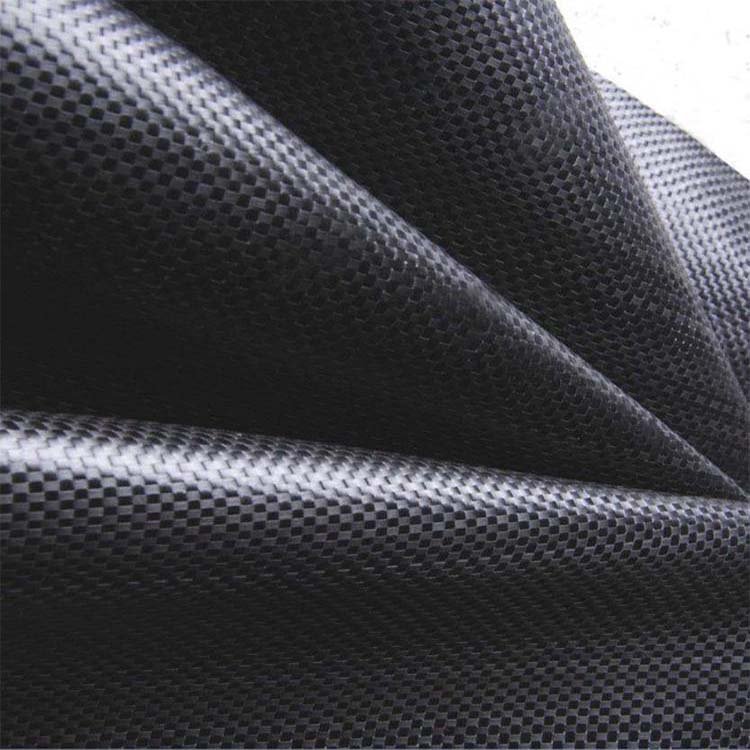
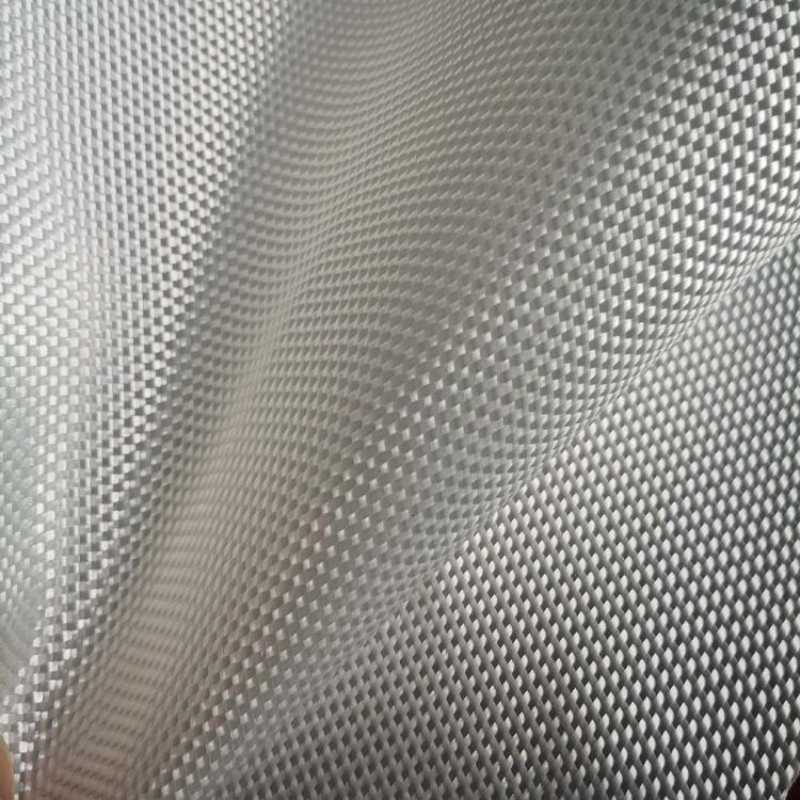
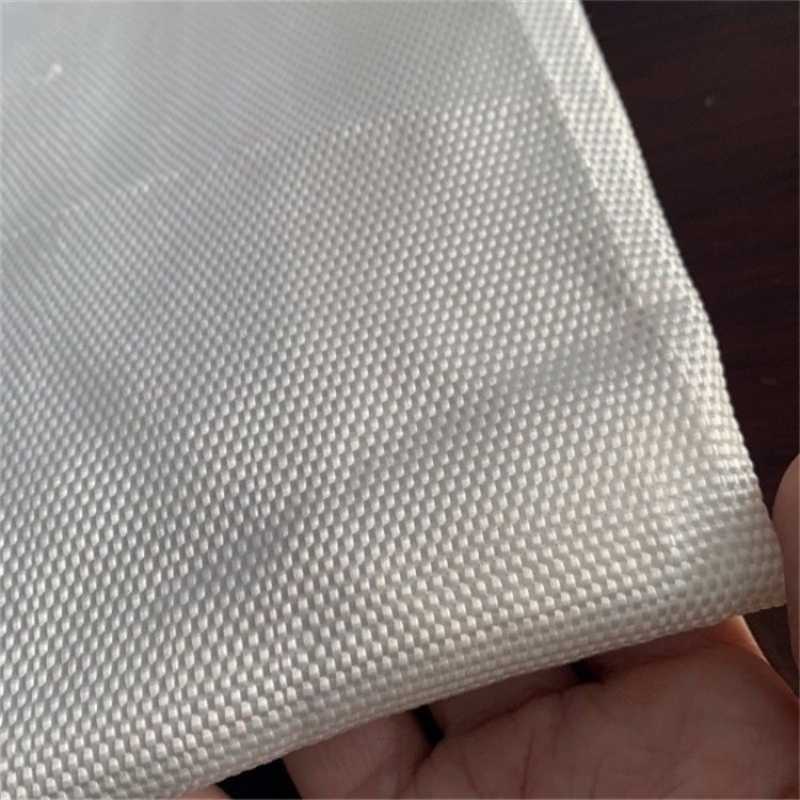
Polyester woven geotextiles are synthetic fabrics made from high-strength polyester (PET) yarns that are interlaced through a weaving process. This type of geotextile differs from nonwoven geotextiles in that it has a more rigid structure due to the woven nature of the material. PET woven geotextiles are known for their excellent tensile strength, durability, and resistance to harsh environmental conditions, making them ideal for a range of engineering and construction projects.
Woven geotextiles are often used in applications that require high-strength reinforcement, filtration, separation, and stabilization. They play an essential role in soil stabilization, road construction, and erosion control, among other applications.
Key Properties of PET Woven Geotextiles
1. High Tensile Strength
PET (polyester)woven geotextiles offer outstanding tensile strength, which makes them ideal for reinforcing soil and other materials in civil engineering projects. The interlaced fibers give the fabric high resistance to pulling forces, which is essential for applications like road construction and foundation stabilization.
2. Durability and Longevity
Polyester woven geotextiles are resistant to UV radiation, chemical exposure, and biological degradation. The polyester fibers used in these geotextiles retain their integrity over time, ensuring long-lasting performance in harsh outdoor environments. This makes PET woven geotextiles particularly suitable for long-term infrastructure projects such as roads, embankments, and landfills.
3. High Modulus of Elasticity
The woven construction of PET geotextiles provides a high modulus of elasticity, meaning the material resists deformation under stress. This property is essential when the geotextile is used for reinforcement, as it helps maintain soil stability and prevents settling or shifting.
4. Filtration and Drainage
In addition to providing strength and reinforcement, PET woven geotextiles are excellent for filtration and drainage applications. The spacing between the woven yarns allows water to flow through the fabric while preventing fine soil particles from migrating. This makes them ideal for applications such as drainage layers in roads, retaining walls, and landfills.
5. Resistance to Environmental Factors
PET woven geotextiles have high resistance to a wide range of environmental factors, including moisture, UV light, and temperature variations. This resistance ensures that the geotextile will not degrade or lose its strength over time, even when exposed to the elements.
Manufacturing Process of PET Woven Geotextiles
The manufacturing of PET woven geotextiles involves a process of weaving high-strength polyester yarns into a durable fabric. There are two primary steps in this process:
1. Weaving
In the weaving process, polyester yarns are interlaced using a loom to create a tightly-knit, strong fabric. The yarns are woven in a way that provides strength in both the machine and cross-machine directions, ensuring that the fabric can withstand tensile forces from all angles. This process allows for precise control over the geotextile's strength, thickness, and permeability.
2. Heat Setting
After the weaving process, the geotextile is often heat-set to improve its dimensional stability. Heat setting involves applying heat to the fabric, which helps to lock the yarns in place and prevent shrinkage or stretching during installation and use. This step further enhances the durability and performance of the PET woven geotextile.
Key Technical Specifications
PET woven geotextiles have several key performance parameters that help define their suitability for different applications. These specifications are commonly measured according to industry standards, such as ASTM (American Society for Testing and Materials) or ISO (International Organization for Standardization).
1. Tensile Strength
Tensile strength is a critical parameter for PET woven geotextiles, as it indicates how much force the material can withstand before breaking. Tensile strength is usually measured in kilonewtons per meter (kN/m). Common tensile strength values for PET woven geotextiles range from 10 kN/m to over 100 kN/m, depending on the product's thickness and application.
2. Grab Strength
Grab strength refers to the ability of the geotextile to resist tearing when subjected to forces. This is important for applications where the geotextile may be exposed to physical stresses. Grab strength values typically range from 30 N to 600 Ndepending on the application requirements.
3. Weight and Thickness
The weight and thickness of the geotextile are important factors in determining its suitability for specific applications. PET woven geotextiles can range in weight from 100 g/m² to over 800 g/m², depending on the desired strength and performance. Thicker and heavier geotextiles are often used for reinforcement and soil stabilization, while lighter versions are typically used for filtration and drainage.
4. Permeability (Water Flow Rate)
Permeability is a measure of how easily water can pass through the geotextile. The permeability of PET woven geotextiles typically ranges from 10 to 1000 L/m²/s, depending on the weave density and thickness of the material. Higher permeability is needed in drainage applications, where water flow must be efficiently managed.
5. UV Resistance
PET woven geotextiles are designed to withstand exposure to ultraviolet (UV) radiation without degrading. The level of UV resistance is typically expressed as the number of hours the material can be exposed to UV light before its mechanical properties begin to deteriorate. Many PET woven geotextiles are designed to resist up to 5000 hours of UV exposure.
6. Abrasion Resistance
Abrasion resistance measures how well the geotextile can withstand mechanical wear and tear, which is particularly important for applications in harsh, high-traffic environments. PET woven geotextiles have good abrasion resistance, making them suitable for use in road construction and other projects subject to heavy mechanical forces.
Applications of PET Woven Geotextiles
PET woven geotextiles are used in a variety of construction, civil engineering, and environmental applications. Some of the most common uses include:
1. Soil Stabilization
In soil stabilization projects, PET woven geotextiles are used to reinforce soil, prevent shifting, and maintain the structural integrity of foundations. They help distribute loads across a broader area, improving the strength and stability of soft or weak soils. Common applications include road construction, railway bedding, and foundation reinforcement.
2. Road Construction
PET woven geotextiles are used in road construction to separate different soil layers, improve soil bearing capacity, and reduce rutting. These geotextiles can be placed under the roadbed to prevent mixing of soil layers, thereby improving drainage and extending the lifespan of roads.
3. Drainage Systems
In drainage systems, PET woven geotextiles are used to filter water while preventing soil erosion. They are commonly used in applications such as trench drains, retaining wall drainage, and stormwater management systems.
4. Reinforcement of Embankments
For embankment stabilization, PET woven geotextiles provide reinforcement to prevent landslides or erosion. By reinforcing the soil structure, they help maintain the integrity of embankments and prevent the movement of soil under heavy loads.
5. Landfills and Waste Management
PET woven geotextiles are often used in landfill lining systems to separate waste from the underlying soil and prevent leachate contamination. They also serve as a protective layer to improve drainage within landfill.
6. Erosion Control
In erosion control applications, PET woven geotextiles are used to stabilize slopes, embankments, and shorelines. The geotextile prevents soil from washing away while allowing water to pass through, thereby reducing the impact of erosion in high-risk areas.
Advantages of PET Woven Geotextiles
1. High Strength and Durability
PET woven geotextiles offer superior strength and durability compared to nonwoven fabrics. This makes them ideal for projects requiring long-lasting reinforcement and stability under heavy loads.
2. Cost-Effective
While PET woven geotextiles tend to be more expensive than some other types of geotextiles, their long lifespan and ability to reduce maintenance costs make them a cost-effective choice for many infrastructure projects.
3. Versatile Applications
These geotextiles can be used in a variety of applications, from road construction to drainage systems, erosion control, and landfill management. Their versatility makes them a valuable material in both civil engineering and environmental applications.
4. Environmental Sustainability
PET woven geotextiles are typically made from recycled polyester fibers, making them an environmentally sustainable option. Additionally, their long-lasting nature reduces the need for frequent replacements, further enhancing their sustainability.
Conclusion
PET woven geotextiles are essential materials in many modern engineering projects due to their strength, durability, and versatility. From reinforcing soil to managing drainage, stabilizing roads, and preventing erosion, these geotextiles play a vital role in ensuring the stability and longevity of infrastructure.