
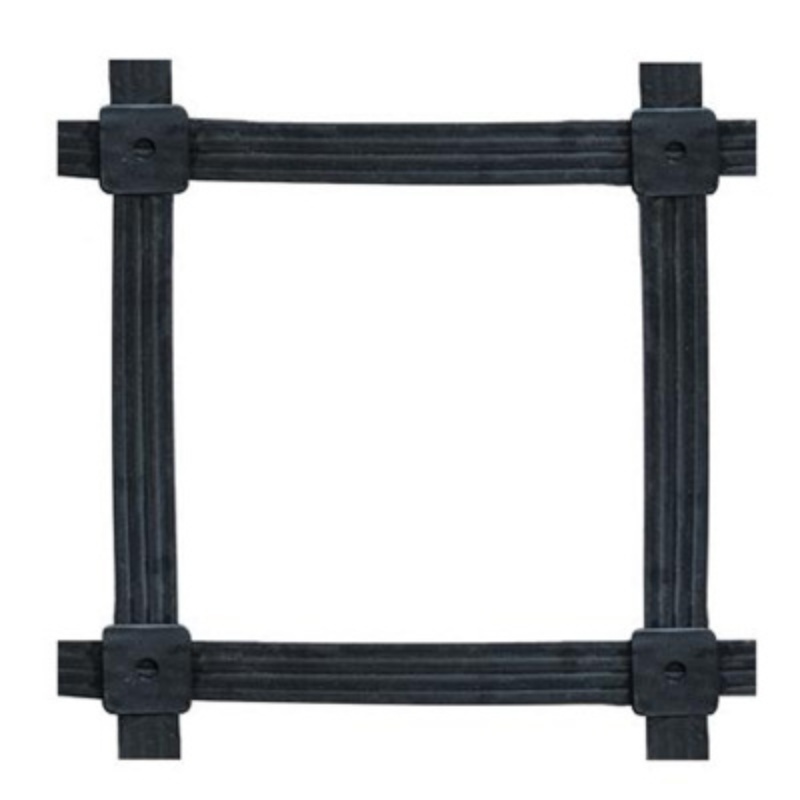
Steel-Plastic Geogrid
As a supplier, manufacturer, and exporter of steel plastic geogrid,in this article, we aim to provide a comprehensive and detailed dictionary-style introduction to steel-plastic geogrid products, allowing readers to easily reference key information. Steel-plastic geogrid is a high-strength composite material made from high-strength steel wires coated with polyethylene (PE) and other corrosion-resistant additives. It is processed using high-temperature extrusion and ultrasonic welding techniques. Its unique structure and materials give it excellent performance in soil reinforcement, particularly in handling soft foundations and uneven settlement. We will explore the production process, industry production standards,product principles, main advantages, and wide applications of steel-plastic geogrids to help you better understand and select this high-quality material.
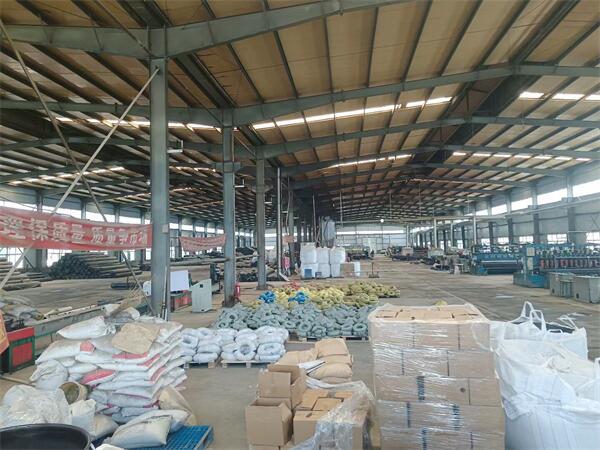
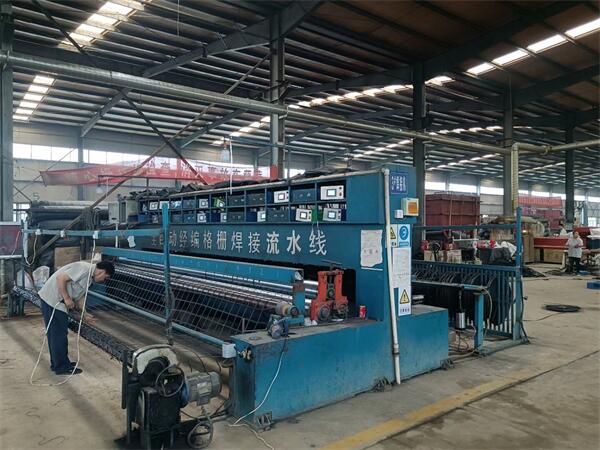
Production Process and Product Principle of Steel-Plastic Geogrid
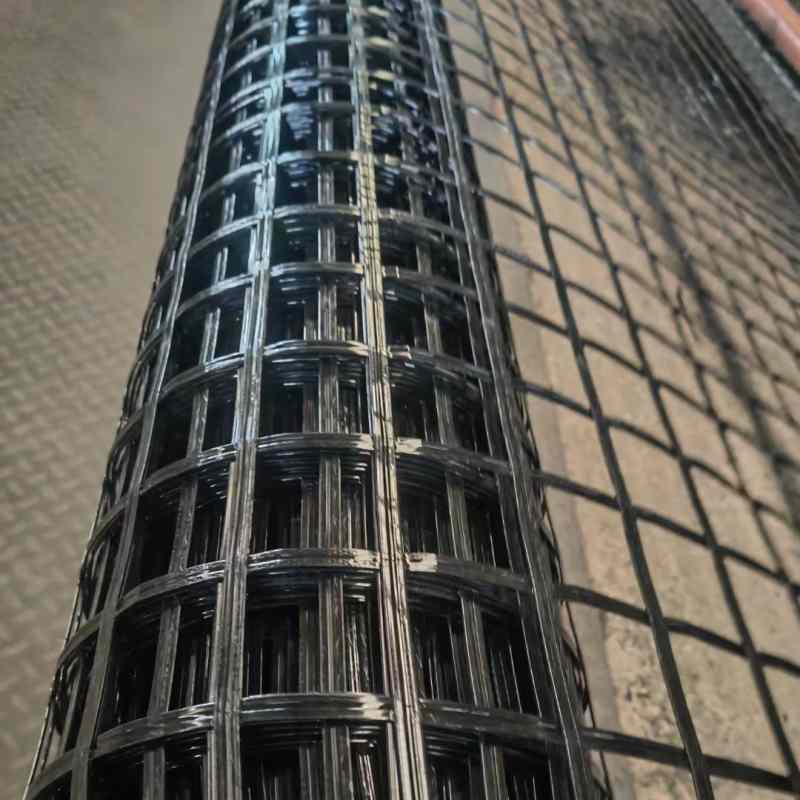
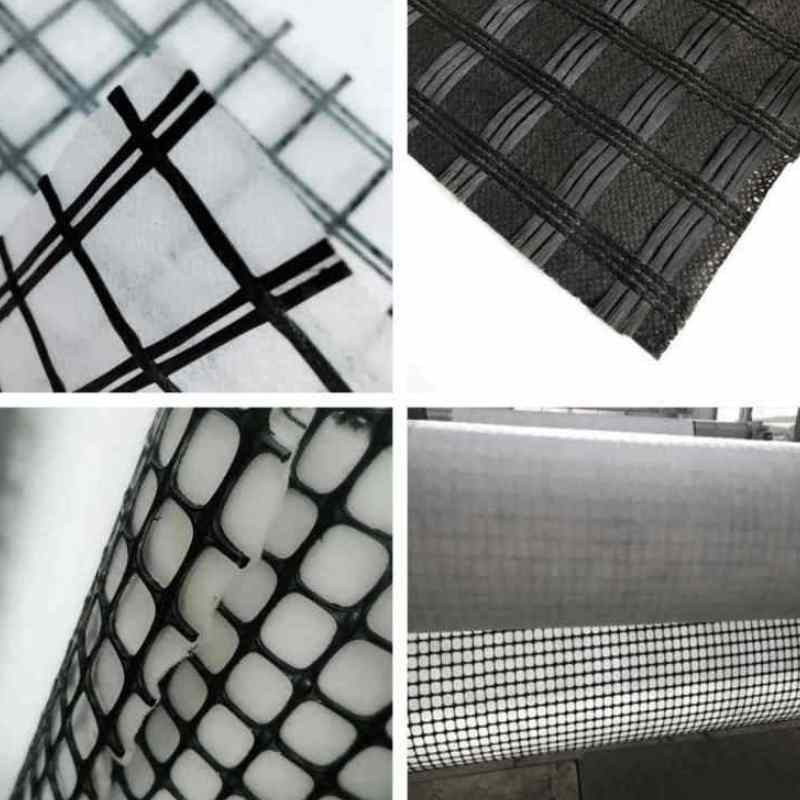
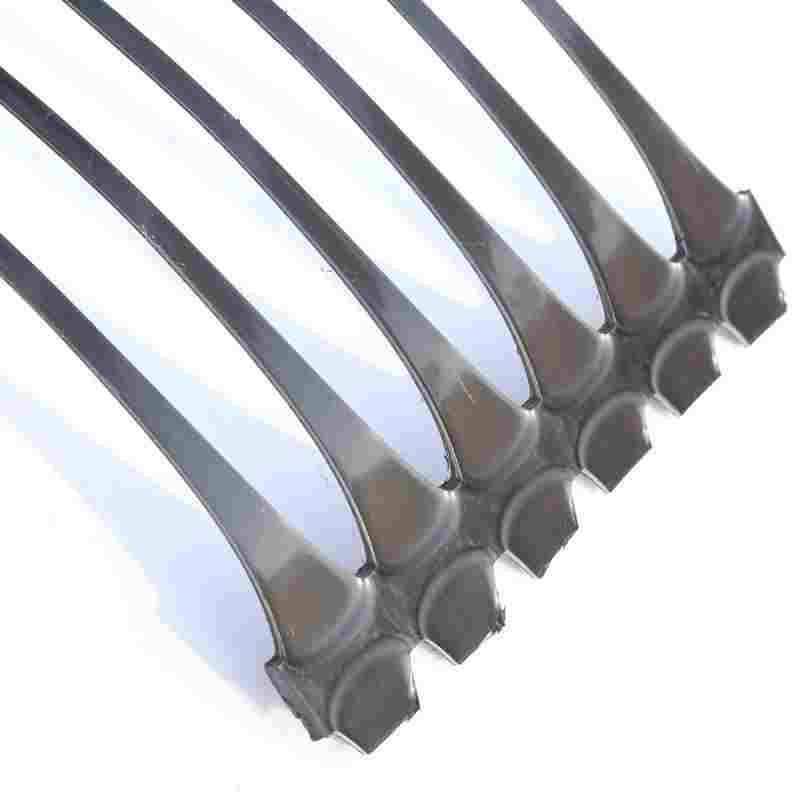
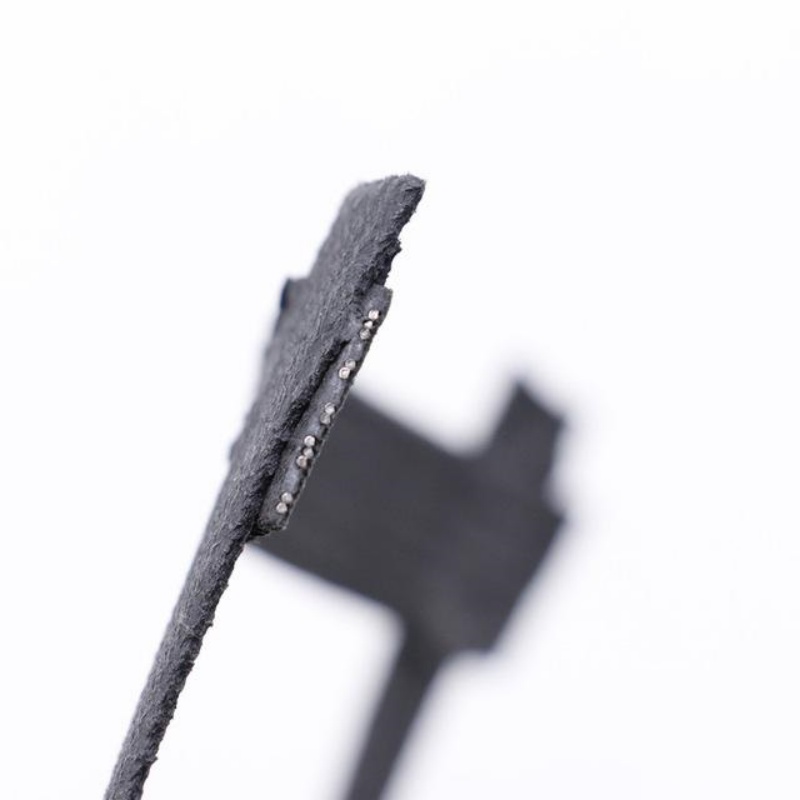
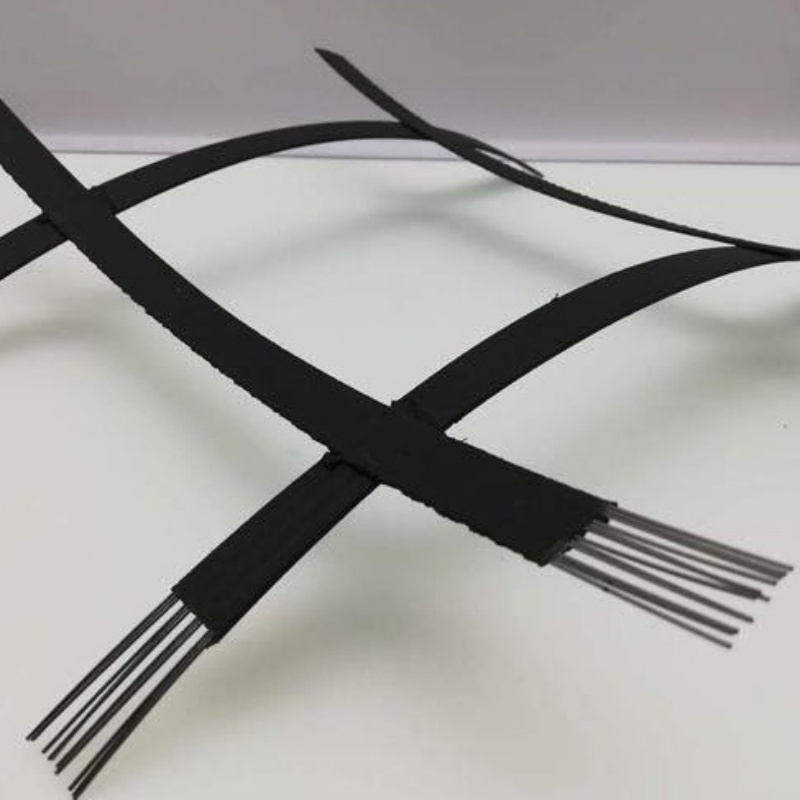
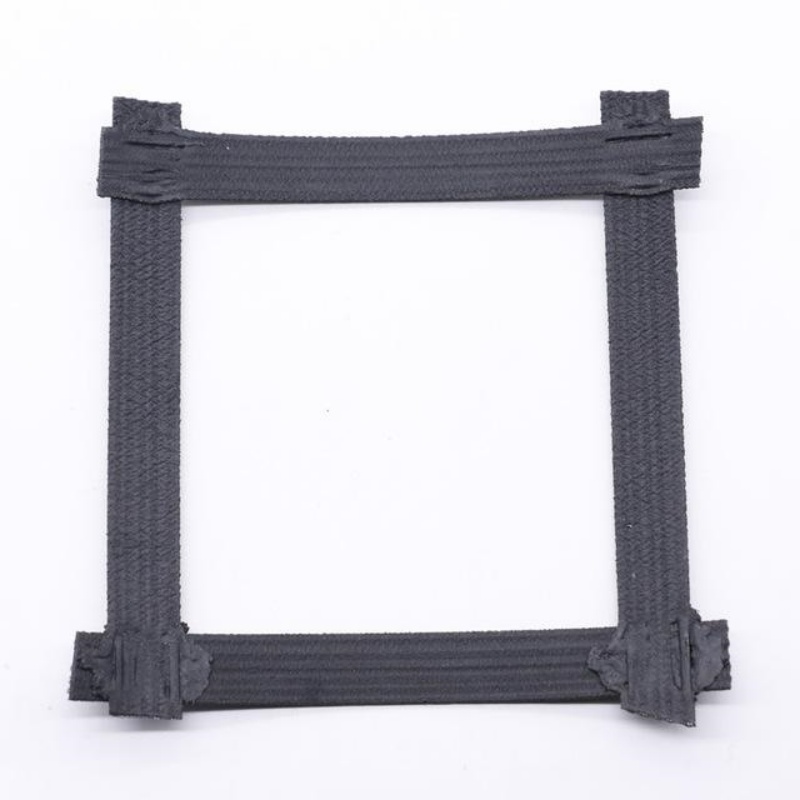
Steel-plastic geogrid is a high-strength geogrid composed of high-strength steel wire coated with polyethylene (PE) and other additives for corrosion, acid, and alkali resistance. It is processed through high-temperature extrusion and formed at right angles to the plane's longitude and latitude. The strips are bonded and welded using ultrasonic technology. Because its main components are steel wire and plastic polyethylene, it is referred to as a steel-plastic composite geogrid.Steel-plastic geogrids can be customized according to specifications such as the number of steel wires within the strips, mesh size, strip width, and the peel strength of welding points.
Advantages of Steel-Plastic Products
Steel-plastic geogrids offer significant advantages, including high strength, strong bearing capacity, minimal deformation, corrosion resistance, acid and alkali resistance, high friction coefficient, and low construction costs. They are widely used for various soil reinforcement applications and can meet the requirements of tall retaining walls in high-grade highways. Due to their high tensile strength and minimal deformation, steel-plastic geogrids are particularly effective for treating soft foundations and uneven settlement in roadbeds, surpassing plastic geogrids in performance.
Application of Steel-Plastic Geogrid
Steel-plastic geogrids are suitable for soft soil foundation reinforcement, retaining walls, and various other applications, including roads, railways, embankments, abutments, construction roads, wharves, bank revetments, flood levees, dams, mudflat treatment, freight yards, slag yards, airports, and sports grounds.
Product Status
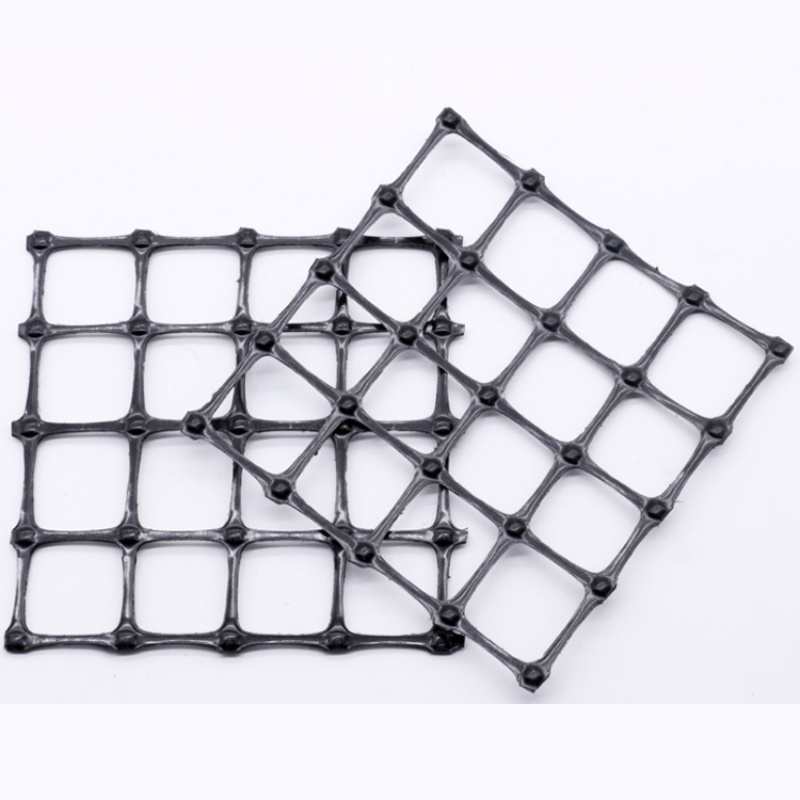
Currently, domestic steel-plastic geogrids are mainly classified into two types: the first type features flat nodes throughout the geogrid, while the second type has protruding nodes at the joints. The flat-node steel-plastic geogrid dominates the market.
Due to the low investment cost for production lines, there are many domestic manufacturers and intense competition. Additionally, because of the large size and weight of the finished rolls and the high transportation costs, the geographical location of the production line is a critical factor in international procurement.
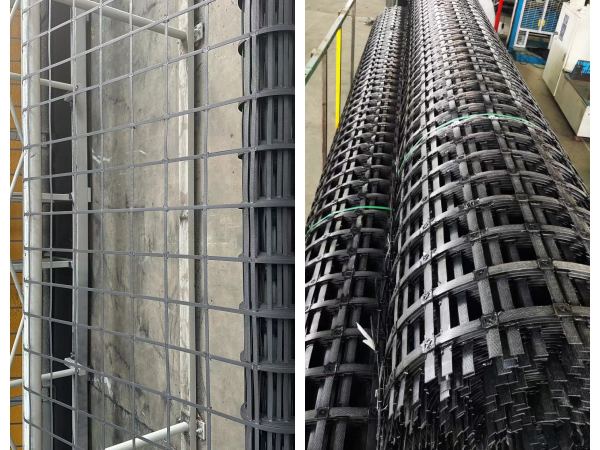
In summary, steel-plastic geogrids offer significant advantages such as high strength, corrosion resistance, and resistance to acids and alkalis, making them widely used in various soil reinforcement and construction projects. From high-grade highway retaining walls to soft foundation treatments for infrastructure, they demonstrate exceptional performance. Understanding the detailed features of these products will help you make informed purchasing decisions in the face of intense market competition and transportation cost challenges. As a supplier, manufacturer, and exporter of steel plastic geogrid,we hope this article provides you with a thorough understanding of steel-plastic geogrids and offers reliable solutions for your projects.