
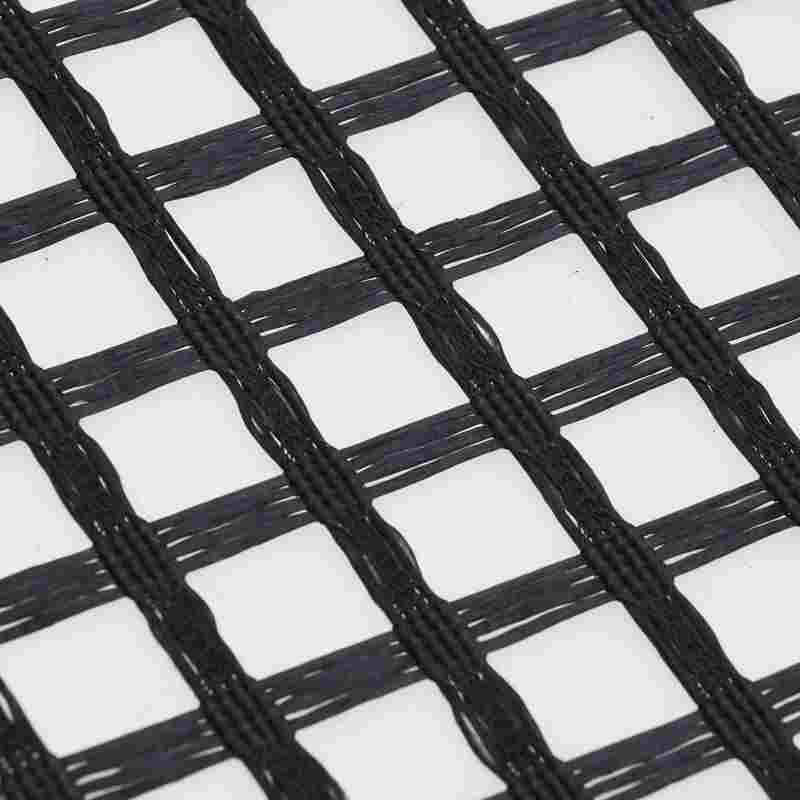
As a supplier, manufacturer, and exporter of polyester geogrids,we aim to provide a thorough guide to polyester geogrids, ensuring that you have all the information necessary to fully understand this material. This article covers everything from production processes to performance characteristics and practical applications, offering a complete overview of polyester(PET)geogrids to help you make informed decisions.
Quick Navigation: Jump to the sections you care about!
Production Process of Polyester Geogrid
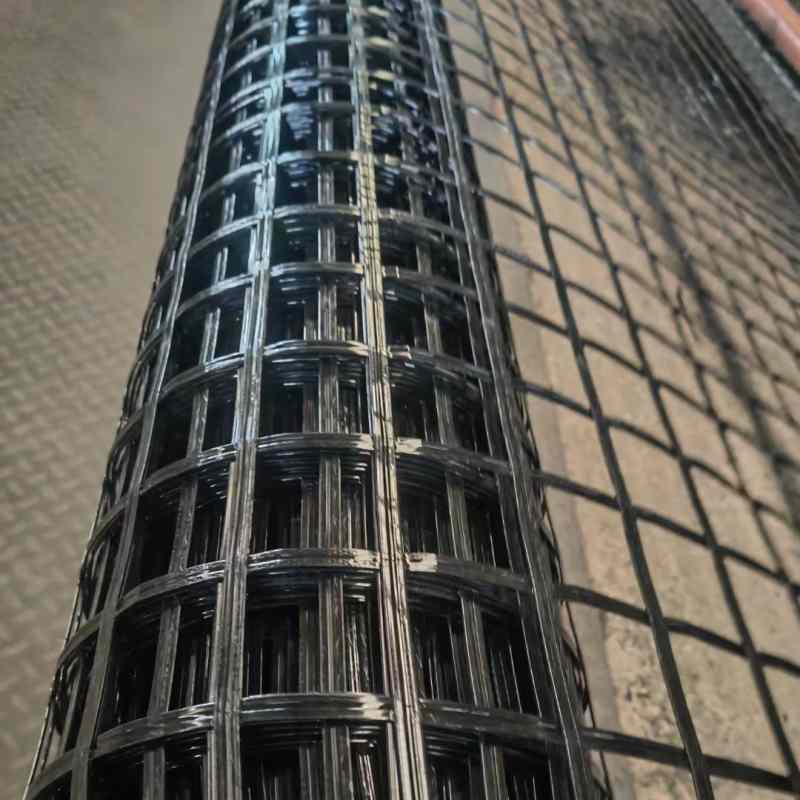
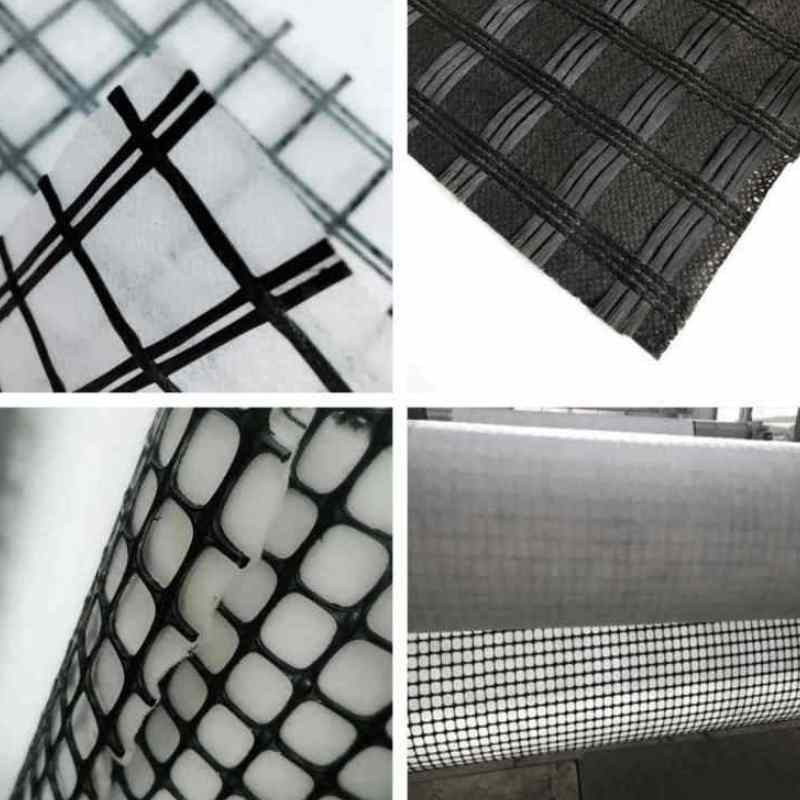
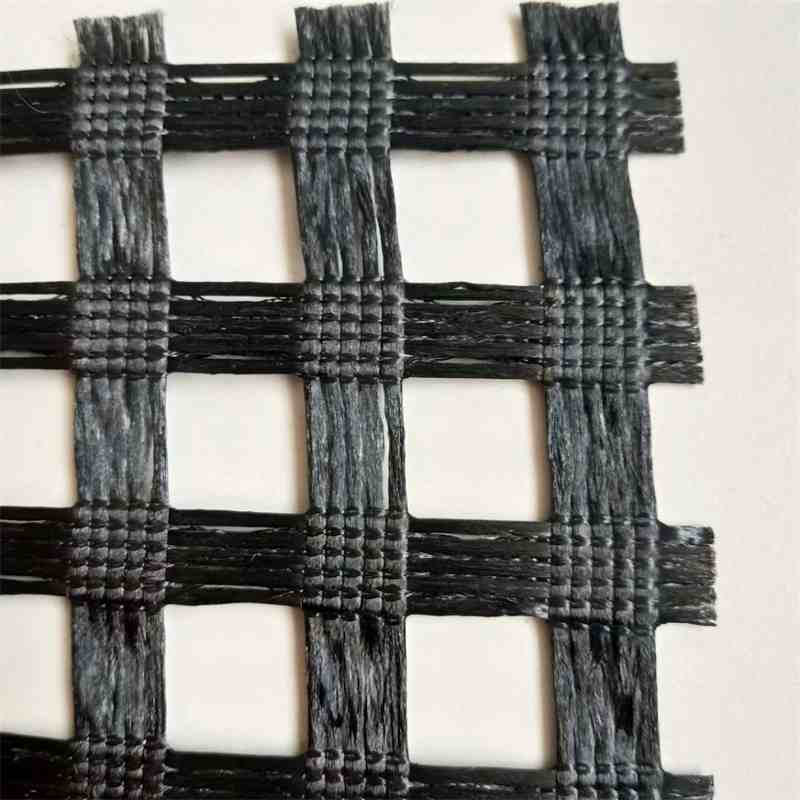
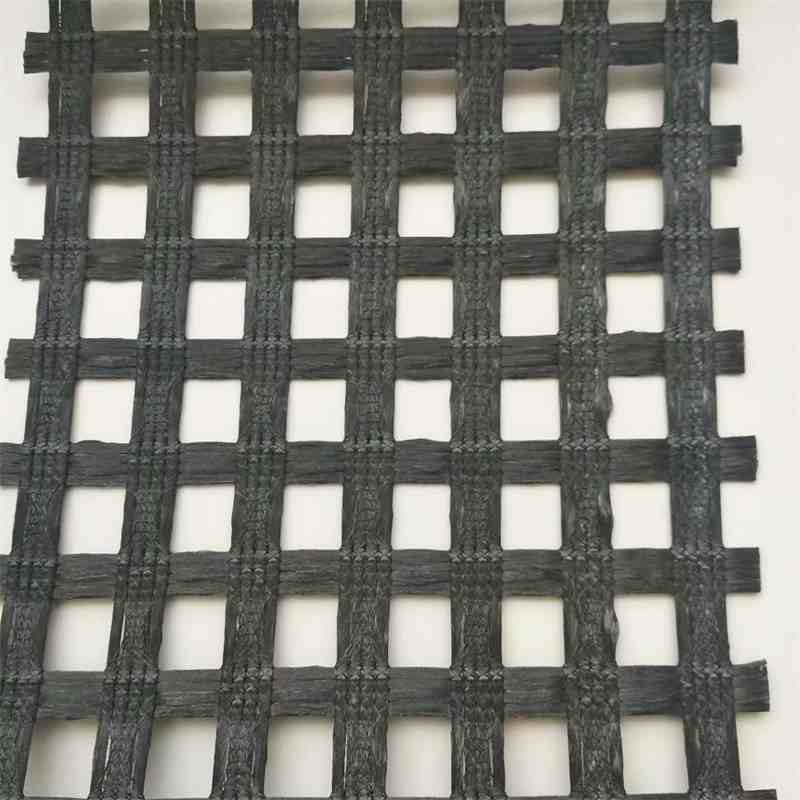
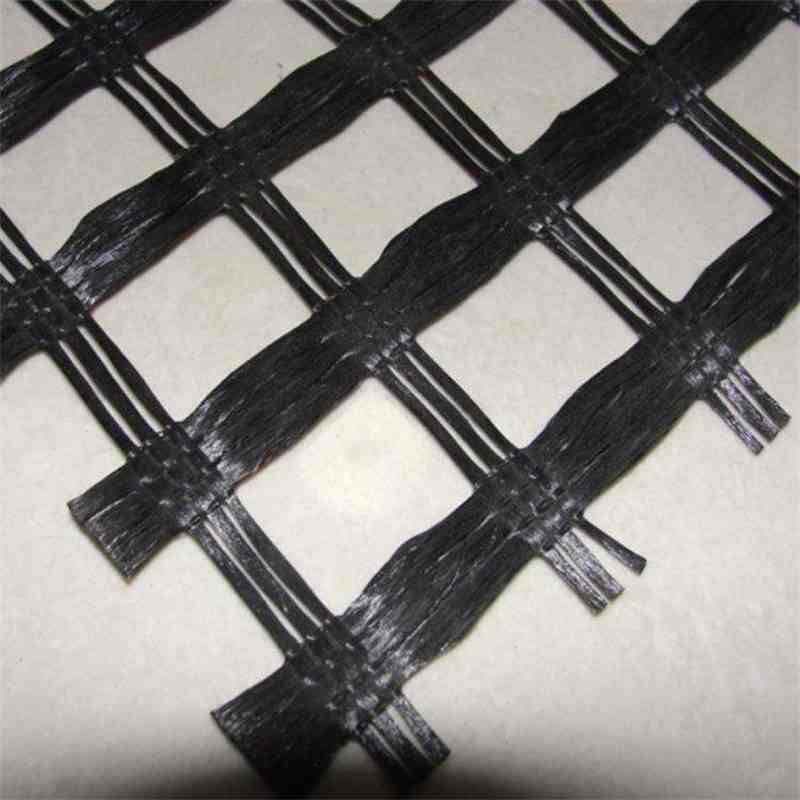
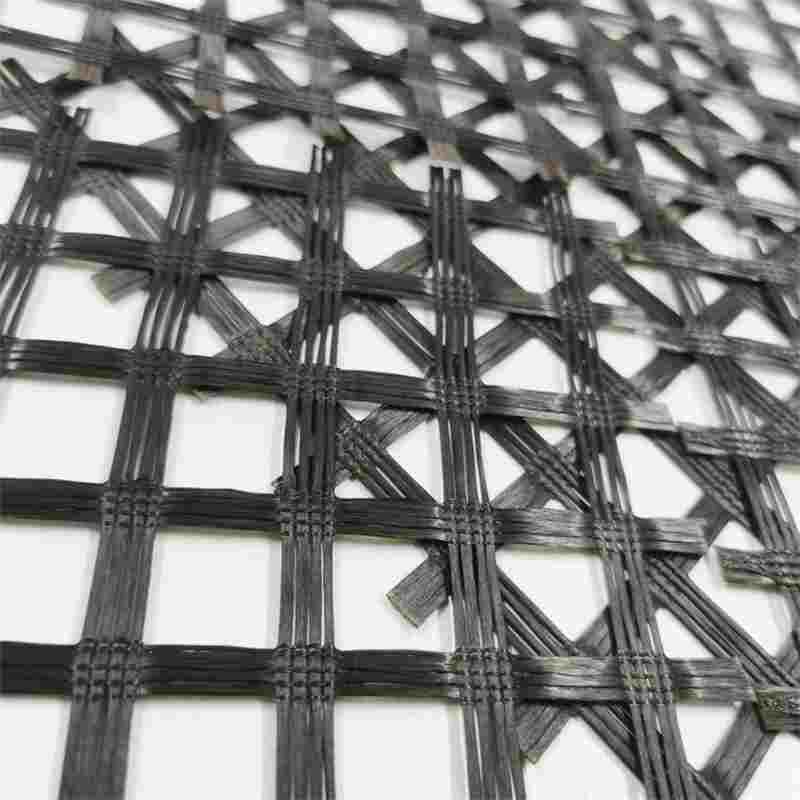
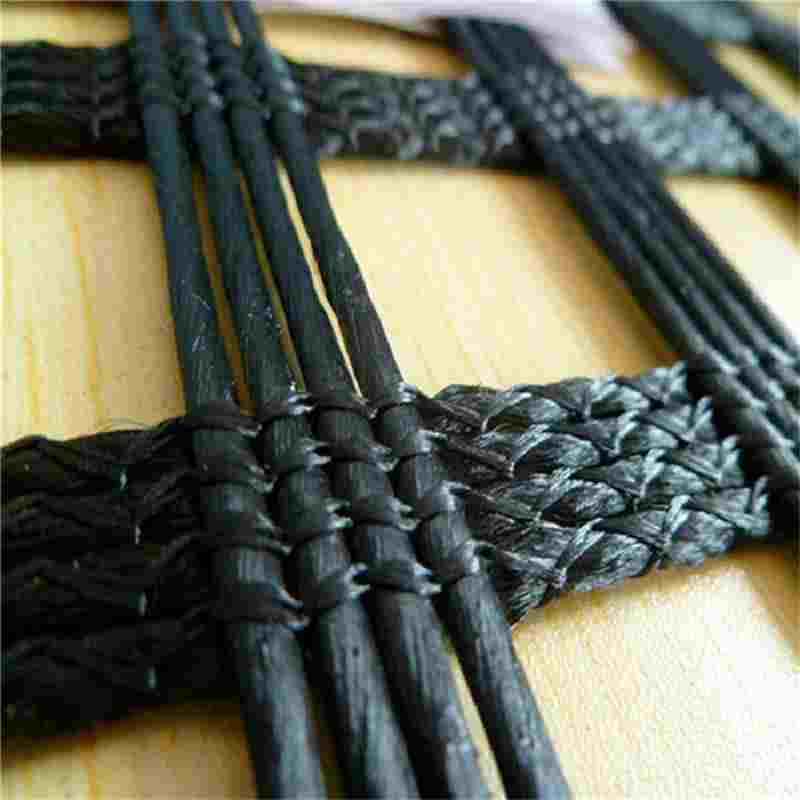
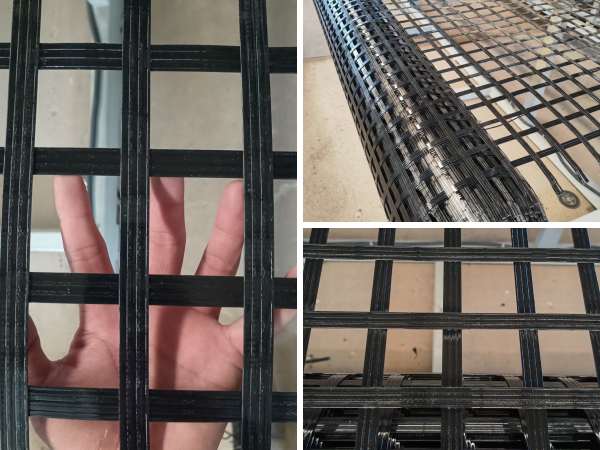
Polyester geogrid is made from high-strength polyester industrial filament yarns. It is processed into a warp-knitted oriented grid fabric using warp knitting technology, followed by coating and finishing. Generally, the production process for geogrids involves: raw materials → twisting → warp knitting and weaving → coating → inspection → finished product.Warp-knitted polyester geogrids are produced using a warp knitting machine, which interlocks high-strength polyester yarns in a consistent grid pattern. The process involves precision alignment of fibers to ensure optimal strength and durability. The resulting grid is then coated for added protection(The coating enhances resistance to environmental factors such as UV exposure and moisture).
Performance and Function of Polyester Geogrid
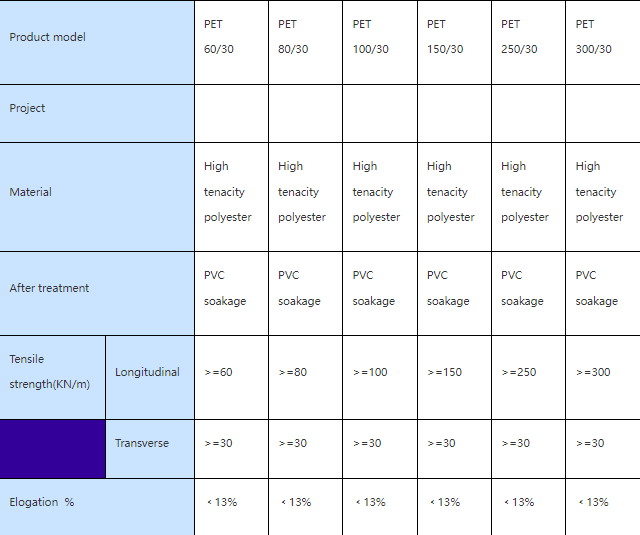
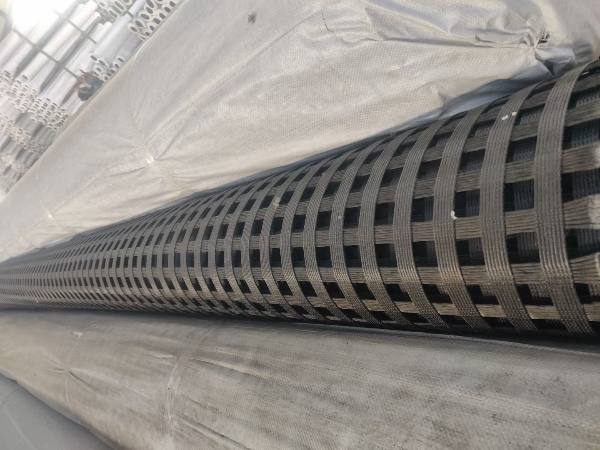
Polyester geogrids are highly valued for their comprehensive properties, including high strength, high modulus, low creep, wear resistance, corrosion resistance, lightweight, and excellent interlocking performance with soil or gravel. These attributes make polyester geogrids widely used in applications such as soft soil subgrade reinforcement, embankment slope reinforcement, isolation retaining wall reinforcement, and road and bridge reinforcement. They play a significant role in enhancing soil shear strength and improving the overall integrity and load-bearing capacity of the soil.
Advantages of Warp-Knitted Polyester Geogrid
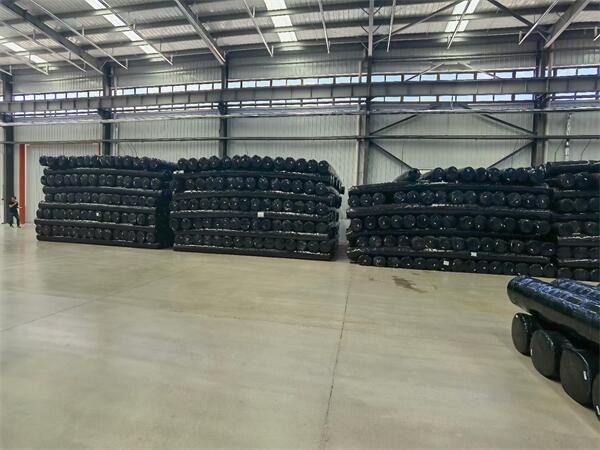
The fundamental raw material for pet geogrids is high-strength polyester industrial yarn. Due to its high modulus, low elongation under load, good thermal performance, and excellent dimensional stability, high-strength polyester yarn offers significant advantages in geogrid production.
-
High Strength: The fracture elongation of polyester geogrid is less than 15%. Polyester filaments retain their strength in a moist state, with impact resistance being 20 times greater than that of viscose fibers.
-
Good Elasticity: Polyester filaments can almost completely return to their original state after being stretched by 5% to 6%.
-
Good Heat Resistance: Polyester has a melting point of 255-265°C and begins to soften at 230°C. Its heat resistance and thermal stability are significantly better than other synthetic fibers. Polyester loses 15% to 30% of its strength after being heated in hot air at 150°C for 168 hours.
-
Strong Light Resistance: After 100 hours of light exposure, the residual strength of polyester fabric reaches 95%.
-
Good Wear Resistance: Among commonly used synthetic fibers, polyester's wear resistance is second only to nylon.
-
Low Thermal Shrinkage Rate: Polyester exhibits a low thermal shrinkage rate, with a shrinkage rate of less than 4% after 15 minutes at 170-180°C in a relaxed state.
-
Superior Durability: Resistant to UV rays, acids, alkalis, and oxidation, ensuring long-term performance in harsh environments.
-
Easy Installation: Lightweight and easy to cut, significantly reducing construction complexity and costs.
Application of Polyester Geogrid
Warp-knitted polyester geogrids are increasingly used in various fields, including:
-
Highway and Railway Foundations: Enhancing stability.
-
Embankments and Slopes: Improving structural stability.
-
Retaining Structures and Erosion Control: Enhancing erosion resistance.
-
Soft Soil Foundations and Concrete/Rock Crack Repair: Improving foundation performance.
A Niche Variety of Polyester Geogrids - Welded Polyester Geogrid
Welded Polyester Geogrid Manufacturing Process
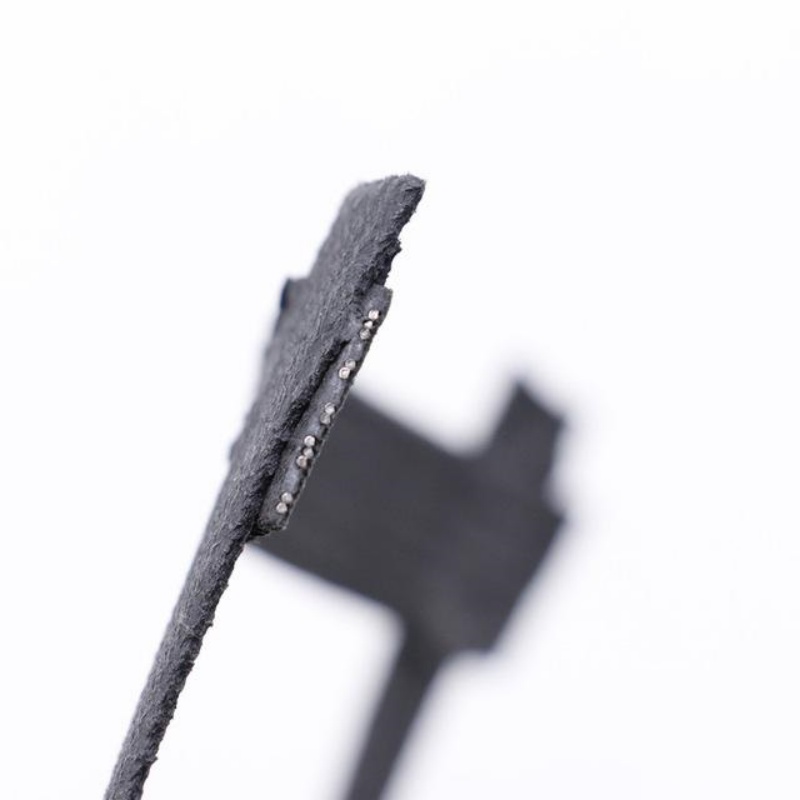
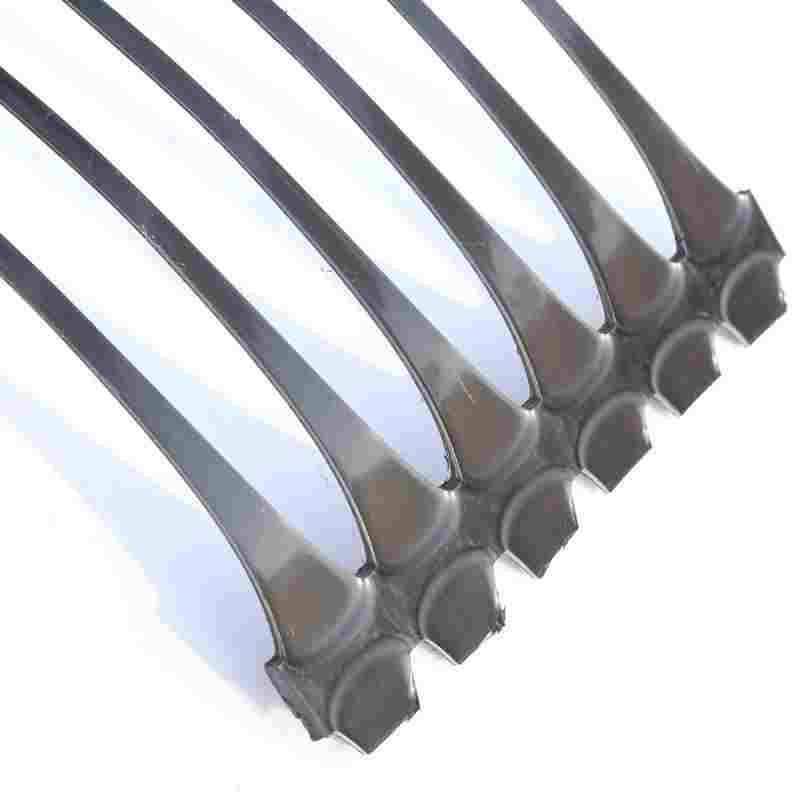
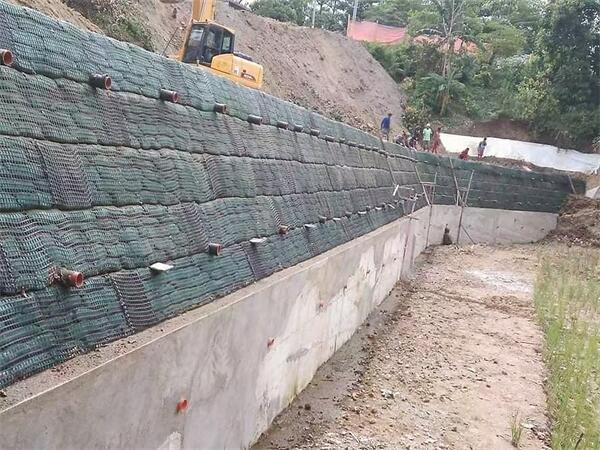
Welded polyester geogrids are made using polyester strips, which are ultrasonically welded at their intersections to form a rigid grid-like structure. This welding process results in a strong but less flexible product compared to warp-knitted geogrids. The structural rigidity of welded geogrids makes them effective in certain applications but introduces limitations in others.
Welded Polyester Geogrid Advantages
-
High Structural Integrity: The welded joints provide consistent strength across the entire grid.
-
Excellent Load Bearing: Welded geogrids are particularly effective in handling concentrated loads.
-
Dimensional Stability: The rigid structure ensures minimal deformation under stress.
-
Cost Efficiency: Often more affordable for projects requiring large-scale reinforcement.
Welded PET Geogrid Limitations
Higher Shipping Costs: Due to their larger roll diameter and volume, welded geogrids often incur higher international freight costs. This can significantly impact their competitiveness in global trade.
Welded PET Geogrid Applications
-
Heavy-Duty Pavements: Ideal for applications with high traffic loads.
-
Landfill Linings: Providing reinforcement and separation in waste containment systems.
-
Base Reinforcement: Strengthening foundations for large structures.
-
Mining Operations: Stabilizing soil in mine tailings and access roads.
Why Warp-Knitted Polyester Geogrids Dominate International Trade
While both types of geogrids have their merits, warp-knitted polyester geogrids are often the preferred choice in international trade. The primary reasons include:
-
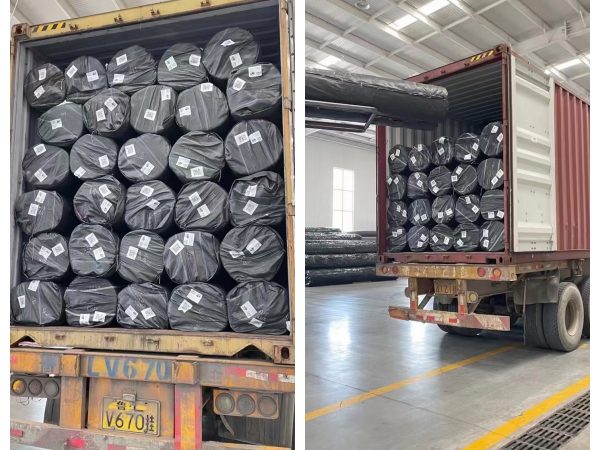
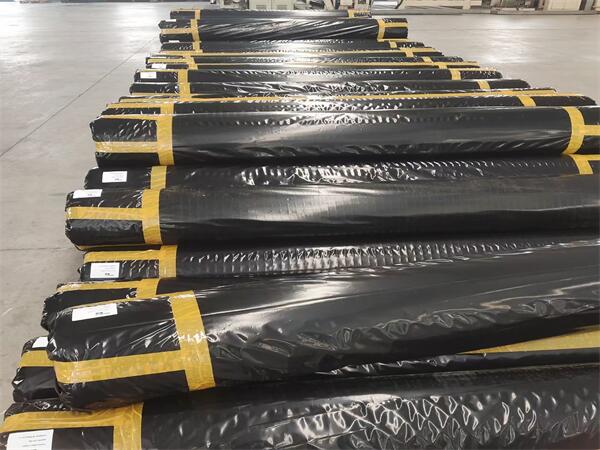
Cost-Effective Shipping: Their lightweight and compact rollable design reduce shipping volume and costs, making them more economically viable for international buyers.
-
Versatility: The flexibility and superior tensile strength of warp-knitted geogrids make them suitable for a wider range of applications, from roads to retaining walls.
-
Performance Consistency: Buyers value the durability and adaptability of warp-knitted geogrids, especially in projects requiring long-term reliability.
Comparison: Warp Knitted vs. Welded PET Geogrids
| Feature | Warp Knitted | Welded |
|---|---|---|
| Tensile Strength | High in both directions | Concentrated at joints |
| Flexibility | Highly flexible | Rigid structure |
| Durability | Excellent with coated protection | Strong with potential joint weaknesses |
| Cost | Moderate to high | Generally lower |
| Ease of Installation | Easy due to lightweight rolls | Heavier, requiring more effort |
| Shipping Efficiency | Compact rolls, lower freight costs | Larger volume, higher freight costs |
| Best Applications | Roads, slopes, retaining walls | Heavy-duty pavements, landfill linings |
Key Considerations for Buyers to Select Warp Knitted or Welded
-
Project Requirements
Evaluate the specific needs of your project. For applications requiring flexibility and high tensile strength, warp-knitted geogrids are preferable. Conversely, if rigidity and structural integrity are critical, welded geogrids may be the better choice.
-
Cost vs. Performance
While warp-knitted geogrids tend to be more expensive, their superior performance in demanding environments often justifies the investment. Welded geogrids, however, offer a cost-effective solution for less complex projects but may introduce higher freight costs.
-
Environmental Factors
Consider the environmental conditions where the geogrid will be used. Ensure the product’s coating can withstand exposure to chemicals, moisture, and UV radiation.
Regarding the Quantity of Polyester Geogrid Yarn
-
Variation in Yarn Numbers: The number of yarns in the same specification of bidirectional geogrid can vary. For example, an 80-80K bidirectional polyester geogrid may have two warp and two weft yarns (two yarns in both longitudinal and transverse directions), or three warp and three weft yarns. Despite these differences, they all have an 80-80KN specification because the tension of coarse yarns is higher, and the tension of fine yarns is lower. If the combined tension of two coarse yarns matches that of three fine yarns, their specifications and performance parameters are identical.
-
Yarn Configuration: Polyester geogrids can have different configurations, such as two warp and two weft (two yarns in both directions), three warp and three weft, four warp and four weft, and some high specifications may reach five warp and five weft.It is not necessary for the number of yarns in the vertical and horizontal directions to be the same. In theory, two thick yarns and three thin yarns can meet the same technical standards.
-
Different Tensile Forces: Specifications with different tensile forces in two directions, such as 200-40KN, can be made with four warp and three weft yarns. This configuration meets the demand for unidirectional stress and can also be referred to as a unidirectional polyester geogrid.
Competitive Advantages of Chinese Polyester Geogrids
Polyester geogrids from Chinese manufacturers not only deliver superior performance but also benefit from a well-established supply chain, offering numerous advantages to global buyers:
-
Advanced Technology: Automated production lines ensure precise specifications and consistent performance.
-
Comprehensive Quality Certifications: Most Chinese suppliers are ISO 9001 and CE certified, meeting international standards.
-
Cost Competitiveness: With economies of scale and localized raw material sourcing, Chinese manufacturers provide some of the most competitive pricing in the global market.
-
Quick Response Capability: Chinese manufacturers are known for efficient customer service and export capabilities, ensuring rapid order processing and international shipping.
Expert Buyer’s Guide: How to Source Polyester Geogrids from China
To ensure the procurement of high-quality polyester geogrids, buyers should consider the following key points:
Define Technical Requirements
Specify tensile strength, aperture size, and weather resistance requirements based on project needs.
Request test reports from suppliers to verify product compliance with design specifications.
Assess Production and Delivery Timelines
Understand the supplier’s production capacity to ensure timely delivery of bulk orders.
Evaluate logistics options to avoid delays caused by international transportation.
Draft Clear Contracts
Clearly outline contract terms, including delivery dates, quality standards, and after-sales services.
Carefully review quotations to avoid hidden costs before finalizing the order.
Why Do Polyester and Fiberglass Geogrids Look Similar?
Both polyester and fiberglass geogrids are warp-knitted geogrids that undergo similar warp knitting and coating processes, with production equipment and raw materials involving long filament yarns made from fibers. As a result, they have a similar appearance. However, they differ significantly in elongation, weight, creep, and suitable environments.
Problems Identified During Testing of Warp-Knitted Geogrids
During the testing of warp-knitted geogrids, the following issues were observed:
-
Initial Fixture Distance: Different initial fixture distances can affect elongation and strength test results.
-
Stretching Rate Regulations: The impact of varying stretching rate regulations on test results needs further study.
-
Fixture Padding: The presence or absence of padding in the clamping jaws during stretching directly affects strength and elongation test results.
-
Testing Methods: There are differences in test strength when using the wide strip method versus the single rib method for stretching warp-knitted geogrids.
Current Research Status of Warp-Knitted Polyester Geogrids
Research on warp-knitted polyester geogrids primarily focuses on the following aspects:
-
Physical and Mechanical Properties: Including tensile strength and reinforcement performance.
-
Interface Friction Performance: A key factor affecting their performance in geotechnical applications.
-
Creep Performance: An important indicator of long-term stability.
However, research into the long-term performance of warp-knitted geogrids and their effectiveness in specific applications remains limited. The current exploration phase faces several challenges:
-
Testing Instrument Issues: There is no standardized testing instrument internationally. Most tests are conducted using modified equipment, which often results in inaccuracies due to size limitations and measurement errors.
-
Complex Testing Environments: The real-world environment for geotechnical materials is complex and variable.Laboratory tests often fail to fully reflect actual application conditions.
-
Lack of Systematic Testing: While many tests have been conducted, they are often focused on specific aspects, lacking comprehensive and systematic research on all influencing factors.
-
Lag Between Theory and Practice: In practical engineering, theoretical guidance is often lacking.Designs and constructions sometimes rely on experience or unreliable data, leading to potential safety risks.
-
Long-Term Stability Requirements: Geotechnical materials need to be stable over long periods, but experiments are often limited by time constraints, making long-term testing difficult.
Key Milestones in Polyester Geogrid Development
Polyester geogrids were first invented by F.S. Merce in the United Kingdom in 1979. The initial application of high-strength polyester fibers in the production of polyester geogrids began in 1980 by the British company ICI. Today, polyester has become the primary material used in the production of these geogrids.
1.Early Adoption in North America (1987) By 1987, more than 50% of retaining walls in North America utilized polyester geogrid reinforcement. This proportion has continued to increase as the benefits of polyester geogrids become more widely recognized.
2.Initial Use in China (1994) In 1994, polyester geogrids were introduced to several major highways in China, including the Ning-Lian Expressway, the Shanghai-Nanjing Expressway (Nanjing, Zhenjiang, Changzhou, and Wuxi sections), and the Taihua Expressway. These initial applications demonstrated positive results and effectiveness.
3.Advancements in Japan (1996) Japan incorporated preloaded stress polyester geogrid technology into a railway bridge project in 1996. This technology was chosen over traditional reinforced concrete structures due to its superior cost-performance ratio. Monitoring over a year confirmed that the polyester geogrid-reinforced foundation outperformed the reinforced concrete in performance.
4.Significant Project in China’s Yunnan Province (1996) In 1996, the Kunxi Grain Transfer Storage Railway Line in Kunming, Yunnan, faced significant challenges due to the thick, soft soil layers (with boreholes reaching over 80 meters without penetrating the soil). For a 249-meter section, polyester geogrid-reinforced sand cushion layers were used, with two layers of polyester geogrids installed. The project has been in operation since completion and continues to perform well.
5.Slope Reinforcement on the Guangtong-Dali Railway (1997) In 1997, the Guangtong-Dali Railway's high slope reinforcement project in Dali, Yunnan, involved a 29-meter high embankment in a seismic zone (9-degree earthquake region). Seven layers of polyester geogrids were used, with a 1.5-meter spacing between layers. The project has been stable with no deformation since its completion.
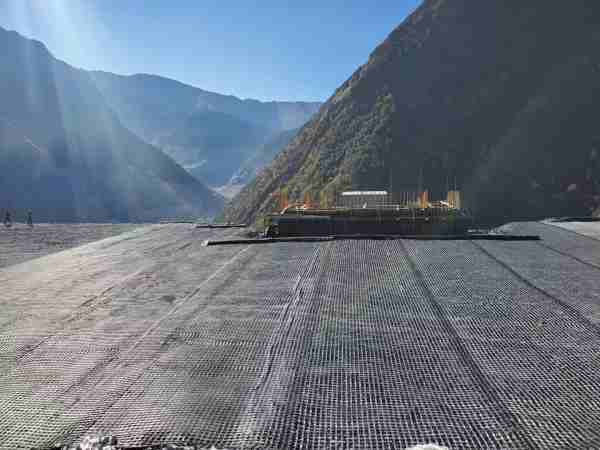
6.Innovative Use in Sichuan's Yele Hydropower Station The Yele Hydropower Station in Sichuan adopted polyester geogrids to create an earthquake-resistant system for the first time in water power engineering. The dam, which experienced two earthquakes (magnitude 3.4 and 4) on October 9, 2005, and August 16, 2006, respectively, showed no abnormal changes in the dam structure as confirmed by monitoring instruments.
International Application Cases of Polyester Geogrid
Warp-knitted geogrids have been widely used in various projects, including vertical retaining walls in Wisconsin, slope seismic reinforcement in California, slope and foundation reinforcement at Hasrsifed International Airport in Atlanta, soft soil foundation reinforcement in Louisiana, and highway subgrade reinforcement in Germany. These are successful application examples. Warp-knitted geogrids from companies such as Strata, Bayex, and USASpantex have also been used in support structures, foundations, embankment and slope reinforcement, and road surface repair and reinforcement projects.
In China, warp-knitted geogrids are used in highway and railway subgrades, soil embankment and bank slope reinforcement, retaining structures, erosion-resistant structures, bridge pile structures, slope repair or reinforcement, and soft soil foundation reinforcement. They have also been applied in 25 fields, including concrete and rock crack repair, road surface reinforcement, and reflective crack prevention and control. The warp-knitted pet geogrid has been successfully used in major projects in China. For example, in the key project of Zhejiang Province—the Ningbo Daxie Island Bridge Approach Project—domestically produced high-strength polyester warp-knitted geogrids (over 20,000 m²) were used for foundation treatment, overcoming the issue of partial grid fracture after filling and compaction. Similarly, the Shuangliu section of the Chengya Expressway in Sichuan Province, located on a steep slope with impact sandy soil, used high-strength polyester warp-knitted geogrids to prevent landslides and local foundation settlement. Additionally, warp-knitted polyester geogrids have been used in soft soil foundation treatment for projects such as the Yunnan Yuanmo Expressway, Ningbo Development Zone first-class highway, and Jiaxing Outer Ring of National Highway 320.
In summary, polyester geogrids have become a crucial material in civil engineering because of their distinctive properties and wide range of uses. As a supplier, manufacturer, and exporter of polyester geogrids,this article has examined their production processes and real-world applications, showcasing their significant functionality and global success. We hope this detailed guide provides valuable insights and inspires further exploration of this essential product.
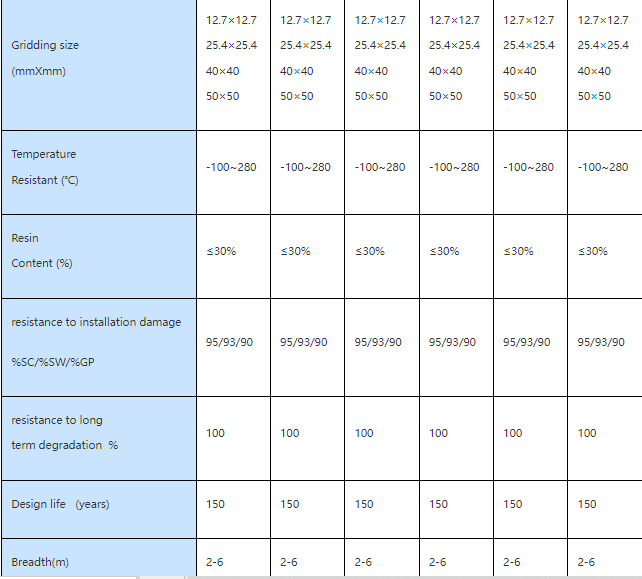
Polyester Geogrid Biaxial Type
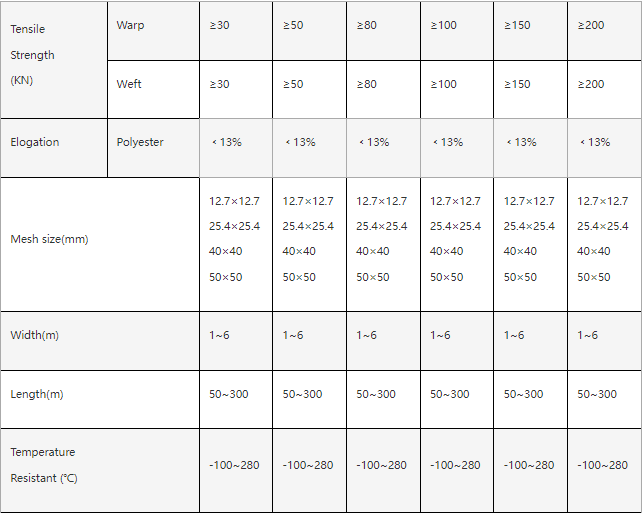
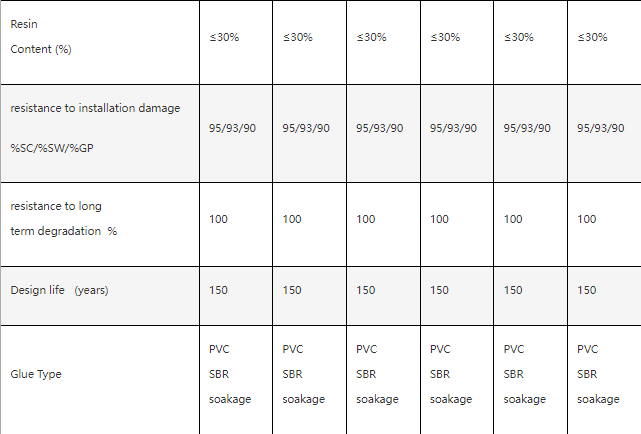
Polyester Geogrid Uniaxial Specifications