

Plastic Uniaxial Geogrid
As a supplier, manufacturer, and exporter of uniaxial plastic geogrid(HDPE/HDPP),we aim to provide a thorough guide to uniaxial plastic geogrid(HDPE/HDPP),this article aims to provide you with a comprehensive introduction to plastic uniaxial geogrids, serving as a detailed reference for your knowledge. Plastic uniaxial geogrids are made primarily from polypropylene (PP) or high-density polyethylene (HDPE) and include UV-resistant and anti-aging additives. We will thoroughly cover their production process, manufacturing standards, advantages, differences from biaxial geogrids, and areas of application, helping you gain a complete understanding of this essential engineering material.
Quick Navigation: Jump to the sections you care about!
Introduction to Plastic Uniaxial Geogrid
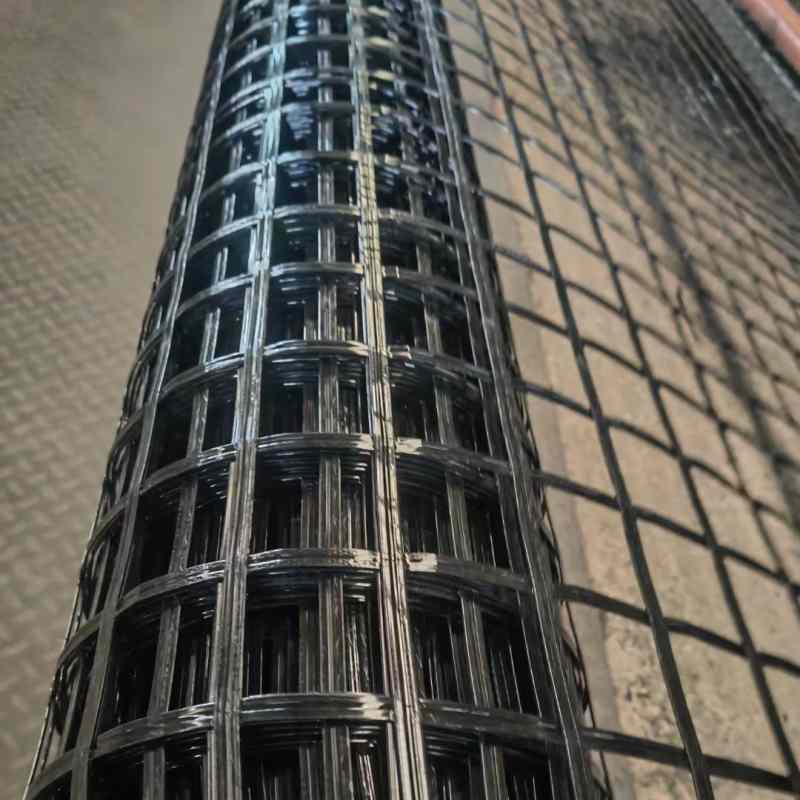
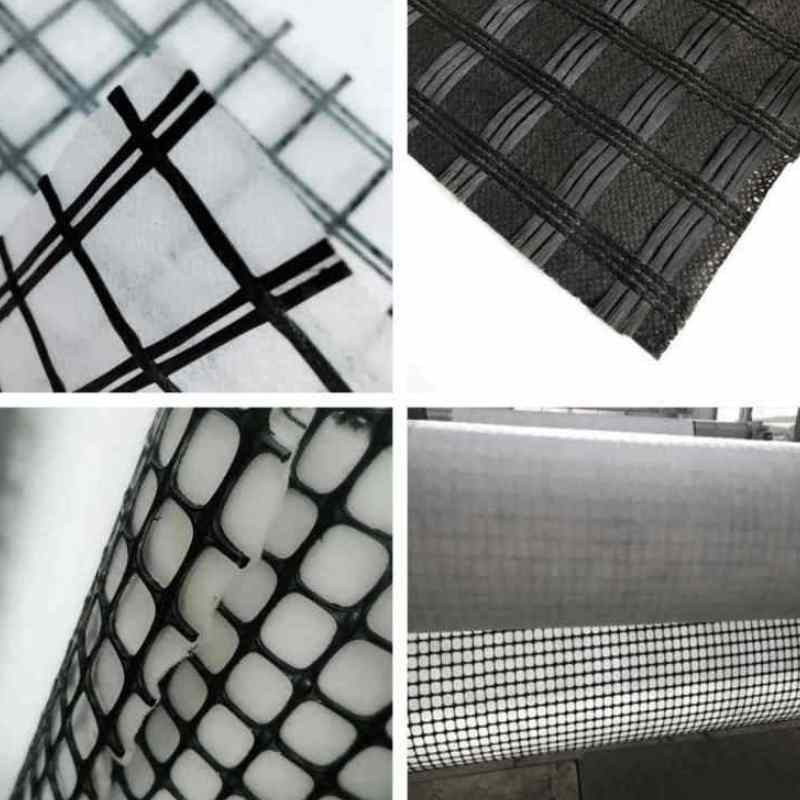
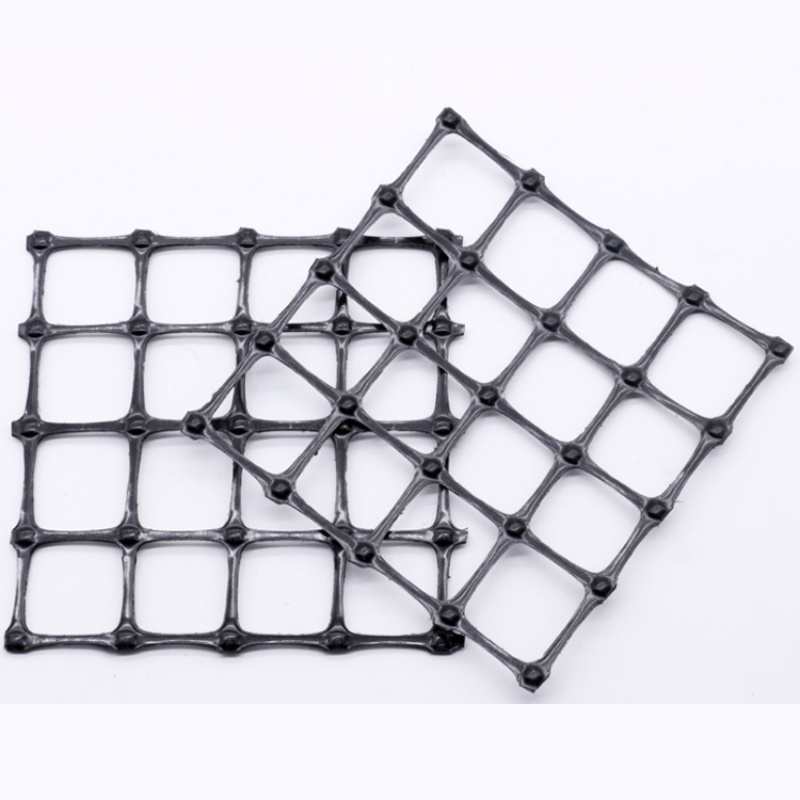
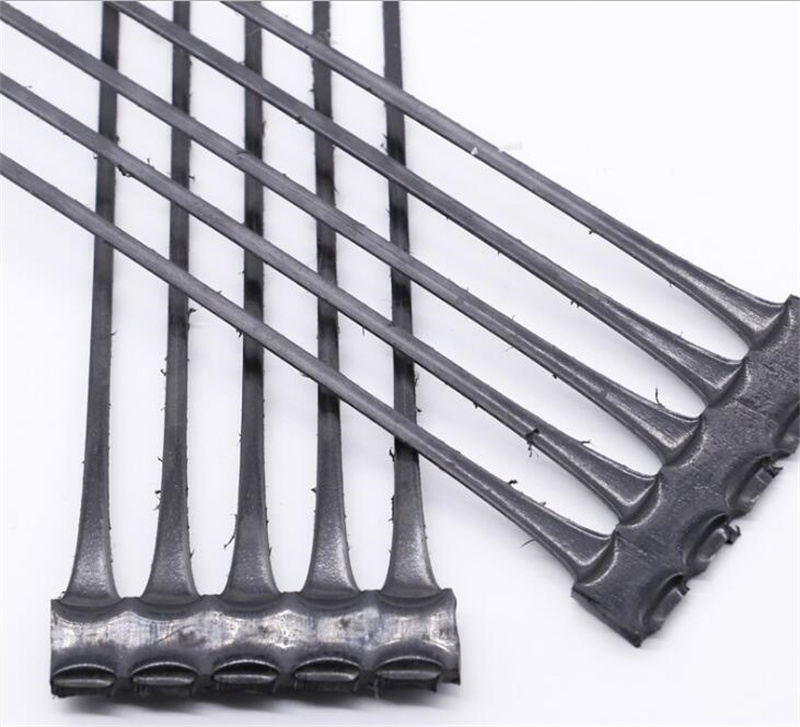
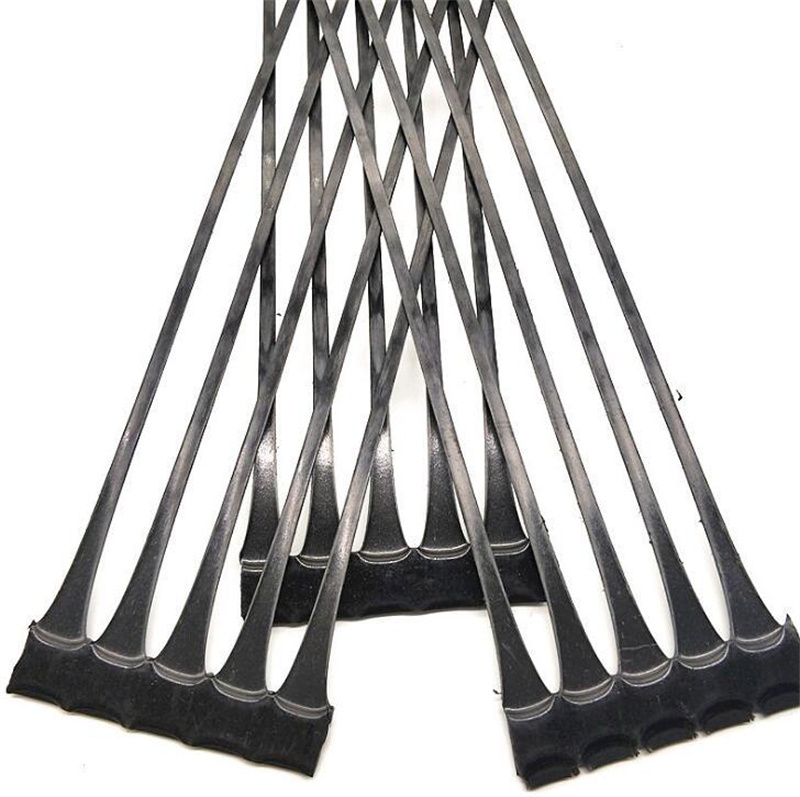
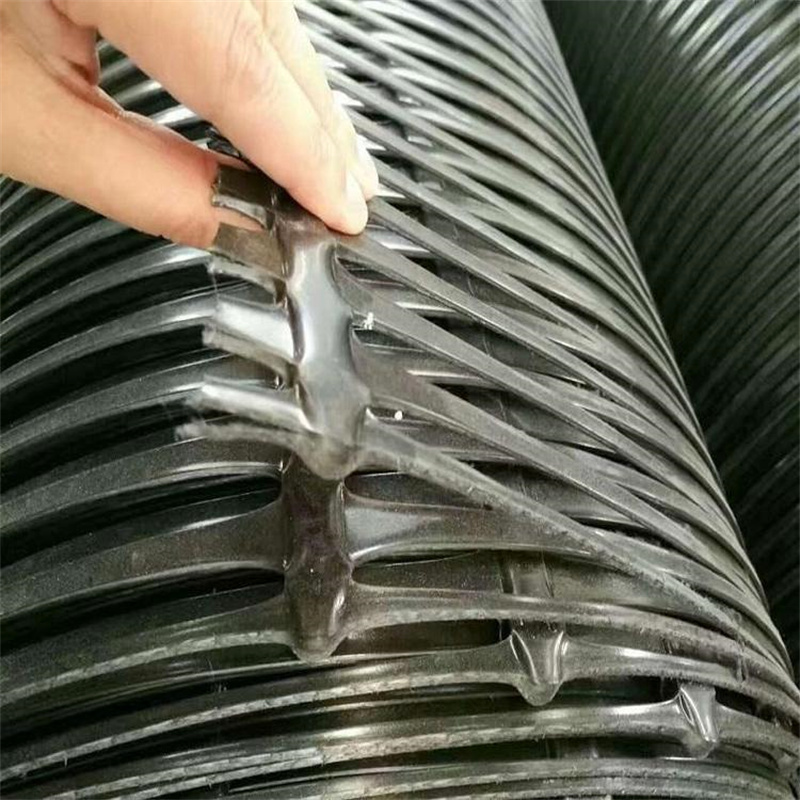
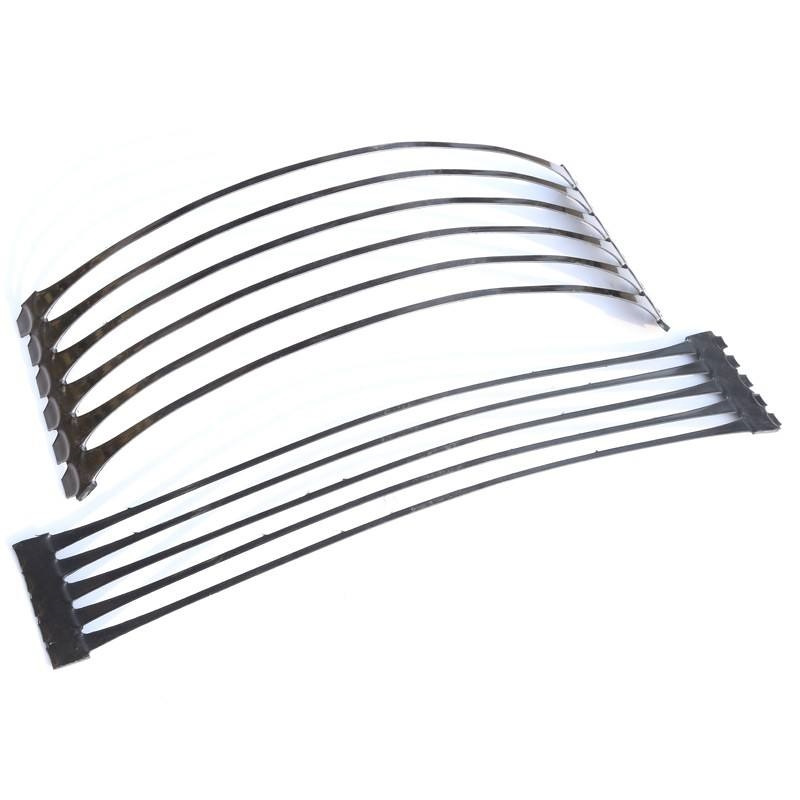
The geogrid is manufactured from polypropylene (PP) or high-density polyethylene (HDPE) as the main raw material, incorporating UV-resistant and anti-aging additives. It is produced through extrusion, punching, and longitudinal stretching processes.
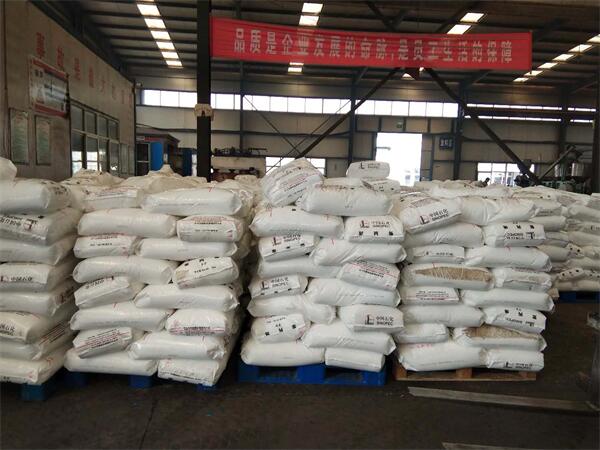
Plastic uniaxial geogrids can be categorized into polypropylene geogrids and high-density polyethylene geogrids based on the raw materials used.
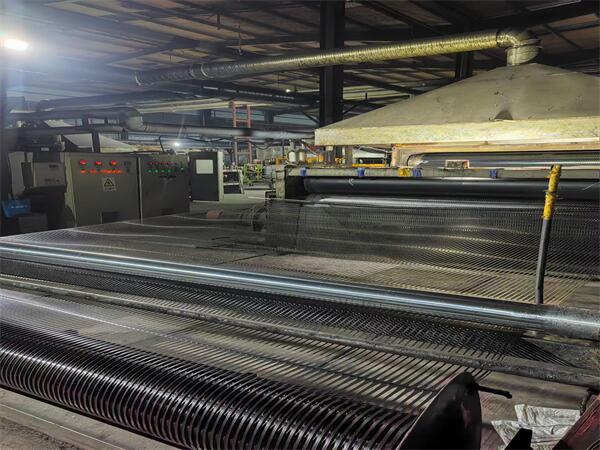
Components of a Uniaxial Plastic Geogrid Production Line
A complete production line for plastic uniaxial geogrids consists of a sheet extrusion device, a sheet punching device, a longitudinal stretching device, and a winding device.
Advantages of Chinese Plastic Uniaxial Geogrids
Since 2002, China has developed advanced technology for manufacturing plastic geogrids and continuously introduced new products. These products feature high tensile strength, high tensile modulus, high rigidity, high creep resistance, wide widths, and special properties such as flame retardancy. They have set global trends in the plastic geogrid industry and technology.
Additionally, China is currently the largest market for plastic geogrids worldwide, leading to continuous production improvements, optimization of manufacturing processes, increased efficiency, and reduced costs.
Differences Between Uniaxial and Biaxial Plastic Geogrids
The material of Biaxial plastic geogrids is polypropylene (PP), while uniaxial geogrids can be made from both polypropylene and polyethylene.
Uniaxial geogrids undergo stretching in one direction only, whereas Biaxial geogrids are stretched in both vertical and horizontal directions.
Biaxial geogrids have a wider range of applications but have a maximum tensile strength of only 50-50kN. Uniaxial geogrids can achieve higher tensile strength in one direction, up to 300kN.
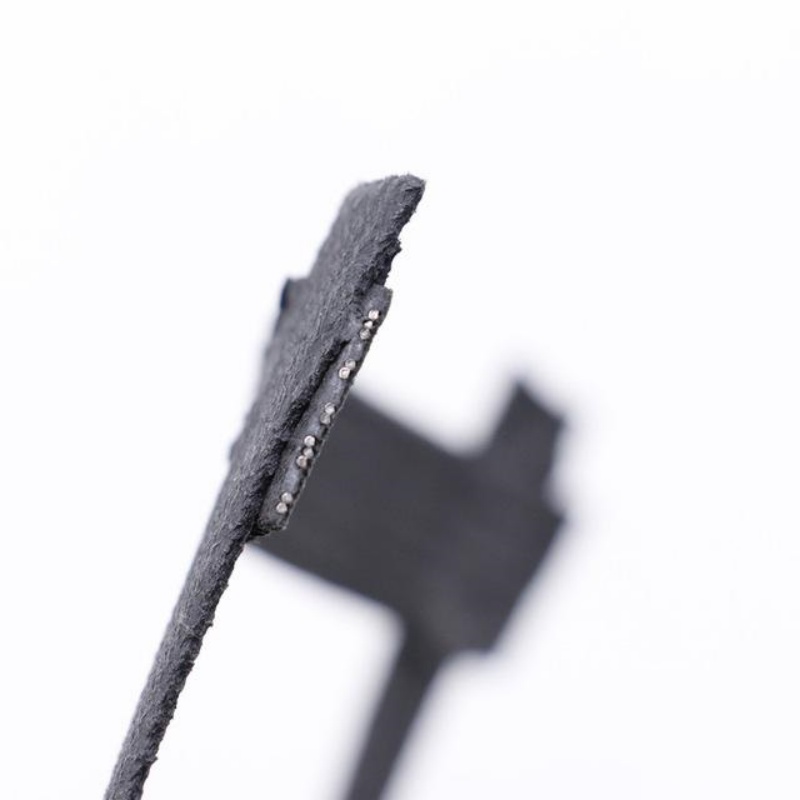
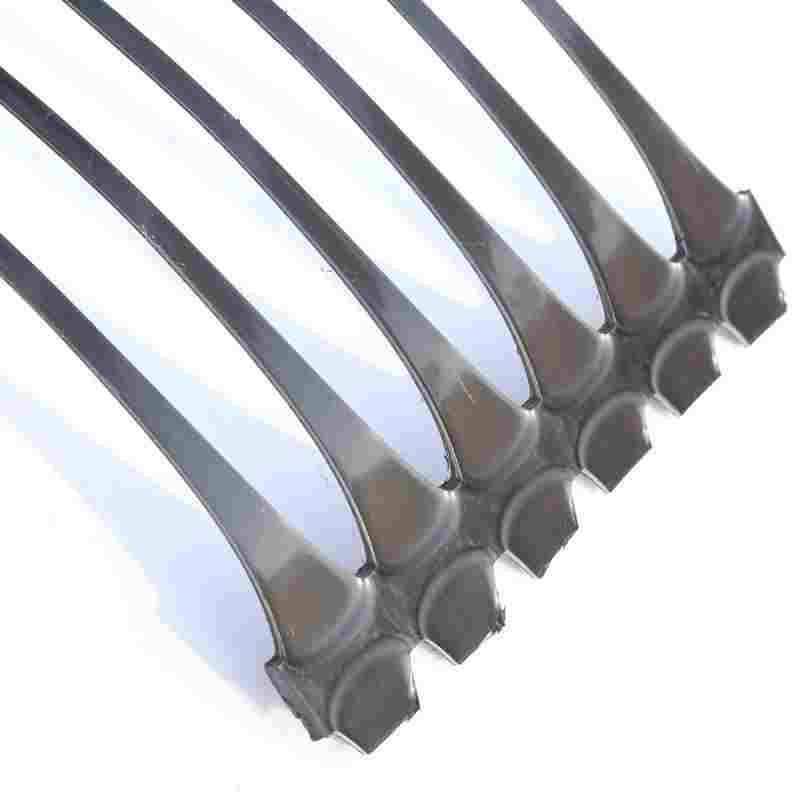
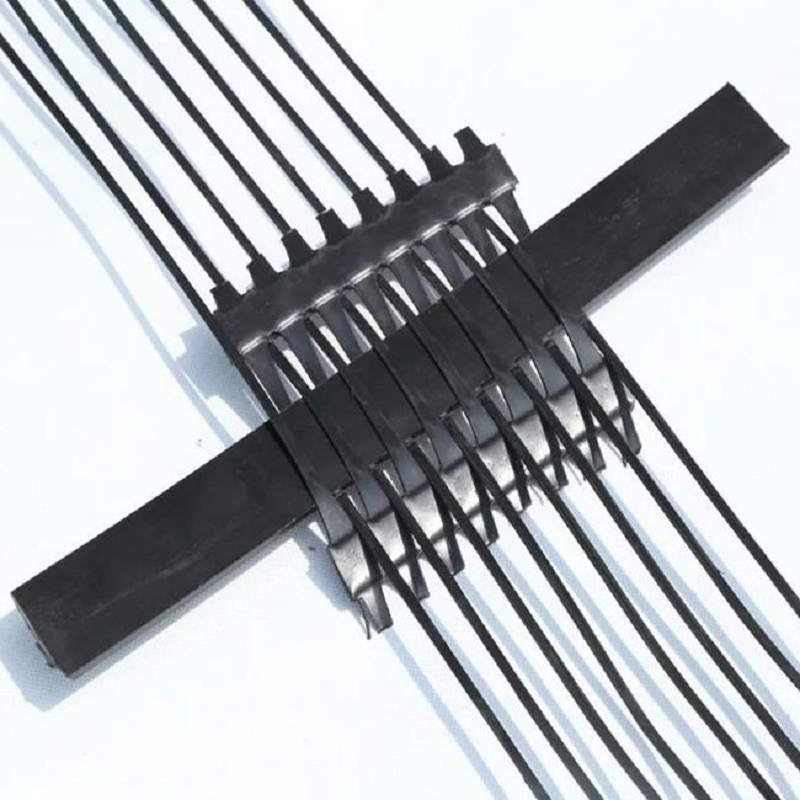
For overlapping, uniaxial geogrids can be customized with plastic connecting rods or use plastic ties and U-shaped nails. Biaxial geogrids typically require plastic ties or U-shaped nails.
Uniaxial geogrids are available in widths of 2.5 meters or 3 meters, while Biaxial geogrids can be as wide as 6 meters.
Characteristics of Plastic Uniaxial Geogrid
Superior Mechanical Properties: Uniaxial plastic geogrids exhibit high tensile strength perpendicular to the manufacturing direction and good ductility along the manufacturing direction, effectively dispersing and transferring stress within the soil.
Significant Reinforcement Effect: When used in roadbeds or foundations, they enhance the bearing capacity, limit lateral deformation of the soil, and improve overall stability.
Strong Durability: The plastic material provides excellent chemical stability and corrosion resistance, reducing aging and brittleness over time in natural environments, leading to a long service life.
Convenient Construction: Lightweight, easy to transport, cut, and install, with a high friction coefficient with soil or other building materials, ensuring a good fixing effect.
Principle of Action of Plastic Uniaxial Geogrid
The stretching process realigns initially dispersed chain-like molecules into a linear state, greatly enhancing the grid's tensile strength and stiffness. When HDPE uniaxial tensile plastic geogrid is laid on the ground, it forms a tension transmission mechanism through the interlocking of the grid with the ground. This mechanism efficiently distributes local loads across a broad area of foundation soil, thereby reducing localized pressure and extending the project’s service life.
Applications of Plastic Uniaxial Geogrid
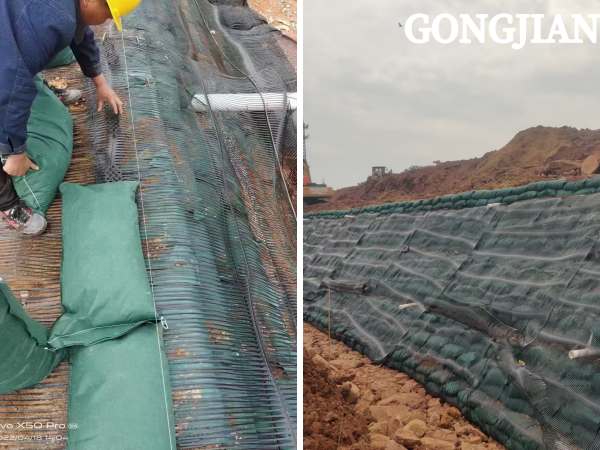
Reinforcement of Embankment Slopes and Retaining Walls:Uniaxial plastic geogrids offer high strength and low stress relaxation, suitable for various natural soil layers, effectively reinforcing tall retaining walls. Traditional embankments, especially high embankments, often require overfilling, and shoulder edges are difficult to compact, which can lead to instability and water infiltration. Geogrids can reduce the occupied area by half, extend service life, and lower costs by 20-50%.
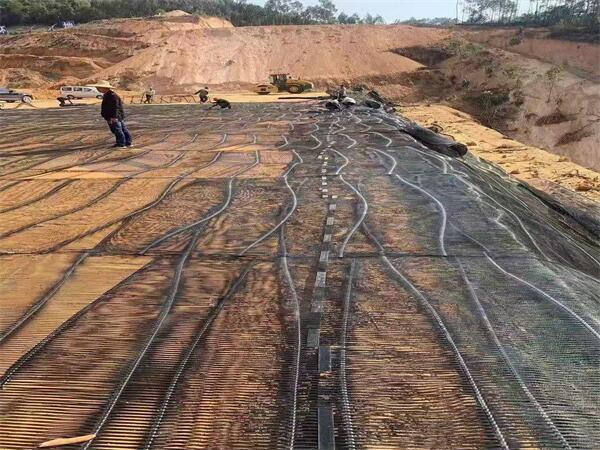
Foundation Strengthening: In various conditions, uniaxial geogrids enhance the interlocking of the reinforced bearing surface, improve the bearing capacity of the roadbed, control lateral displacement of sand, and improve roadbed stability. The lateral limiting effect effectively distributes the load to a wider base layer, reducing base layer thickness, project costs, and construction time while extending service life.
Deep-Sea and Riverbank Structure Reinforcement: Uniaxial geogrids address the limitations of other materials used in gabion nets that suffer from low compressive strength, poor corrosion resistance, and short service life due to long-term abrasion.
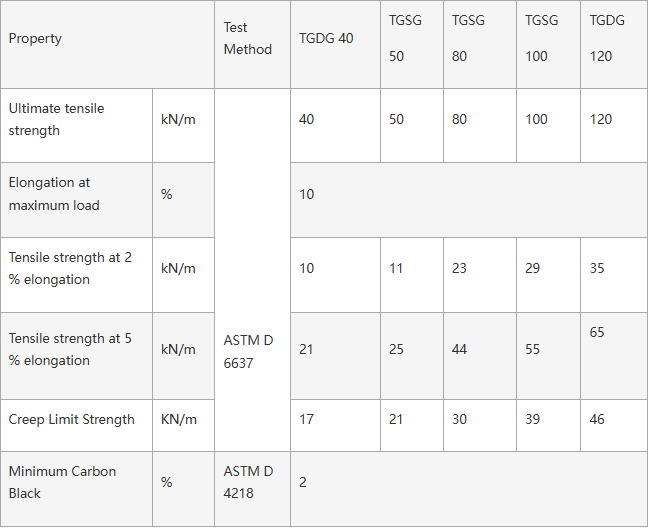
Uniaxial Stretched Integral Plastic Geogrid Specification
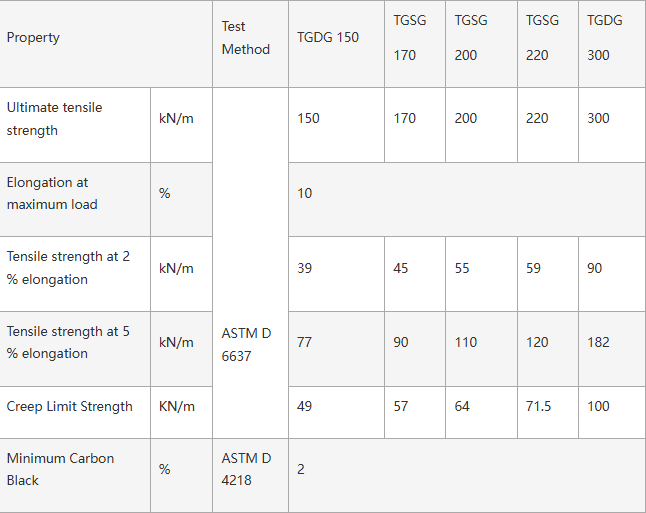
In conclusion, plastic uniaxial geogrids offer significant benefits in reinforcing soil structures with their high tensile strength, durability, and ease of installation. With advancements in technology and manufacturing, particularly from China, plastic uniaxial geogrids represent a cost-effective and high-performance choice for various engineering applications.As a supplier, manufacturer, and exporter of uniaxial plastic geogrid(HDPE/HDPP),we hope this guide equips you with the essential knowledge to effectively utilize plastic uniaxial geogrids in your projects.