


Geogrid mesh, an essential component in modern civil engineering, plays a vital role in soil stabilization and reinforcement. Made from polymeric materials, geogrids are designed to strengthen the ground, distribute loads more evenly, and prevent soil erosion. With applications ranging from road construction to retaining walls, geogrid mesh offers a variety of advantages that can significantly improve the durability and performance of infrastructure projects. This article explores the key benefits of using geogrid mesh, its applications, and why it is a preferred choice in soil reinforcement.
What is Geogrid Mesh?
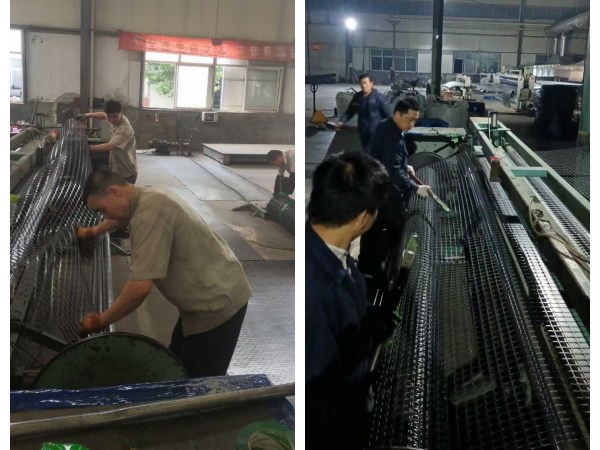
Geogrid mesh is a type of geosynthetic material that consists of a grid-like structure designed to stabilize soil and improve the performance of the underlying ground. Typically made from high-strength polymers like polyester, polypropylene, or polyethylene, geogrids are used to reinforce soil in a variety of construction projects. These grids have openings that allow them to interlock with the surrounding soil, creating a stronger and more stable structure.
Key Benefits of Geogrid Mesh
Improved Load Distribution
Geogrid mesh helps to distribute loads more evenly across the surface of the ground. This is especially important in areas with weak or unstable soil, where uneven load distribution can lead to settlement or failure. By reinforcing the soil, geogrids prevent excessive deformation and ensure a stable foundation for construction.
Enhanced Soil Stability
One of the primary uses of geogrid mesh is in soil stabilization. The grid structure enhances the friction between the soil particles, preventing soil movement and erosion. This is particularly useful in projects such as embankments, slopes, and retaining walls, where soil instability can lead to structural issues.
Cost-Effective Solution
Using geogrid mesh can reduce the need for expensive foundation materials and complex soil treatments. By reinforcing the existing soil, it eliminates the need for excessive excavation or the use of deep foundations, making it a cost-effective solution for many engineering projects.
Erosion Control
Geogrid mesh is also highly effective in controlling erosion. Its structure helps to hold the soil in place, preventing it from washing away during heavy rainfall or flooding. This makes it an ideal material for road embankments, riverbanks, and other projects prone to erosion.
Versatile Applications
Geogrid mesh is used in a wide range of applications. It can be employed in road construction, pavement reinforcement, retaining walls, slopes, embankments, and even in the construction of bridges and airports. Its versatility makes it a go-to material for civil engineering projects worldwide.
Applications of Geogrid Mesh
Road Construction: Geogrid mesh is commonly used in the base and sub-base layers of roads to enhance the structural integrity and reduce the need for additional pavement layers.
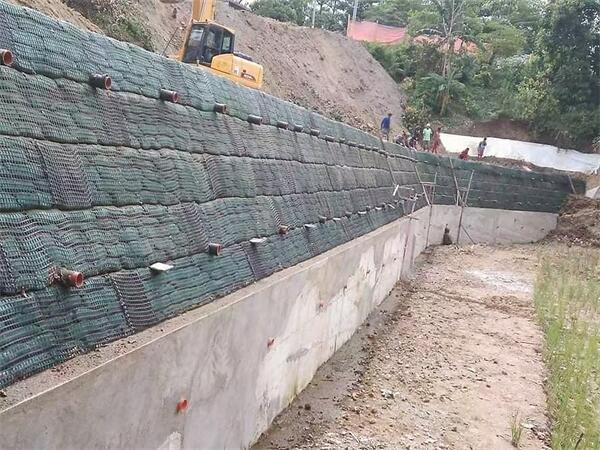
Retaining Walls: Geogrids help reinforce retaining walls, allowing them to handle larger loads and reducing the risk of wall failure.
Slope Stabilization: In areas with steep slopes, geogrid mesh can prevent soil movement and enhance the stability of the slope.
Pavement Reinforcement: Geogrids are used to reinforce pavement structures, reducing maintenance costs and improving long-term performance.
Why Choose Geogrid Mesh?
The use of geogrid mesh has become increasingly popular due to its effectiveness in enhancing the longevity and stability of civil engineering projects. Its ability to reinforce and stabilize soil makes it a valuable asset in projects where ground conditions are challenging. Whether you are working on a roadway, retaining wall, or slope stabilization project, geogrid mesh offers a reliable and cost-effective solution that ensures the success of your construction endeavors.
Conclusion
In summary, geogrid mesh is a versatile, cost-effective, and highly beneficial material for improving soil stability and load distribution in various civil engineering projects. From road construction to retaining walls, its applications are vast, and its ability to prevent erosion and enhance foundation stability makes it a top choice for engineers worldwide. When you choose geogrid mesh for your next project, you're ensuring a stronger, longer-lasting structure that can withstand the test of time.


