
Composite Geomembranes
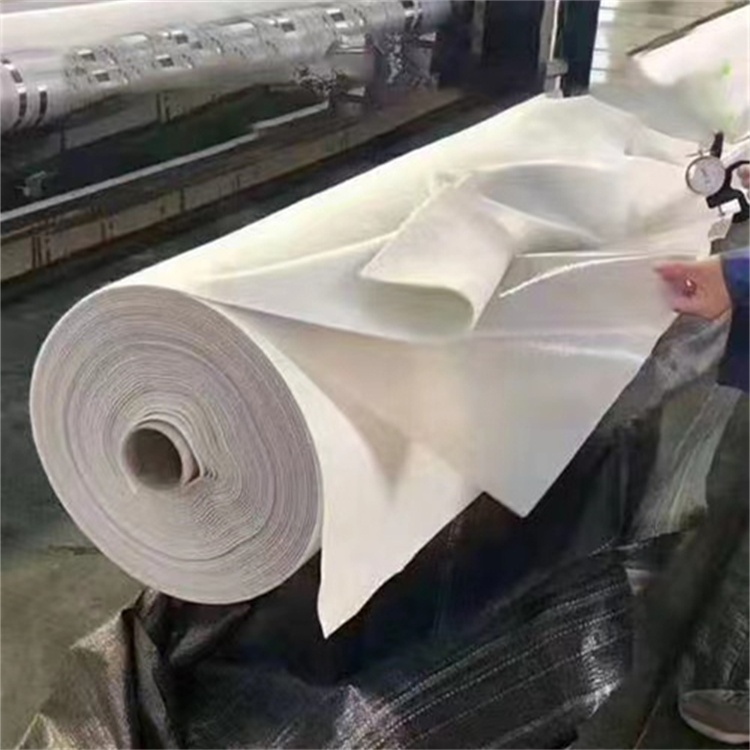
Composite geomembranes, also known as geo textile membranes, are essential products in civil engineering, waste management, and environmental protection. By combining a geomembrane (an impermeable liner) with one or more layers of geotextile (a permeable fabric), composite geomembranes offer enhanced durability, waterproofing, and strength. This makes them an ideal solution for a variety of applications, including landfills, reservoirs, tunnels, and embankments.At the end of the article, a table of product specifications and performance parameters is attached.
What Are Composite Geomembranes?
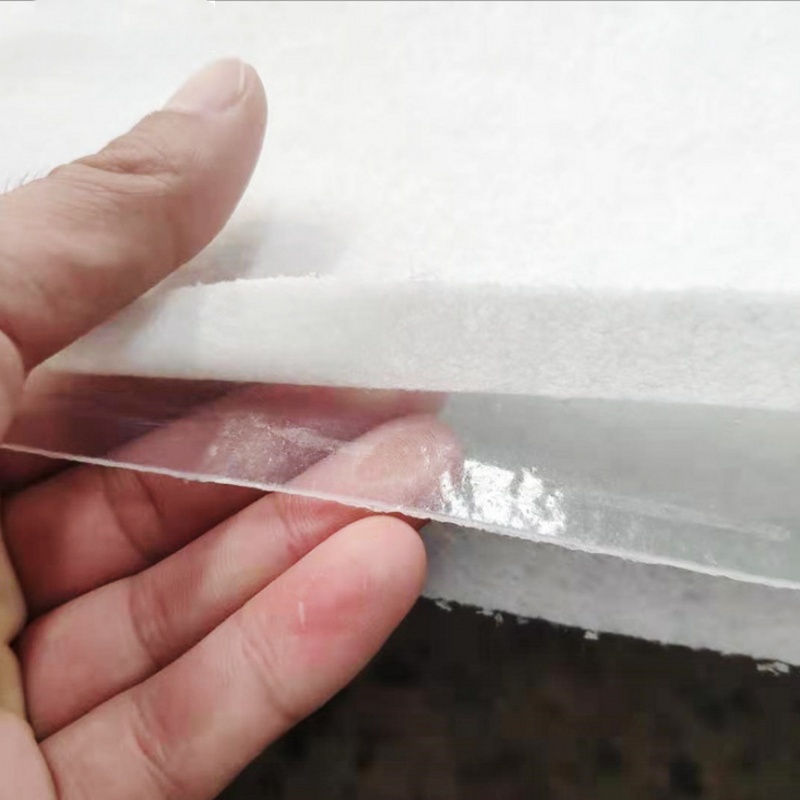
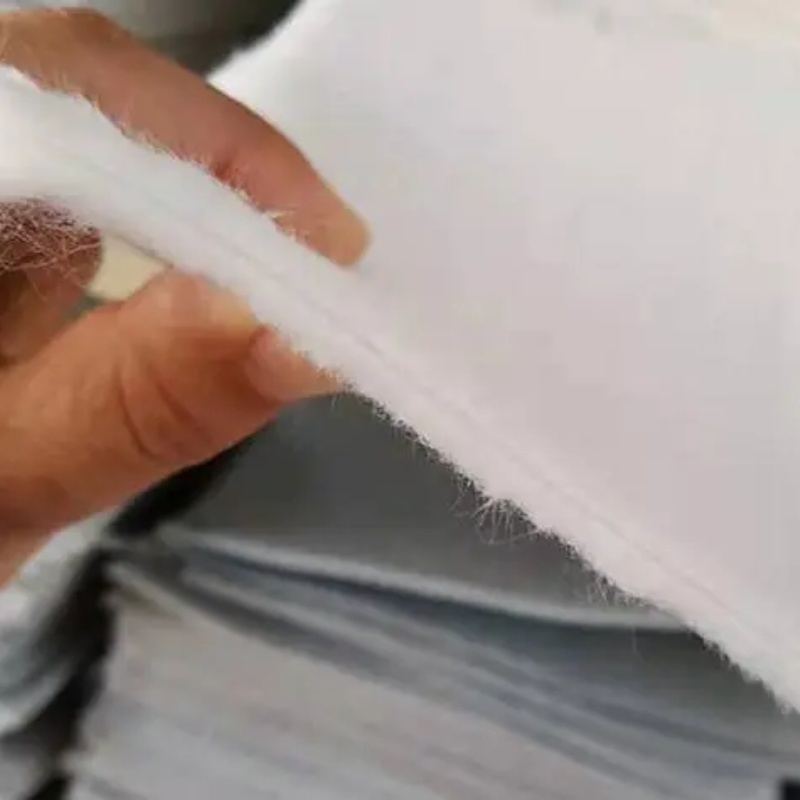
Composite geomembranes are advanced materials that bond a geomembrane with a geotextile layer, providing both impermeability and reinforcement. The geomembrane acts as a barrier to liquids and gases, while the geotextile provides added strength, puncture resistance, and stability. This combination results in a highly durable product suitable for protecting against leaks, erosion, and environmental contamination.
Key Components:
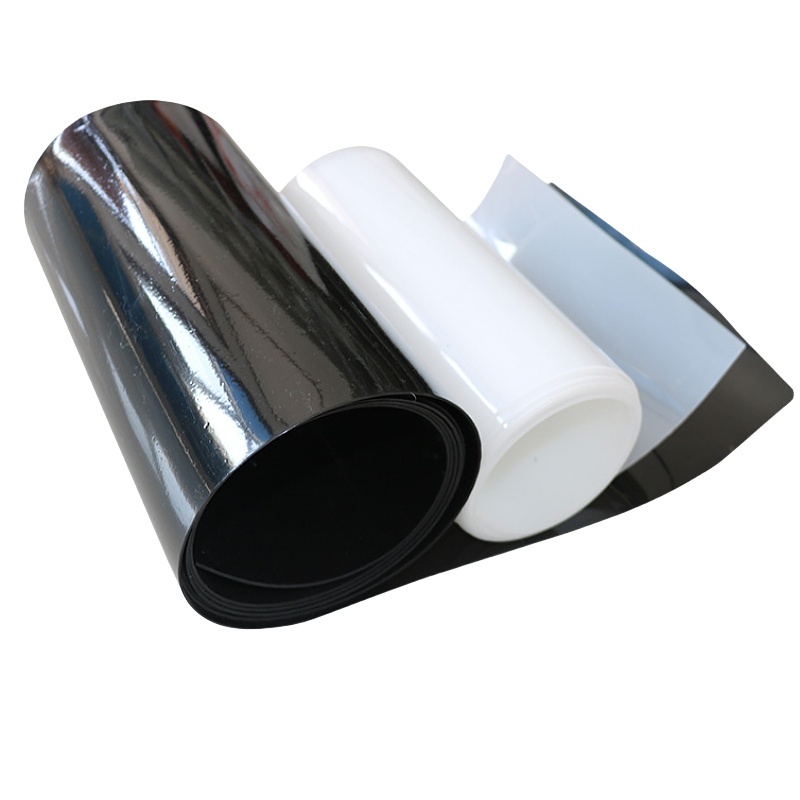
Smooth Geomembrane: Typically made of high-density polyethylene (HDPE), low-density polyethylene (LDPE), or polyvinyl chloride (PVC), providing an impermeable barrier.
Non Woven Geotextile: A nonwoven fabric that offers filtration, separation, and reinforcement.
Types of Composite Geomembranes
● Single-Sided Composite Geomembrane
This type has one side of the geomembrane bonded to a geotextile. The geotextile layer provides protection against punctures and enhances mechanical strength, making this composite ideal for landfill liners and subgrade reinforcement.
● Double-Sided Composite Geomembrane
Featuring geotextile on both sides of the geomembrane, this variant offers extra protection and durability. It is commonly used in projects requiring high resistance to physical damage, such as dam and reservoir linings.
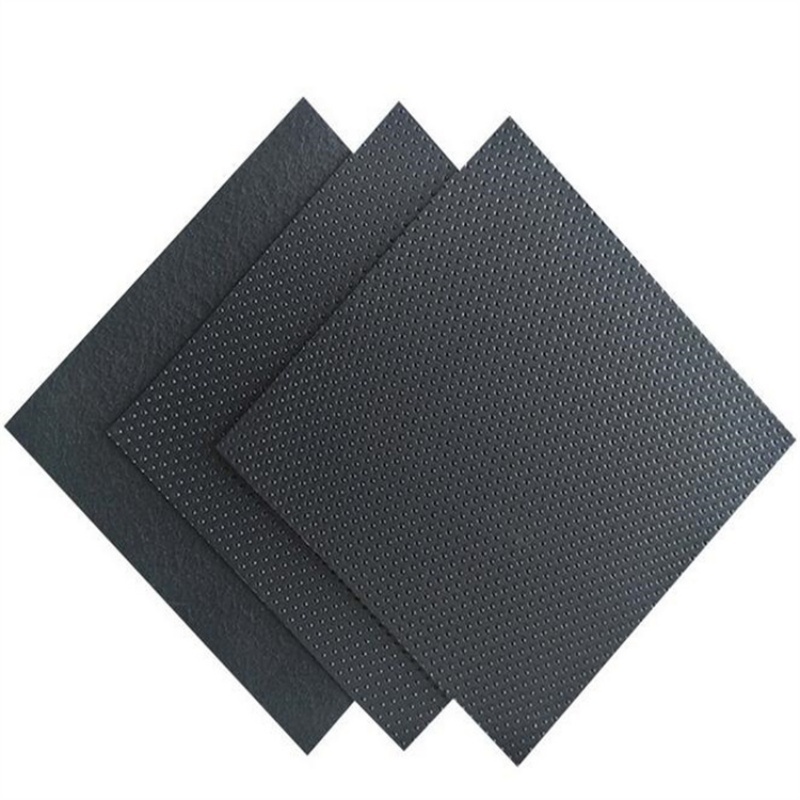
● Textured Composite Geomembrane
Some composite geomembranes have a textured geomembrane surface that increases friction, providing greater stability on slopes and embankments. The rough texture ensures better contact between the membrane and the surrounding soil.
Key Features and Benefits
●Superior Waterproofing
The geomembrane component provides an impermeable barrier that prevents liquid or gas migration. This is crucial in applications like landfills, ponds, and water reservoirs, where leakage control is essential.
●Reinforced Strength and Puncture Resistance
The geotextile layer increases the tensile strength and puncture resistance of the composite, making it more durable than a standalone geomembrane. This reinforcement makes it ideal for areas exposed to sharp objects or heavy loads.
●Chemical and UV Resistance
Composite geomembranes made from HDPE and other polymers are highly resistant to chemicals and UV radiation, making them suitable for long-term outdoor use in extreme conditions.
●Easy Installation
Compared to using separate geomembrane and geotextile layers, composite geomembranes are easier to install. This reduces labor costs and speeds up construction projects, making them a cost-effective choice.
Applications of Composite Geomembranes
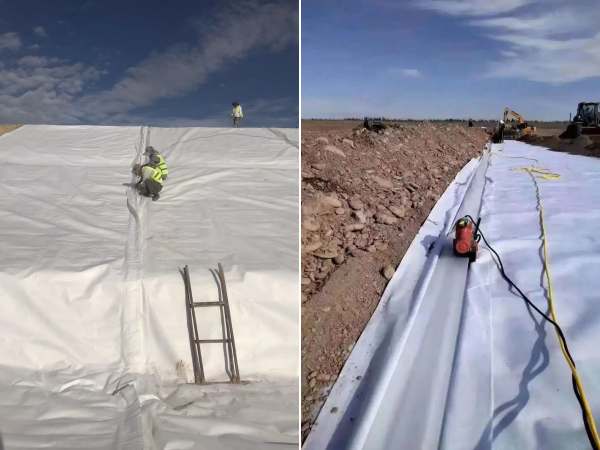
Composite geomembranes are used in a wide range of projects where waterproofing and soil reinforcement are critical. Below are some key application areas:
● Landfills and Waste Containment
Composite geomembranes are commonly used as landfill liners and caps to prevent leachate from contaminating the surrounding soil and groundwater. The geomembrane layer acts as a barrier, while the geotextile provides structural support.
● Water Reservoirs and Ponds
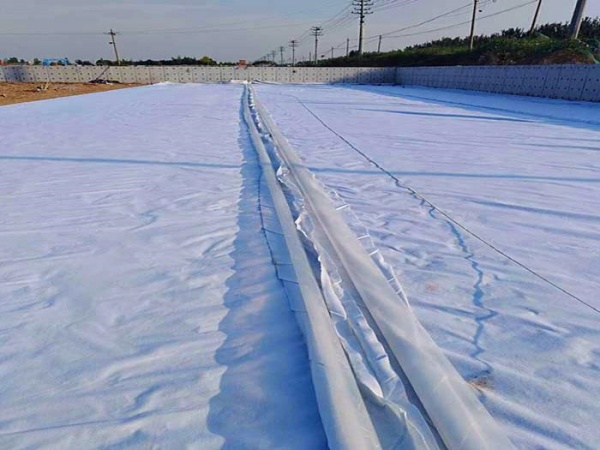
In water storage applications, such as reservoirs and ponds, geo textile membranes provide effective waterproofing, preventing water loss and ensuring the integrity of the reservoir lining.
●Tunnels and Underground Construction
Composite geomembranes are used in tunnel linings to prevent water ingress. The geotextile layer enhances drainage, while the geomembrane prevents seepage into the tunnel structure.
●Dams and Embankments
In dam construction, composite geomembranes provide reinforcement and waterproofing, helping to prevent erosion and improve the overall stability of the structure. Textured geomembranes are especially useful on slopes, where they increase friction and reduce the risk of sliding.
●Road Construction and Soil Stabilization
Geotextile membranes are used in road construction to stabilize the soil and reinforce the subgrade. The geomembrane component ensures that the structure remains impermeable, protecting it from water infiltration.
Factors to Consider When Choosing a Composite Geomembrane
●Material Selection
The type of material used in the geomembrane layer is important for determining chemical resistance and longevity. HDPE is the most common due to its balance of durability and cost. LDPE and PVC are also used for specific applications requiring more flexibility.
● Thickness
The thickness of both the geomembrane and geotextile layers affects the overall performance. Thicker materials offer greater puncture resistance and durability, but the specific requirements depend on the project's needs.
● Environmental Conditions
For projects in harsh environmental conditions, such as areas exposed to extreme temperatures or UV radiation, choose a composite geomembrane that offers enhanced resistance to these factors.
Geomembrane vs. Geotextile: Key Differences
While geomembranes and geotextiles are often used together in composite systems, they have distinct roles:
●Geomembrane: Acts as a waterproof barrier to prevent liquid and gas passage.
●Geotextile: Provides filtration, reinforcement, and separation, enhancing the mechanical properties of the composite material.
By combining these two materials, composite geomembranes offer the best of both worlds—impermeability and structural reinforcement—making them ideal for a wide range of construction and environmental projects.
Conclusion: Why Choose Composite Geomembranes?
Composite geomembranes offer an unmatched combination of impermeability, strength, and durability. Whether used in landfills, water reservoirs, or tunnel linings, geo textile membranes provide reliable performance and long-lasting protection. They reduce installation time and costs while providing superior resistance to environmental challenges, making them a key material in civil engineering and environmental protection projects.
For more information or to request technical specifications on geomembrane and geotextile composites, please contact us. GONGJIAN is an industry-leading supplier, manufacturer, and exporter. Composite geomembranes are an excellent investment for any project requiring waterproofing and reinforcement, ensuring long-term success and sustainability.
Composite Geomembrane Liner Specifications
| Test Item | Test Properties | Unit | BCM4 | BCM5 | BCM6 | BCM7 | BCM8 |
|---|---|---|---|---|---|---|---|
| Weight | g/m2 | 400 | 500 | 600 | 700 | 800 | |
| Film Thickness | mm | 0.25-0.35 | 0.30-0.50 | ||||
| Mechanical Properties | Break Strength | kN/m | 5.0 | 7.5 | 10.0 | 12.0 | 14.0 |
| Break Elongation | % | 30-100 | 30-100 | 30-100 | 30-100 | 30-100 | |
| CBR Burst Strength | KN | 1.1 | 1.5 | 1.9 | 2.2 | 2.5 | |
| Tear Resistance | KN | 0.15 | 0.25 | 0.32 | 0.40 | 0.48 | |
| Peel Strength | N/cm | ≥6 | ≥6 | ≥6 | ≥6 | ≥6 | |
| Hydrostatic Pressure | Film Thickness | mm | 0.2 | 0.3 | 0.4 | 0.5 | 0.6 |
| One cloth one film | MPa | 0.4 | 0.5 | 0.6 | 0.8 | 1.0 | |
| Two cloth one film | MPa | 0.5 | 0.6 | 0.8 | 1.0 | 1.2 | |