

Understanding HDPE Liner Price Trends and Key Influencing Factors
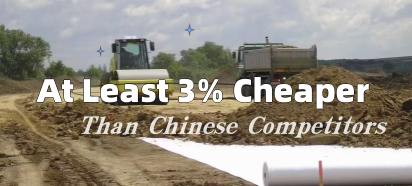
High-Density Polyethylene (HDPE) liners are essential components in industries such as waste management, agriculture, and mining due to their excellent durability, flexibility, and impermeability. As more businesses incorporate HDPE liners into their projects, understanding the factors influencing HDPE liner prices is critical for effective budgeting and decision-making.
Factors Influencing HDPE Liner Prices(Cost)
Material Thickness and Specifications
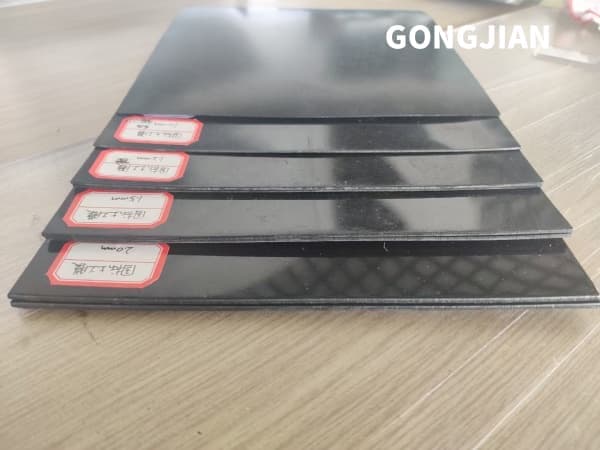
HDPE liners are available in various thicknesses, typically ranging from 0.5 mm to 3.0 mm. Thicker liners offer greater resistance to punctures and environmental stress, making them ideal for demanding applications. However, these also cost more, so selecting the right thickness based on project requirements is key to managing costs effectively.
Raw Material Costs
The price of HDPE liners is directly linked to the cost of polyethylene resin, their primary raw material. Resin prices fluctuate due to global oil price changes, supply chain conditions, and demand in the plastics market. These factors create a ripple effect that impacts liner costs.Manufacturing Processes
HDPE liners are manufactured through processes like extrusion or calendaring. Advanced production technologies often result in higher-quality liners with enhanced properties such as UV resistance and chemical durability. While these benefits justify the higher costs, simpler manufacturing techniques may be suitable for projects with less stringent requirements.

Logistics and Transportation
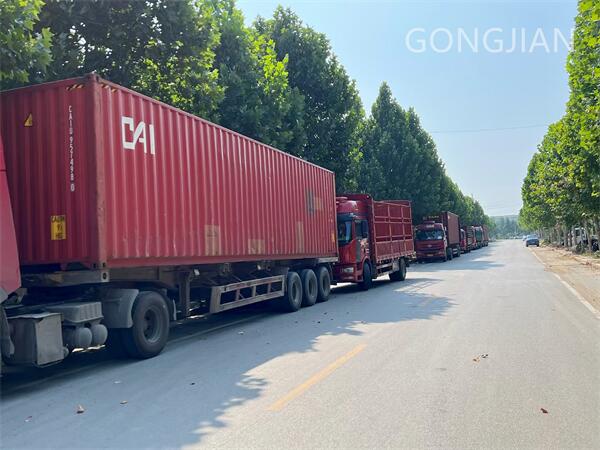
The geographical location of the supplier and buyer influences HDPE liner prices. Transportation costs, import tariffs, and regional taxes can increase prices significantly for international buyers. Businesses sourcing locally can often save on these additional costs.Customization and Additives
Standard HDPE liners are the most cost-effective option, but customized features like added UV resistance, specific colors, or enhanced chemical stability can increase the price. These customizations, however, often provide long-term savings in environments where standard liners may degrade quickly.
Regional Variations in HDPE Liner Pricing
The price of HDPE liners varies significantly across different regions due to market dynamics and demand.
Asia-Pacific: This region leads in HDPE liner production and consumption, driven by extensive industrial and agricultural activities. Competitive local manufacturing ensures lower prices compared to other markets.
North America and Europe: Strict environmental regulations increase demand for premium-quality HDPE liners, leading to higher costs.
Africa and Latin America: The rising need for infrastructure development and water management solutions boosts demand. However, limited local production often results in higher import and transportation costs.
Tips for Optimizing HDPE Liner Purchases
To maximize value and minimize costs, consider these strategies when purchasing HDPE liners:
Bulk Ordering: Purchasing in large quantities can lead to significant discounts and reduced shipping costs.
Local Sourcing: Opting for regional suppliers can help minimize logistical expenses.
Tailored Analysis: Evaluate project-specific needs to determine the most cost-effective liner specifications without overpaying for unnecessary features.
Supplier Comparison: Request quotes from multiple vendors to ensure competitive pricing and superior service.
Conclusion
Understanding the various factors that influence HDPE liner cost—such as material specifications, manufacturing techniques, and regional differences—empowers buyers to make informed decisions. Whether for agriculture, waste management, or industrial applications, selecting the right HDPE liner at the right price ensures project success and cost-efficiency.


