
Polyethylene Pond Liners in South Africa: A Solution for Efficient Water Retention
Case Study:
In South Africa, water scarcity is a significant issue, especially in the agricultural regions where irrigation is essential for crop production. One of the largest irrigation projects in the country, focused on water conservation for crop farming in the dry areas of the Western Cape, was looking for an efficient solution to prevent water loss. The project's objective was to build large water ponds for irrigation purposes, ensuring consistent water supply even in the hot and arid climate. The local climate, characterized by high temperatures and low rainfall, posed a considerable challenge in terms of maintaining water levels in these ponds.
The Challenge:
Before our polyethylene pond liners were selected, the project had been using traditional methods of pond construction, which led to significant water loss due to evaporation and seepage. The farmers in the region were struggling to maintain water levels for their crops, particularly during the dry season. The project managers realized that they needed a more reliable, cost-effective, and long-term solution to address these challenges.
After extensive research and discussions with different suppliers, the client found that polyethylene pond liners provided the best solution for their needs. The high-density polyethylene (HDPE) material offers excellent UV resistance, durability, and superior performance in extreme weather conditions—perfect for South Africa's harsh climate. Additionally, the ability of polyethylene pond liners to effectively prevent water leakage and reduce evaporation made it the best choice for long-term water conservation.
Application and Solution:
Our polyethylene(HDPE) pond liners were chosen because of their ability to withstand the extreme temperatures and direct sunlight that are common in South Africa. The material is not only UV-resistant but also highly resistant to tearing and punctures, which made it ideal for large-scale agricultural irrigation systems. Moreover, our team provided a tailored solution for the client by customizing the liners to fit the specific dimensions of the ponds, ensuring optimal water retention.
One of the main concerns of the client was the material's ability to perform under the intense sun exposure and high temperatures typically found in the Western Cape. We assured them of the liner's resilience by providing detailed performance data from other similar projects in hot climates. Additionally, we worked closely with the project team to ensure that the installation process would be seamless and efficient.
Negotiations and Agreement:
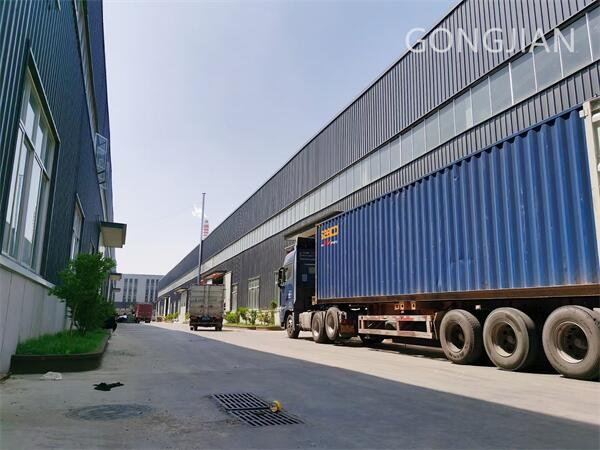
During the negotiation process, the client weighed multiple factors, including the cost, material durability, and installation support. After considering different suppliers, they decided to choose us over competitors due to our deep understanding of their unique needs and our ability to offer customized support. We agreed on an FOB (Free On Board) contract, which allowed the client to oversee shipping and delivery while benefiting from competitive pricing. Payment terms were arranged through T/T (Telegraphic Transfer), ensuring a secure and efficient transaction.
Throughout the negotiations, the client expressed concern about the long-term performance of the liners. They questioned whether the HDPE pond liners would be able to withstand the extreme seasonal shifts in temperature, which could affect the liner's integrity over time. Our technical team provided them with thorough explanations, addressing their concerns with data-backed evidence of the material's longevity and reliability in similar environments.
The Installation and Results:
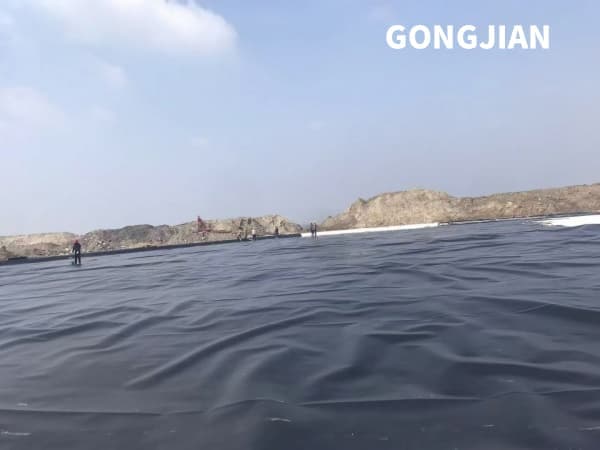
Once the polyethylene pond liners were delivered, the installation process was swift and efficient. The liners were installed in several large ponds designed to hold irrigation water for the farming operations. Within weeks of installation, the results were already evident: the water retention was significantly improved, and evaporation rates were drastically reduced.
The farmers noticed a dramatic improvement in water conservation, especially during the hot summer months. With the polyethylene pond liners in place, the ponds retained water for a longer period, which allowed the crops to receive consistent irrigation. The water loss was minimized, and the farmers experienced reduced costs for water procurement and maintenance.
Customer Feedback:
After the successful installation and usage of our polyethylene pond liners, the client expressed their satisfaction with the product and our support. They were impressed by the quality of the liners and how well they performed in the harsh South African climate. The liners exceeded the client's expectations, providing a sustainable solution for water retention.
The client also noted that the technical support provided by our team throughout the project was invaluable. From the initial consultation to installation and post-installation support, we helped the client every step of the way, ensuring that they were confident in their decision to use our product. The client's feedback highlighted our ability to provide a high-quality, cost-effective solution that directly addressed their water conservation challenges.
Conclusion:
This case in South Africa exemplifies the effectiveness of polyethylene pond liners for agricultural irrigation projects in arid regions. Our product proved to be the perfect solution for reducing water loss, improving irrigation efficiency, and ensuring sustainable farming practices in a region where water conservation is critical. The project has not only benefited the client but has also strengthened GONGJIAN's reputation as a trusted supplier of high-quality geomembranes worldwide.
Our polyethylene pond liners have helped farmers in South Africa optimize their water usage, lower operational costs, and increase crop yield. The success of this project further demonstrates the unparalleled performance and long-term durability of our products, which can withstand the most challenging environmental conditions.