

If you are building a pond or water feature and want to ensure its long-term stability and durability, choosing the right pond liner material is crucial. One of the top choices in the industry is the HDPE pond liner. HDPE, or High-Density Polyethylene, is a high-performance plastic material widely used for a range of applications, including pond construction. In this comprehensive guide, we’ll dive deeper into what makes HDPE pond liners so popular, their advantages, and why they are the preferred choice for both residential and commercial ponds.
What is HDPE?
HDPE (High-Density Polyethylene) is a thermoplastic polymer made from petroleum. It is known for its high strength-to-density ratio and exceptional resistance to a wide range of chemicals, extreme temperatures, and UV radiation. These characteristics make HDPE an excellent material for applications where strength, durability, and flexibility are crucial.
HDPE is typically used for pipelines, geomembranes, and liners due to its resistance to environmental stress cracking, low permeability to water, and ability to withstand exposure to harsh conditions. Its flexibility and adaptability make it an ideal material for pond liners, ensuring that it can handle temperature changes, shifting soil, and even pressure from water.
Key Benefits of HDPE Pond Liners
Durability and Longevity
HDPE pond liners are known for their incredible durability. They can last up to 30 years or more with proper maintenance. HDPE is resistant to punctures, tears, and general wear and tear, which makes it highly suitable for ponds that may be subject to fluctuating temperatures, wildlife, or mechanical stresses.
Waterproofing Excellence
A primary function of any pond liner is to prevent water from leaking out. HDPE pond liners are specifically designed to provide a waterproof seal, ensuring that water stays within the pond, preserving the ecosystem. Whether it's for a small decorative water garden or a large agricultural retention pond, HDPE liners excel at retaining water.
Resistance to UV and Chemical Exposure
HDPE is naturally UV-resistant, which means it won’t degrade under the sun’s exposure, unlike other materials such as PVC. This resistance makes HDPE pond liners a reliable long-term investment, as they won’t break down from prolonged exposure to sunlight. Additionally, HDPE is resistant to a variety of chemicals, including oils, acids, and bases, ensuring the liner remains intact even if your pond contains pollutants or chemicals.
Flexibility and Adaptability
HDPE pond liners are incredibly flexible, which makes them easier to install and more adaptable to irregularly shaped ponds. The flexibility allows the material to expand and contract with temperature changes without cracking, ensuring a longer-lasting installation.
Environmentally Friendly
HDPE is a 100% recyclable material, which makes it a more eco-friendly choice compared to other liners made from non-recyclable materials. If you're concerned about your environmental footprint, using HDPE pond liners is a responsible decision that helps reduce waste.
Cost-Effective Solution
While HDPE pond liners might come with a slightly higher initial cost compared to some alternatives like PVC or rubber liners, their long-term durability and minimal maintenance requirements make them a more cost-effective option over time. Their resilience to UV rays and chemicals, as well as their longer lifespan, make HDPE the better investment.
Common Applications of HDPE Pond Liners
HDPE pond liners are used in a wide variety of applications, from small backyard ponds to large-scale industrial and agricultural projects. Here are a few common uses:
Fish Ponds and Aquaculture
For anyone operating an ornamental fish pond or an aquaculture farm, maintaining a stable and healthy environment is crucial. HDPE pond liners prevent water from leaking out, ensuring that fish remain in a secure and consistent environment. Additionally, these liners help in maintaining the water quality by preventing contamination from surrounding soil.
Water Gardens
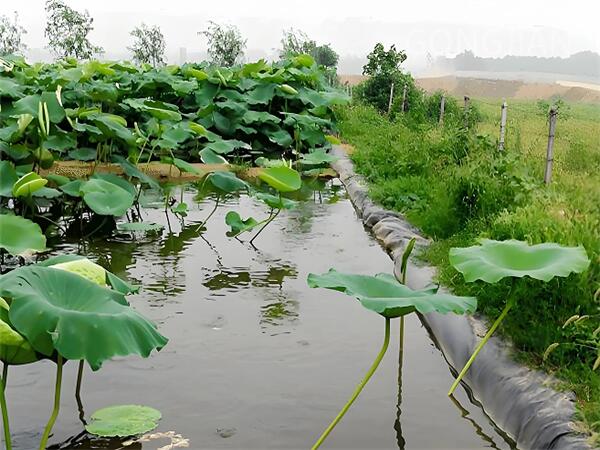
If you're creating a decorative water garden or a koi pond, HDPE is a popular choice. The material's ability to conform to irregular shapes makes it ideal for decorative landscaping features. HDPE also prevents any harmful substances from leaching into the water, ensuring the safety of aquatic plants and animals.
Retention and Stormwater Ponds
Retention ponds used for stormwater management benefit greatly from HDPE liners. These ponds are designed to hold water temporarily during rain events, and the impermeable nature of HDPE ensures that water does not seep into the ground, preserving the integrity of the surrounding area.
Wastewater Treatment Ponds
HDPE is also used in the construction of wastewater treatment ponds, where it acts as a barrier to prevent contaminants from leaching into the environment. HDPE's chemical resistance makes it ideal for these applications, as it can handle exposure to various wastewater chemicals without breaking down.
Why HDPE Pond Liners Are the Best Choice
While other pond liner materials, such as PVC and EPDM, are also available, HDPE tends to outperform them in several key areas:
Cost vs. Durability: While PVC may be cheaper upfront, it is less durable and can degrade over time due to UV exposure. HDPE offers a better balance of cost and long-term durability.
Chemical Resistance: Unlike EPDM, which can be damaged by exposure to oils or other chemicals, HDPE is highly resistant to most chemical substances, making it the better choice for ponds that may be subject to pollutants or harsh conditions.
Installation and Maintenance: HDPE liners are easier to install and require less maintenance compared to other materials. They are more flexible, which allows for easier handling during installation and reduces the risk of punctures.
Installing an HDPE Pond Liner
The installation of an HDPE pond liner involves several steps:
Preparation: Start by preparing the pond bed. Make sure it is smooth and free of any sharp objects like rocks or roots that could puncture the liner.
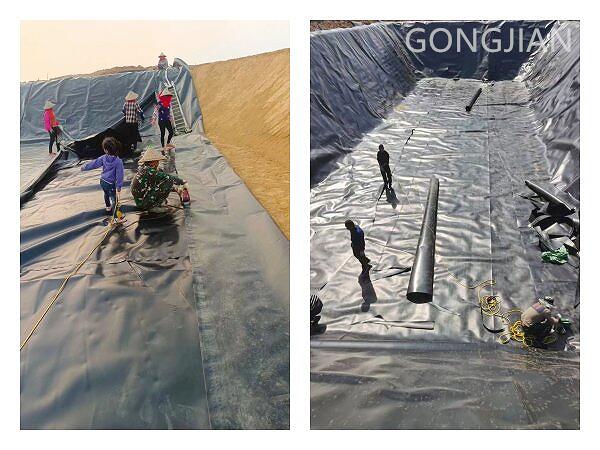
Liner Placement: Unroll the HDPE liner and lay it over the prepared surface. HDPE liners can be seamed together using welding techniques if necessary.
Securing the Liner: Once in place, secure the liner along the edges to prevent it from shifting. This can be done using anchor materials like gravel or sandbags.
Filling the Pond: After the liner is installed and secured, fill the pond with water slowly. Ensure that the liner adjusts and settles in place as the water level rises.
Maintenance Tips
While HDPE pond liners are low maintenance, it's essential to regularly check for punctures or damage. Inspect the liner after heavy storms or extreme weather to ensure its integrity is intact. If you notice any issues, repair the liner promptly to prevent further damage.
Conclusion
HDPE pond liners are an excellent choice for anyone looking to create a durable, waterproof, and eco-friendly pond. Their superior durability, flexibility, and resistance to UV and chemical exposure make them the top choice for residential and commercial pond applications alike. Whether you’re building a small fish pond, a decorative water feature, or a large-scale stormwater retention pond, HDPE pond liners provide a long-lasting and cost-effective solution. Choose HDPE for your next pond project, and enjoy the peace of mind that comes with knowing your pond will stand the test of time.
If you are looking for high-quality HDPE pond liners, GONGJIAN is your ideal manufacturer and export supplier. We offer a wide range of HDPE pond liners in various specifications to meet the needs of different customers. Feel free to contact us for more information about our products and custom solutions. As a professional HDPE pond liner supplier, we are committed to providing the highest quality products and services to our global customers.


