

HDPE membrane, also known as High-Density Polyethylene membrane, is a highly versatile and durable material widely used in various applications that require impermeable barriers. Renowned for its exceptional strength, chemical resistance, and environmental adaptability, HDPE membranes have become the go-to solution in industries ranging from construction and agriculture to environmental protection. In this article, we’ll explore the properties, benefits, and applications of HDPE membranes, and why they are the preferred choice for many projects.
What is an HDPE Membrane?
An HDPE membrane is a geomembrane made from high-density polyethylene, a thermoplastic polymer derived from petroleum. It serves as an impermeable liner or barrier, designed to prevent fluid or gas migration. Its superior mechanical properties, combined with its resistance to environmental stress, make it an essential component in applications requiring robust waterproofing or containment.
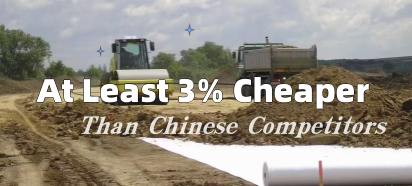
HDPE membranes are typically produced in rolls and come in various thicknesses and sizes, allowing for customization based on project requirements. Whether you’re building a landfill, a pond, or an underground structure, HDPE membranes provide reliable protection against leakage and contamination.

Key Benefits of HDPE Membranes
Exceptional Durability
HDPE membranes are designed to withstand extreme environmental conditions, including UV exposure, high temperatures, and mechanical stress. Their lifespan can extend beyond 30 years when properly installed and maintained.High Impermeability
One of the primary functions of an HDPE membrane is to create a seamless barrier that prevents the migration of liquids and gases. Its low permeability ensures effective containment for projects like waste management, water storage, and chemical containment.Chemical Resistance
HDPE is resistant to a wide range of chemicals, including acids, bases, and solvents. This property makes HDPE membranes ideal for applications in hazardous environments, such as chemical storage facilities and wastewater treatment plants.UV and Weather Resistance
Unlike many other materials, HDPE membranes resist degradation from prolonged exposure to UV rays and extreme weather conditions. This resilience ensures long-term performance even in outdoor applications.Flexibility and Adaptability
Despite their strength, HDPE membranes are flexible and can be adapted to irregular surfaces. This makes them suitable for projects with complex geometries, such as landfill caps or reservoirs.Eco-Friendly and Recyclable
HDPE is a recyclable material, which adds to its appeal for environmentally conscious projects. Using HDPE membranes helps reduce waste and promotes sustainable practices.
Common Applications of HDPE Membranes
Landfill Liners and Caps
HDPE membranes are extensively used in landfills to prevent leachate from contaminating the soil and groundwater. They also serve as caps to contain harmful gases, such as methane, and to stabilize the landfill structure.Pond and Reservoir Liners
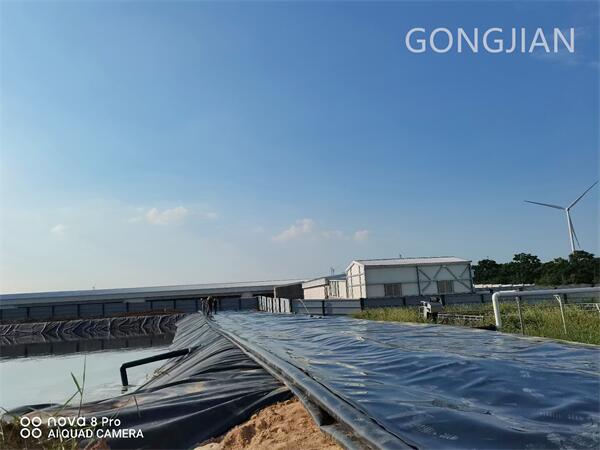
For water storage projects, HDPE membranes provide a waterproof barrier, ensuring that valuable resources like water and irrigation supplies are conserved without leakage.Mining and Industrial Applications
In mining, HDPE membranes are used to line tailings ponds, heap leach pads, and storage tanks. Their chemical resistance ensures safe containment of hazardous materials.Wastewater Treatment Plants
HDPE membranes are essential in wastewater treatment facilities to contain and prevent the leakage of harmful effluents. They help maintain environmental integrity and comply with regulatory standards.Tunnel Waterproofing
For underground structures such as tunnels and basements, HDPE membranes act as a waterproof layer to protect against water ingress and structural damage.
HDPE Membranes vs. Other Materials
When compared to alternative materials like PVC and EPDM, HDPE membranes stand out in several key aspects:
Longevity: HDPE membranes offer superior durability and resistance to wear and tear.
Chemical Resistance: They outperform other materials in resisting aggressive chemicals and pollutants.
Cost-Effectiveness: Despite the slightly higher upfront cost, their long lifespan and low maintenance make HDPE membranes a more economical choice over time.
Installation and Maintenance
Proper installation of an HDPE membrane is critical to its performance. The process typically involves:
Surface Preparation: Ensure the substrate is smooth and free of debris that could puncture the membrane.
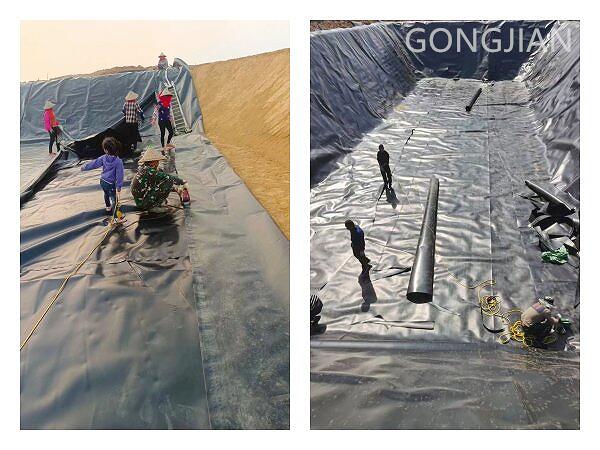
Laying and Seaming: Unroll the membrane and use specialized welding techniques to create seamless joints.
Securing the Edges: Anchor the membrane edges to prevent shifting or lifting due to external forces.
Routine inspections and timely repairs are recommended to maintain the integrity of the HDPE membrane throughout its service life.
Conclusion
HDPE membranes are an indispensable solution for projects that require reliable, durable, and environmentally friendly containment or waterproofing. Their unparalleled performance across diverse applications, from landfill management to water conservation, makes them the top choice for industries worldwide.


