


Geogrid Uniaxial vs. Biaxial: Understanding the Key Differences Between Uniaxial Geogrid and Biaxial Geogrid
Introduction:When choosing the right geogrid for your construction or civil engineering project, understanding the differences between uniaxial geogrid and biaxial geogrid is crucial. These two types of geogrids serve distinct purposes, and selecting the appropriate one can significantly impact the stability, durability, and cost-effectiveness of your project. This article explores the fundamental differences between uniaxial and biaxial geogrids, their applications, advantages, and key considerations for international buyers seeking to make informed purchasing decisions.
What are Geogrids?
Geogrids are geosynthetic materials primarily used in civil engineering and construction projects for reinforcement purposes. They are made of polymer materials such as polyester, polyethylene, or polypropylene, designed to increase the load-bearing capacity of soil, prevent erosion, and stabilize foundations. Geogrids are often used in roads, embankments, retaining walls, and other infrastructure where enhanced soil strength and stability are required.
Geogrids come in different forms, with uniaxial and biaxial being the most common types. Let's explore the characteristics and uses of each.
Uniaxial Geogrid: Features and Benefits
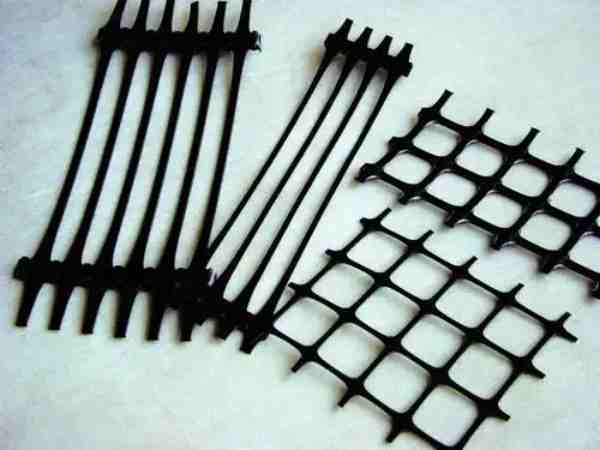
Uniaxial geogrid, also known as single-direction geogrid, is designed to provide high tensile strength in one direction. The grid's reinforcing structure is oriented to bear loads primarily along one axis, making it ideal for applications where forces are predominantly applied in a single direction.
Key Features of Uniaxial Geogrid:
High Tensile Strength in One Direction: The primary strength of uniaxial geogrids lies in their ability to handle significant loads in one direction, which is ideal for steep embankments and retaining walls where forces are concentrated along a single plane.
Strong Soil Reinforcement: Uniaxial geogrids are often used to improve the stability of steep slopes, preventing soil movement, erosion, and ensuring the longevity of structures built on the soil.
Durability: They are highly durable and resistant to UV degradation, making them suitable for long-term outdoor applications.
Common Applications:
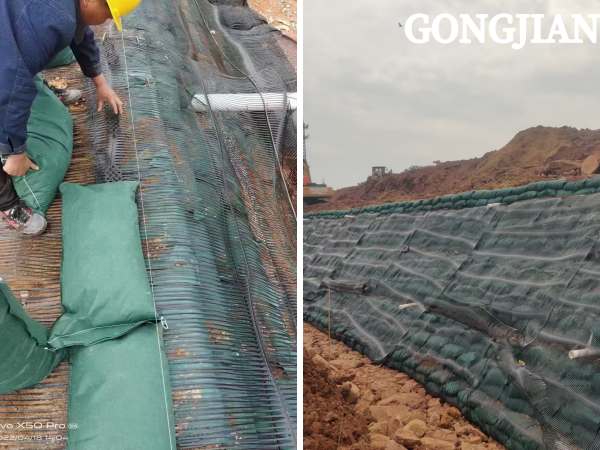
Retaining Walls: Uniaxial geogrids are extensively used in the construction of retaining walls, especially in heavy-duty applications, where the wall must support significant lateral forces.
Steep Slopes: They are used to reinforce slopes, preventing soil erosion and providing long-term stability for embankments.
Road and Pavement Construction: Uniaxial geogrids help in reinforcing the subgrade of roads and highways, especially in areas with weak or soft soil conditions.
Biaxial Geogrid: Features and Benefits
Biaxial geogrid, as the name suggests, offers tensile strength in both directions. The grid’s reinforcing structure is designed to provide uniform strength, distributing loads evenly across two axes. This makes biaxial geogrids a versatile option for applications where forces are applied in multiple directions.
Key Features of Biaxial Geogrid:
Tensile Strength in Two Directions: Biaxial geogrids provide reinforcement in both horizontal and vertical directions, offering a balanced approach to load distribution.
Enhanced Soil Stabilization: These geogrids improve soil structure by creating interlock with the soil particles in two directions, resulting in better overall soil stabilization.
Versatility in Applications: Due to their two-way strength, biaxial geogrids can be used in a wider range of applications than uniaxial geogrids, including projects with less specific directional load requirements.
Common Applications:
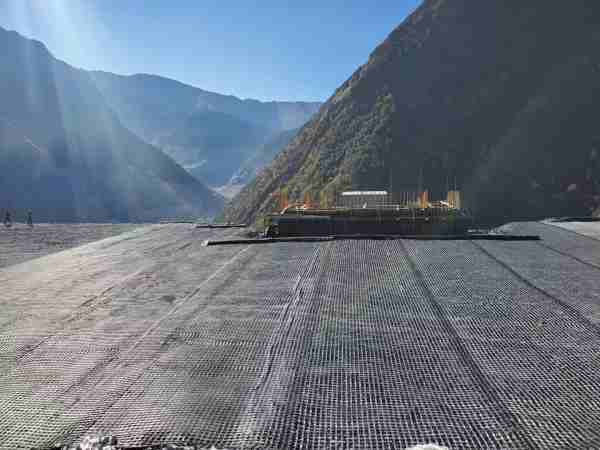
Pavement Reinforcement: Biaxial geogrids are widely used in road construction to reinforce the sub-base and improve the overall performance of the pavement.
Base Stabilization: They are commonly used to stabilize the base of various infrastructure projects, including parking lots, railways, and airports.
Reinforced Soil Slopes: Biaxial geogrids provide soil reinforcement in projects involving mild to moderate slopes, offering additional strength and stability.
Key Differences Between Uniaxial and Biaxial Geogrids
| Characteristic | Uniaxial Geogrid | Biaxial Geogrid |
|---|---|---|
| Tensile Strength | High strength in one direction | Strength in both directions |
| Primary Function | Load-bearing in one direction | Load distribution in two directions |
| Applications | Steep slopes, retaining walls, road reinforcement | Pavement, base stabilization, mild slopes |
| Material Durability | High resistance to UV and chemical degradation | High durability, UV resistant |
| Cost-Effectiveness | More expensive for specific applications | More versatile and cost-effective for various applications |
Which One Should You Choose?
The decision to choose uniaxial or biaxial geogrid depends on your project’s specific needs. If your project involves heavy, unidirectional loads such as steep embankments or retaining walls, uniaxial geogrids are your best choice due to their superior strength in one direction. However, for applications requiring reinforcement in multiple directions—such as pavement construction or general soil stabilization—biaxial geogrids offer a more flexible, cost-effective solution.
Factors to Consider When Choosing Geogrids:
Load Requirements: Assess the primary load direction in your project and choose a geogrid that can handle those stresses.
Environmental Conditions: Consider factors such as exposure to UV light, chemical exposure, and soil conditions to ensure you select a geogrid with suitable durability.
Project Scope and Budget: Uniaxial geogrids tend to be more expensive due to their high tensile strength, whereas biaxial geogrids may offer better value for a wider range of applications.
Conclusion
Both uniaxial and biaxial geogrids have their unique strengths and applications. Understanding the differences between these two types of geogrids is essential for making the right choice for your project. Whether you're reinforcing steep slopes, building retaining walls, or stabilizing pavement, the proper geogrid will ensure the stability and durability of your infrastructure. By considering factors such as load requirements, environmental conditions, and budget, international buyers can make informed decisions when sourcing geogrids for their projects.
For further assistance in selecting the right geogrid, feel free to reach out to us. Our team of experts is ready to help guide you through your purchase process and ensure you find the best solution for your needs.


